
Lieferung heute & morgen

Qualitätsgarantie

Willkommens-Angebote freischalten: KOSTENLOSE Lieferung | Bis zu 80 % RABATT | Kostenlose 30-Tage-JoyPlus-Testphase
App herunterladen
A Bialetti moka pot, often called a stovetop espresso maker or caffettiera, is the epitome of authentic Italian coffee culture for many. The iconic octagonal design and the gentle gurgle on the stove promise an unparalleled aroma. However, the purchasing process has several pitfalls that can quickly lead to disappointment. Before you make a decision, you should know the most common mistakes buyers make—and how to avoid them.
The three most common purchasing mistakes stem from misunderstandings about size, stovetop compatibility, and material. Many users buy a pot that doesn't work on their induction hob, or are disappointed by the small coffee volume because they misinterpreted the "cup size." Another problem is improper care, which can quickly render aluminium models unusable.
To ensure your new Italian coffee maker meets your expectations and provides years of enjoyment, three technical specifications are of central importance.
The choice of material directly impacts which stovetop you can use your moka pot on.
One of the biggest sources of confusion is the interpretation of cup size. The "3-cup" or "6-cup" specification refers to small, Italian espresso cups with a capacity of about 40–50 ml per cup, not standard coffee mugs.
Consider how much coffee you typically brew before buying. For a single person who drinks a standard cup of coffee, a Bialetti 3-cup model is often the right choice. For two or more people, a Bialetti 6-cup model is recommended.
Proper cleaning is crucial for the taste and lifespan of your moka pot. Aluminium models must never be put in the dishwasher. The harsh detergents attack the material, leading to discolouration and a potential metallic taste in the coffee. Simply rinse the pot with clear, warm water after use and let it dry completely before screwing it back together. Gaskets and filters are consumable parts and should be replaced as needed to ensure optimal performance.
Here are some recommendations tailored to different needs and kitchen setups.
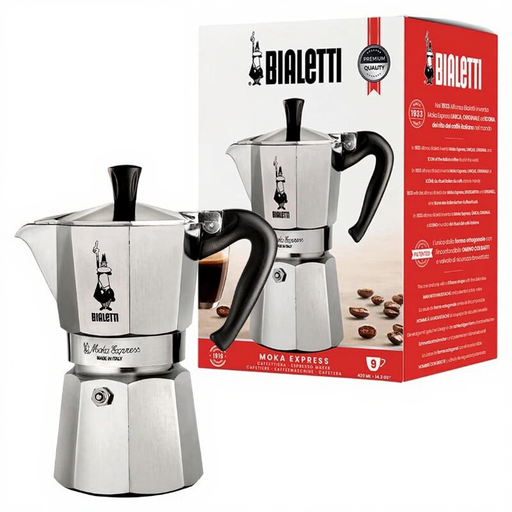
Why it's a great fit: This model is the epitome of the Italian coffee maker. It is ideal for coffee lovers who appreciate the authentic ritual and taste and own a classic gas or electric stove. The 3-cup size (approx. 130 ml) is perfect for one person.
The clear "for 3 cups" specification and its suitability only for classic stovetops prevent the most common mistakes regarding size and induction incompatibility.
Iconic design, proven since 1933, made of lightweight aluminium for a characteristic coffee brewing experience. Made in Italy.
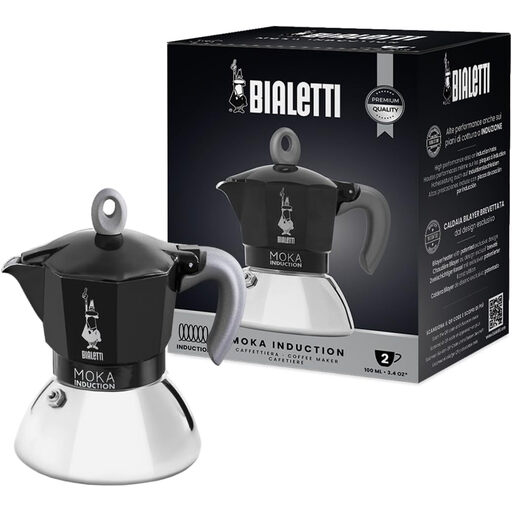
Why it's a great fit: This model was specifically designed for use on all types of hobs, including induction. It combines the classic design of the upper chamber with a modern, induction-ready stainless steel boiler.
Directly solves the compatibility problem by being suitable for all hob types. No risk of a mistaken purchase for induction hob owners.
The bi-layer technology of stainless steel and aluminium ensures efficient heat distribution on induction hobs while preserving the classic moka flavour.
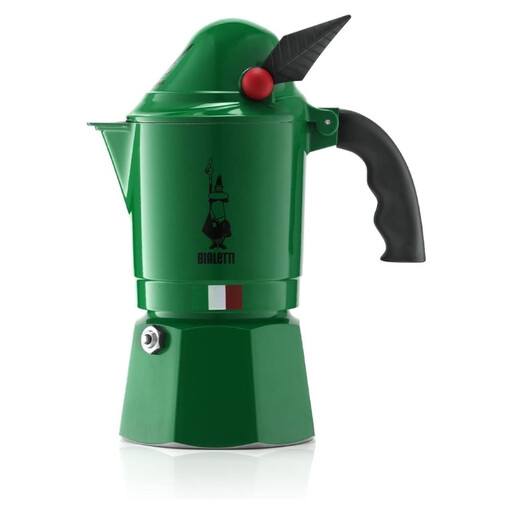
Why it's a great fit: The Alpina model is a tribute to the Italian Alpini troops and a true eye-catcher. It combines the proven Moka Express technology with a unique design reminiscent of an Alpini hat. Perfect for anyone looking for a functional collector's item.
Although it's a design object, it's based on the standard Moka Express technology. Paying attention to the size and hob type specifications (not for induction without an adapter plate) is just as crucial here.
A unique, award-winning design that tells a story and acts as a statement piece in any kitchen, all while brewing excellent coffee.
We have compiled a complete, up-to-date list of products that fully meet these strict selection criteria and safety regulations.
Cleaning is simple but crucial. After the pot has cooled, unscrew it and thoroughly rinse all parts—the boiler, filter funnel, and upper chamber—with warm water. Do not use detergents or abrasive sponges, as these can attack the protective patina inside the pot and damage the aluminium. Let all parts air dry completely before reassembling the pot.
For a moka pot, a medium grind is ideal. The coffee should be slightly coarser than for a portafilter espresso machine but finer than for a drip coffee maker. A grind that is too fine can clog the filter and lead to over-extraction, making the coffee taste bitter. Fill the filter funnel loosely and level it off without tamping the coffee grounds down.
A bitter taste can have several causes. The most common are: