
Lieferung heute & morgen

Qualitätsgarantie

Willkommens-Angebote freischalten: KOSTENLOSE Lieferung | Bis zu 80 % RABATT | Kostenlose 30-Tage-JoyPlus-Testphase
App herunterladen
A body cream should leave dry skin feeling smoother, reduce tightness and be pleasant to use every day. However, the choice ranges from lightweight body lotion and rich body butter to specialist care for stretch marks or a firmer-feeling complexion. If you focus only on fragrance, packaging or bold efficacy claims, it is easy to buy a product that does not really meet your needs.
This buying guide explains which details are genuinely important when choosing a body cream, how textures differ and which products suit different skin types and usage profiles.
A fragranced body cream can make moisturising more enjoyable, but on its own, fragrance says little about how well the product hydrates your skin. Fragrance ingredients such as parfum, limonene or linalool may be undesirable for sensitive or reactive skin. Check the INCI list and decide whether you prioritise a pleasant fragrance experience or a formula with as few additional ingredients as possible.
A very rich cream for very dry skin can be useful on elbows, knees and heels. After a morning shower, however, many people prefer a fast-absorbing body lotion that does not leave residue on clothing. Texture and absorption are therefore practical buying criteria, not just marketing terms.
Terms such as firming body cream, anti-cellulite cream or stretch mark cream describe a cosmetic focus, but do not promise a permanent change to your body. What matters are clear details about ingredients, use, skin type and safety information. During pregnancy or breastfeeding, pay particular attention to product-specific warnings.
Glycerine, hyaluronic acid and panthenol help to bind or support the skin’s moisture levels. Shea butter, oils, squalane and certain lipids can also promote a soft, supple skin feel. Ceramides are often used in products designed to support the skin barrier. An ingredient’s position in the INCI list provides a rough indication of its concentration, but does not replace checking how your skin responds individually.
With body care for dry skin, it is also important to consider whether the cream leaves a protective film. Mineral oils, silicones and rich fats can improve the skin feel, while lightweight lotions are often more comfortable on larger areas of the body.
A 400 ml body cream is suitable for regular application over the whole body and may be more economical per use than a small jar. By contrast, 150 to 200 ml is practical if you want to try a product first or take it travelling. Body butter is generally more compact and richer, while lotion is usually easier to spread.
If you moisturise daily, you should also consider how easy the product is to dispense. Pump bottles allow for quick, hygienic application. Jars give you access to a firmer texture, but require you to scoop the product out with your hands.
For body cream for sensitive skin, details such as “fragrance-free”, “without colourants” or “dermatologically tested” can be useful points of reference. However, they do not guarantee that a product will suit everyone. Test a new product on a small area of skin first and do not apply it to broken or severely irritated skin. If irritation persists, stop using the product and seek medical advice.
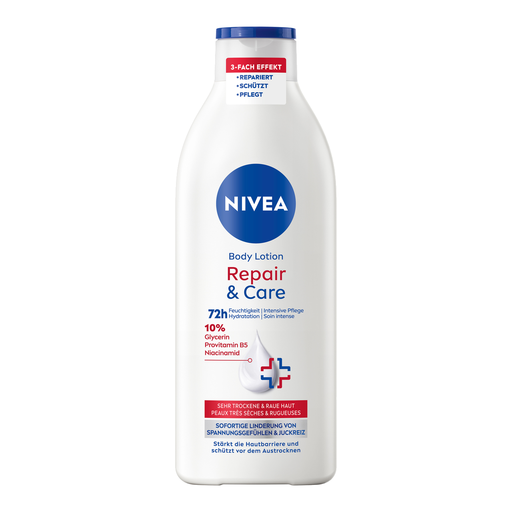
Why this product suits this profile: The 400 ml size is suitable for regular body care. According to the product description, the lotion contains 10% glycerine as well as provitamin B5 and niacinamide, and is intended for very dry, rough skin.
The product details clearly specify the ingredients, quantity and how to use it, rather than highlighting only a general skincare benefit.
Large size, a fast-absorbing lotion according to the manufacturer, and dermatologically tested skin compatibility.
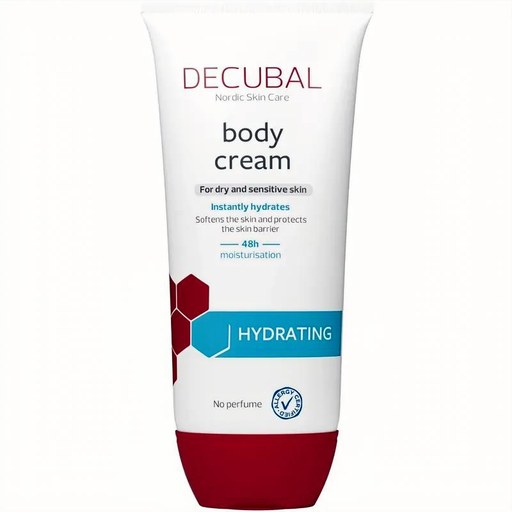
Why this product suits this profile: According to the product description, this dermatological body care product is intended for dry, very dry and sensitive skin. It is formulated without fragrance, colourants or parabens.
Leaving out fragrance and colourants makes choosing easier when sensory additives are not wanted. Even so, the INCI list is still worth checking.
Fragrance-free formula, 200 ml contents and nourishing ingredients such as glycerine, rapeseed oil and shea butter, according to the product details.
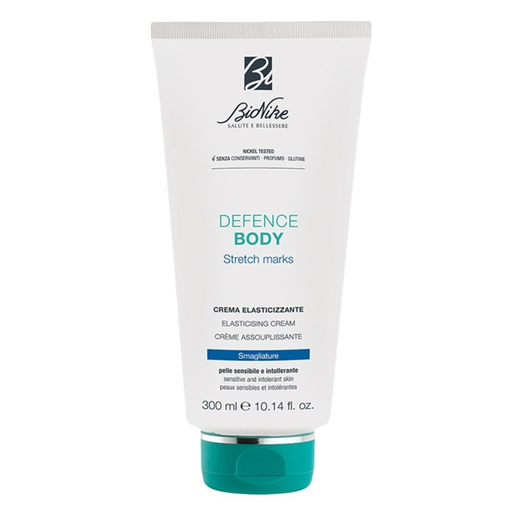
Why this product suits this profile: This product is designed to care for skin with stretch marks. According to the product description, it is fragrance-free, contains no preservatives and is intended for use twice a day.
The intended use and target group are clearly stated. This helps you distinguish specialist stretch mark care from a general body lotion.
300 ml contents, a fragrance-free formula and details of vitamin E, panthenol and almond oil.
We have put together a complete, regularly updated list of products that fully meet these strict selection criteria and the safety regulations applicable in the EU.
Body lotion is usually lighter and can be spread quickly over large areas. Body cream or body butter often has a richer texture and is more suitable for dry, rough areas. The right choice depends on your skin’s condition, the time of year and how quickly you want the product to absorb.
If you have dry skin, applying body cream daily after showering is a practical routine. If your skin is less dry, you can use it as needed. The important thing is to choose a product your skin tolerates and use it regularly, rather than applying a large amount only occasionally.
Check the PAO symbol, such as “12M”, along with the information on the packaging. If the smell, colour or consistency changes noticeably, stop using the product. Store body care products somewhere dry and cool, away from direct sunlight.