
Lieferung heute & morgen

Qualitätsgarantie

Willkommens-Angebote freischalten: KOSTENLOSE Lieferung | Bis zu 80 % RABATT | Kostenlose 30-Tage-JoyPlus-Testphase
App herunterladen
Recreating authentic Chinese cuisine at home can often seem like a challenge. The key to restaurant-quality dishes frequently lies in complex sauces and spice blends. Chinese seasoning pastes promise a simple solution. But the market is overwhelming, and not every product lives up to its packaging. Many home cooks invest in pastes that end up tasting bland or are unsuitable for their desired dish.
This guide will help you avoid the common pitfalls. We'll show you what to look for when making your selection to find the right ready-made Chinese seasoning for your culinary project and cook authentic Chinese food.
Before you purchase Asian cooking ingredients online, you should be aware of the three most common problems that lead to unsatisfying results:
To avoid these problems, you should check two key criteria before buying. These will help you objectively assess the quality and suitability of a seasoning paste.
The most important source of information is always the ingredient list. It reveals whether a paste has the potential for an authentic flavour profile. Look for specific ingredients typical of the respective regional cuisine:
Ready-made Chinese seasonings can be divided into two categories. The choice depends on how much effort you want to put in:
Here are some recommendations tailored to different needs and cooking styles.
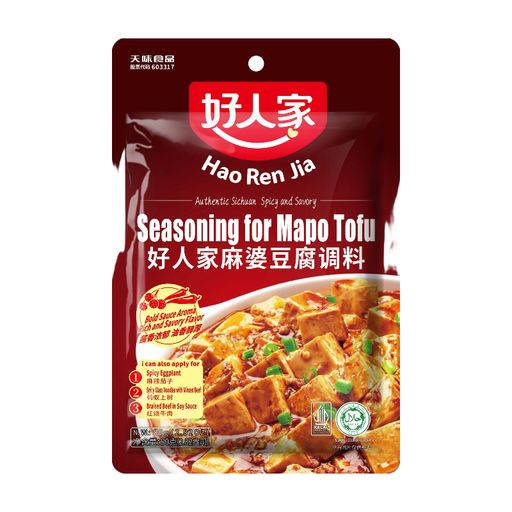
Why This Fits Their Persona: Ideal for anyone who wants to prepare the Sichuan classic Mapo Tofu at home, easily and authentically. It's an all-in-one solution that takes the guesswork out of seasoning.
This product is a complete seasoning kit. It bypasses the trap of incomplete mixes and delivers a genuine mala flavour profile, thanks to ingredients like Sichuan peppercorns and fermented bean paste.
Significantly simplifies the preparation of a complex dish. Provides a reliable, classic flavour result for an authentic Mapo Tofu paste.
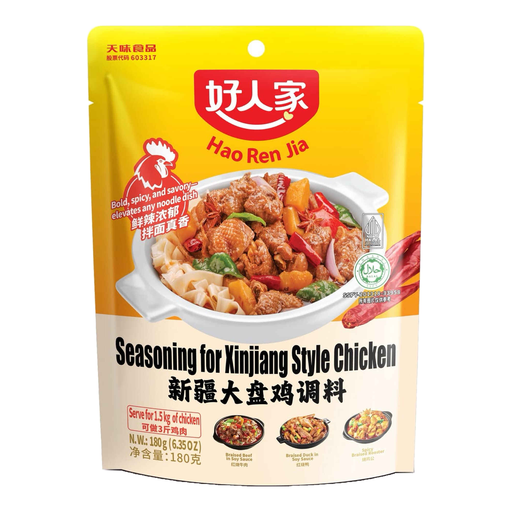
Why This Fits Their Persona: Perfect for cooks looking to venture beyond Sichuan and discover another, equally popular regional Chinese cuisine. This seasoning is the base for the famous "Dapanji" (Big Plate Chicken) dish.
The declaration of Pixian bean paste (≥20%) and specific spices guarantees a deep, savoury flavour that goes far beyond a generic "chicken seasoning," capturing the authentic taste of Xinjiang.
Enables the easy preparation of a specific, regional dish. The paste provides a complex flavour base for a hearty braised dish with chicken and potatoes.
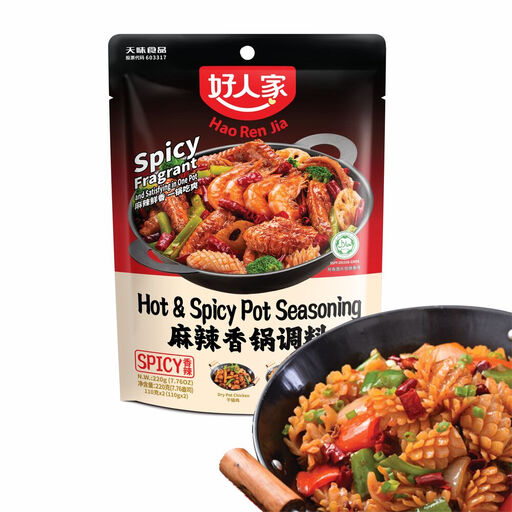
Why This Fits Their Persona: For anyone looking for a versatile seasoning paste for quick stir-fry dishes. "Mala Dry Pot" (Mala Xiang Guo) is a dish where any ingredients (meat, vegetables, tofu) are fried in a spicy sauce.
This paste delivers the complete, multi-layered mala seasoning for the "dry pot" style. The declared proportions of chilli (≥5%) and Sichuan peppercorns (≥1%) ensure the authentic, numbing-hot flavour.
Extremely versatile for quick stir-fries. Works with almost all proteins and vegetables, making it ideal for using up leftovers or for spontaneous meal ideas.
We've compiled a complete, up-to-date list of products that meet these strict selection criteria and quality standards.
1. How do I properly store opened Chinese seasoning pastes? Most seasoning pastes are based on oil, salt, and fermented ingredients, which makes them relatively shelf-stable. Unopened, they should be stored in a cool, dry place away from direct sunlight. After opening, it is advisable to seal the package tightly and store it in the refrigerator. Pay attention to the instructions on the packaging, as the shelf life can vary after opening.
2. Are ready-made Chinese seasonings very spicy? The level of heat varies significantly depending on the dish and region. Products from Sichuan, Hunan, or Chongqing tend to be very spicy. Look for terms like "Mala" (numbing-hot), "Spicy," or chilli symbols on the packaging. The ingredient list also provides clues: if chilli is listed near the top, expect a higher level of heat. Pastes for Cantonese or Shanghainese dishes, on the other hand, are usually milder and often have a sweet and savoury profile.
3. Can I use these pastes for vegetarian dishes? Many pastes are naturally vegetarian or can be easily adapted. A Mapo Tofu paste, for example, can be used with mushrooms instead of minced meat. Seasoning bases for "Boiled Fish" or "Mala Dry Pot" are also excellent for tofu, lotus root, potatoes, and other vegetables. However, always check the ingredient list for non-vegetarian components like lard or oyster sauce if you wish to avoid them.