
当日/次日达

品质保障

开启新人专享福利: 全场免邮 | 低至 2 折 | 免费试用 30 天 JoyPlus 会员
下载 Joybuy
If you want to buy coffee online, you'll quickly find a huge selection: instant coffee, 3-in-1 coffee, coffee beans, ground coffee, coffee pods and ready-to-drink specialities. The product names often look similar, but they differ significantly in ingredients, preparation, caffeine content, pack size and storage.
To make sure your purchase isn't a mistake, it's worth taking a close look at the details on the product page and packaging. Three marketing pitfalls in particular often lead to unnecessary spending:
The right coffee format depends on the equipment you have and your daily routine:
For Vietnamese coffee, the preparation method is also important. A traditional Phin filter works more slowly than a pour-over filter. Drip bags, on the other hand, are ideal for the office, travel or small kitchens.
The ingredients list shows whether a product suits your preferences. For decaffeinated coffee, the label should clearly state “entkoffeiniert” or “decaffeinated”. “Mild” does not automatically mean caffeine-free.
With 3-in-1 coffee, sugar can make up the largest proportion. For example, Trung Nguyen G7 3-in-1 combines sugar, non-dairy coffee whitener and soluble coffee. The product information also indicates the presence of milk ingredients. If you want to reduce your sugar intake, you should consider a pure instant coffee or an unsweetened Americano instead.
It's also worth comparing ready-to-drink varieties per 100 millilitres. A black Americano can contain significantly less sugar and fewer calories than a sweetened latte or caramel drink. If you have allergies, always refer to the information on the specific packaging.
Don't just compare the pack price – compare the price per 100 grams, per serving or per can. Individual sticks offer precise dosing and protect the powder until you open them. A 1 kg bag of coffee beans makes more sense for heavy drinkers than for occasional coffee lovers.
Once opened, coffee products should be stored in a cool, dry place away from direct sunlight. Beans and ground coffee should be kept as airtight as possible. Ready-to-drink products should be refrigerated after opening and consumed promptly.
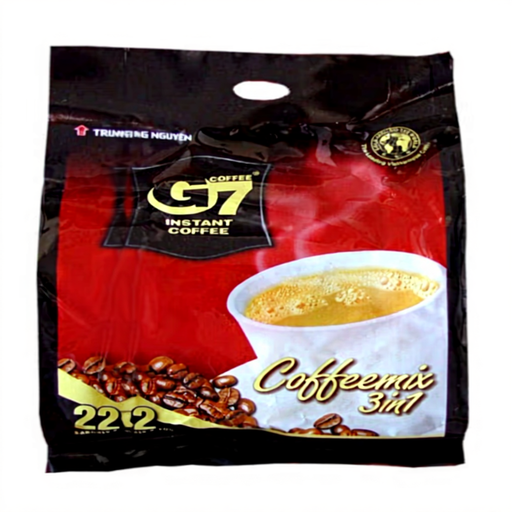
Why this product fits the profile: The 22 individual portions are designed for the office, home or on the go. Around 75 ml of hot water is recommended per stick.
The portion size and ingredients list make it clear that this is a sweetened coffee blend, not pure instant coffee.
22 sachets of 16 g each; coffee, coffee whitener and sugar are already pre-portioned.
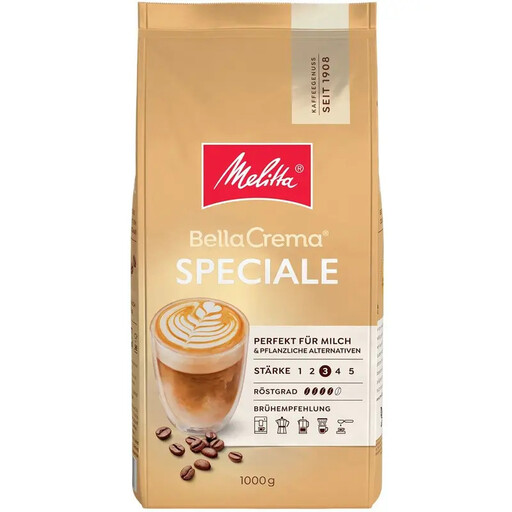
Why this product fits the profile: The Arabica beans are intended for bean-to-cup machines and can be freshly ground to your preferred strength.
The product description states the bean type, the intended machine system and a specific recommendation for use after opening.
1 kg content; roasted Arabica beans; suitable for coffee, cappuccino and latte macchiato.
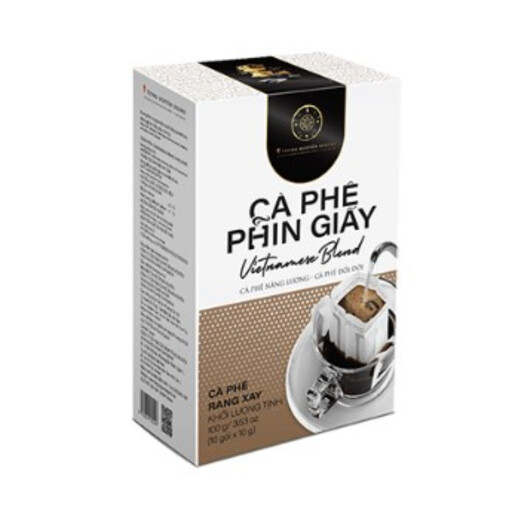
Why this product fits the profile: Ten individually wrapped drip bags make it easy to prepare Vietnamese coffee in the office, while travelling or without your own coffee machine.
The individual packaging limits exposure to air and makes portioning straightforward. The recommended brewing volume of 100 to 130 ml is stated.
10 drip bags of 10 g each; Arabica and Robusta blend; prepared with hot water, no separate coffee grinder needed.
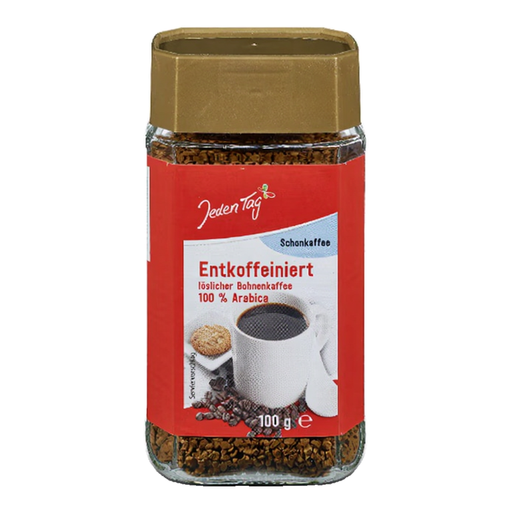
Why this product fits the profile: The labelling as decaffeinated instant coffee is aimed at those looking for a caffeine-free or reduced-caffeine alternative.
The product features clearly state “decaffeinated” and “100 % Arabica” rather than just advertising a mild taste.
100 g glass; freeze-dried instant coffee; according to the product information, free from the listed main allergens.
We've put together a complete, regularly updated list of products that fully meet these strict selection criteria and the safety regulations in force in the EU.
Instant coffee and 3-in-1 coffee only need a cup and hot water. For a stronger taste without sugar or coffee whitener, pure instant coffee is the better choice. Drip bags offer an alternative with filter preparation, without needing a coffee grinder.
It depends on the product type and packaging. For many instant coffees, it's recommended to seal the jar or bag tightly and use the contents within a few weeks. Coffee beans and ground coffee should be stored in a cool, dark, airtight place. Always refer to the specific best-before date and the manufacturer's instructions on the packaging.
A price comparison per 100 millilitres shows the cost of the drink, but doesn't account for preparation time. Cans and bottles are convenient for on the go, whereas beans, ground coffee or coffee pods are usually easier to portion at home. For sweetened varieties, you should also factor in the sugar and milk content when comparing.