
当日/次日达

品质保障

开启新人专享福利: 全场免邮 | 低至 2 折 | 免费试用 30 天 JoyPlus 会员
下载 Joybuy
Anyone looking to buy milk powder and condensed milk online will quickly find a wide range of brands, pack sizes and varieties. However, the differences are not limited to price. Important factors include fat content, sugar content, preparation method, packaging and shelf life after opening.
Particularly with bulk packs or international products, unsuitable quantities, the wrong type of sweetening or overlooked allergens can lead to unnecessary expense. This buying guide explains what families, coffee lovers, home bakers and stock-up shoppers should look out for.
Depending on the product, “condensed milk” may refer to unsweetened, concentrated milk or sweetened condensed milk. For coffee, savoury dishes and many sauces, an unsweetened variety is usually the more obvious choice. Sweetened products such as Nestlé Milkmaid, on the other hand, are better suited to desserts, sweet treats and certain baking recipes.
Checking the ingredients list can help you avoid buying the wrong product: if sugar appears near the top of the list, or the stated sugar content is, for example, 55 g per 100 g, it is a distinctly sweet preparation.
A box containing several tins of milk powder may initially appear economical. However, it is only worthwhile if your household will use the quantity within the stated storage and consumption periods. When buying a bulk pack of milk powder, consider the storage space required, the best-before date and the recommended usage period after opening.
For Nestlé Nido, for example, the product information recommends storing an opened tin tightly sealed and using the powder within three weeks. The instructions on the individual packaging should always take priority.
Milk powder is not automatically suitable for every age group. Peak Milk Powder specifically states that it is not intended for feeding infants under twelve months old. Buyers should therefore check the product’s intended use, ingredients, allergens and preparation instructions rather than relying solely on general marketing claims.
For whole milk powder, the stated values for the products considered here are approximately 28.2 g of fat per 100 g. Peak Milk Powder additionally lists vitamins A and D3 in its product description, while Nido Milk Powder is stated to contain around 25.7 g of protein per 100 g, among other nutritional information. These are product details and do not indicate any medical or therapeutic effect.
Among the condensed milk products available, fat content ranges from approximately 4% to 10%:
The right quantity depends on how you intend to use it:
When comparing prices, do not look only at the price per tin. Consider the unit price per 100 g or per litre of prepared milk. With milk powder, it is also important to check how much powder the instructions recommend for one glass. Nido, for example, specifies 32.5 g of powder with 225 ml of water to make 250 ml of prepared milk.
Unopened tins and cartons of milk powder are generally stored in a cool, dry place protected from direct sunlight. After opening, the packaging should be tightly sealed. Moisture can affect the powder’s dosing and usability.
Condensed milk in a drinks carton or tin can be stored unopened, but must be refrigerated after opening. The recommended time varies by product: Jeden Tag states that various varieties should be used within approximately three to five days, while Nestlé Milkmaid should be used within three days after being transferred to a suitable, non-metallic, sealable container. The specific information on the packaging takes precedence.
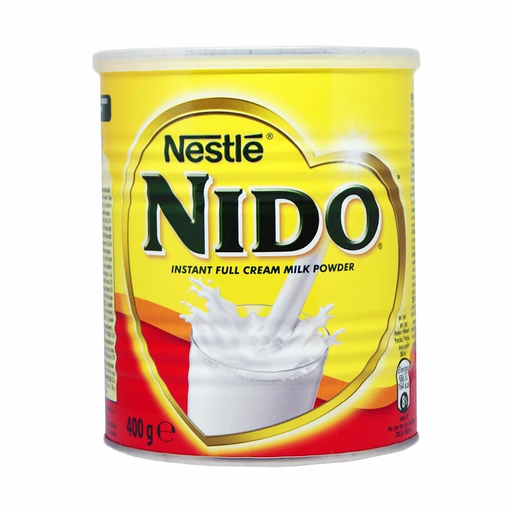
Why this product suits this profile: The 400 g tin offers an accessible introduction to whole milk powder without requiring you to buy a bulk pack straight away. It is suitable for drinks, coffee, as well as simple cooking and baking applications.
The smaller pack reduces the risk of buying more powder than can be used within the recommended period after opening. The ingredients and allergens are clearly stated.
400 g content; according to the product information, made with whole milk powder and soya lecithin as an emulsifier.
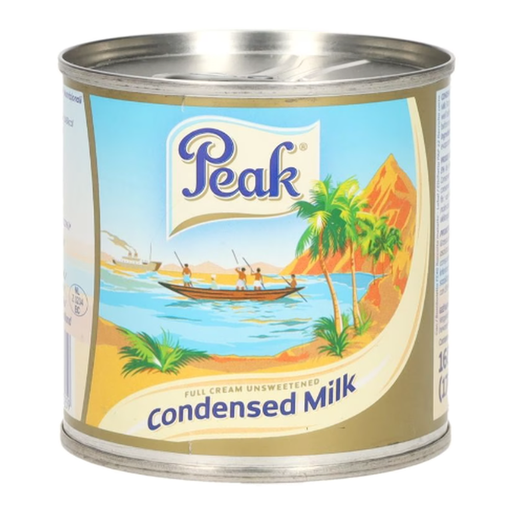
Why this product suits this profile: This unsweetened condensed milk is appealing to buyers who want to control the sugar content of their drinks or recipes themselves.
The “unsweetened” label prevents confusion with sweetened condensed milk. The compact 170 ml pack is well suited to individual uses.
8.5 g of fat and 6.9 g of protein per 100 ml according to the product information; listed as containing vitamin D3.
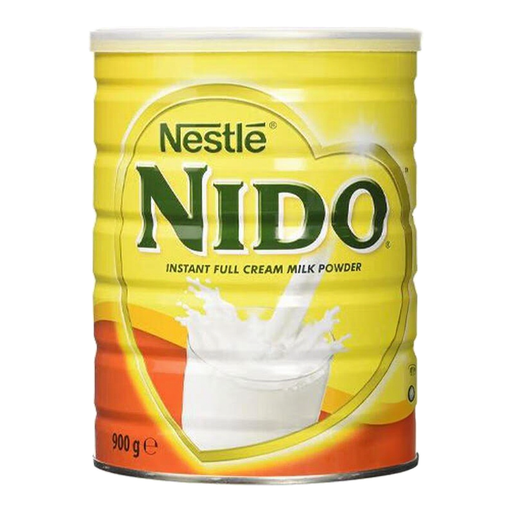
Why this product suits this profile: The stock-up pack of twelve 900 g tins is aimed at households with regular, predictable consumption, for example for drinks, baking recipes and everyday cooking.
The individual tins can be opened one after another. This means the entire stock does not have to be exposed to the air at the same time; however, storage space and consumption should still be planned in advance.
Twelve separate 900 g tins; according to the product information, 25.7 g of protein per 100 g.
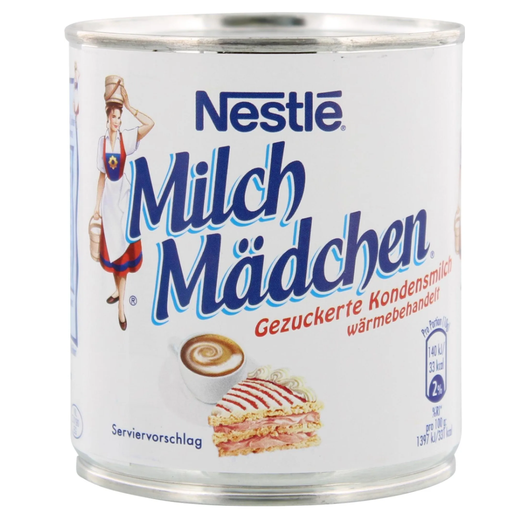
Why this product suits this profile: This sweetened condensed milk is designed for sweet coffee variations, desserts and baking recipes where milk and sugar are used together.
The product name clearly states that it is sweetened. With 55 g of sugar per 100 g, it should not be confused with unsweetened tinned milk.
397 g content; ingredients according to the product information: 55% whole milk and 45% sugar.
We have put together a complete, regularly updated list of products that fully meet these strict selection criteria and the safety regulations applicable in the EU.
This depends on the product. Some product information recommends using opened Nido tins within three weeks. Dry storage, a tightly sealed container and the specific manufacturer’s instructions on the packaging are all important.
Unsweetened or lightly sweetened varieties can be used in coffee. The fat content affects the creaminess. Jeden Tag, for example, offers varieties with 4%, 7.5% and 10% fat. If you want to control the amount of sugar in your coffee yourself, choose unsweetened condensed milk.
A fair comparison should be based on the unit price and the actual quantity of prepared milk. You also need to take the amount of powder, the quantity of water required, delivery costs and consumption into account. A bulk pack may reduce the price per item, but it is only economical if your household uses it up as planned.