
当日/次日达

品质保障

开启新人专享福利: 全场免邮 | 低至 2 折 | 免费试用 30 天 JoyPlus 会员
下载 Joybuy
Anyone looking to buy salt and spices online will quickly find a wide range of options: fine table salt, iodised salt, herb salt, sea salt with pepper, barbecue seasoning and international spice blends. However, product names do not always tell you as much as they might at first glance. The key factors when choosing the right product are the ingredients list, salt content, pack size and intended use.
A bulk pack of salt can make sense for catering businesses, barbecue enthusiasts or households with high consumption. However, if you only use it occasionally, there is a risk that the flavours will lose their intensity after opening or that the product will absorb moisture. The important factors are therefore not just the price per kilogram, but also how much you expect to use and how the product will be stored.
Salt often makes up a significant proportion of a spice blend. Examples from the product information include 50.9 g of salt per 100 g in Weimen Salt & Pepper Seasoning and 74 g per 100 g in Kotányi Roast Chicken Seasoned Salt. If you want to reduce your salt intake, compare the nutrition table and ingredients list directly rather than relying solely on terms such as “flavourful” or “spicy”.
Lemon pepper and herb salt are not always free from additional ingredients. For example, Kotányi Lemon Pepper Seasoning Blend contains wheat in the breadcrumbs it includes. Reduced-salt soy sauce may contain soy and wheat, among other ingredients. Before buying, check the allergens, additives and whether the product is suitable for a vegetarian or vegan diet.
With pure table salt or iodised salt, the ingredients list is usually short. The longer a spice blend is, the more important it becomes to check each ingredient. Look out for:
A product called Sichuan Pepper Salt, for example, delivers a distinctive pepper flavour with a slight numbing sensation. It is suitable for Asian dishes, fried foods and dry spice blends, but it will not replace neutral salt in every recipe.
For everyday use, 400 to 500 g can be a manageable quantity. A bulk pack of salt containing around one kilogram or more is better suited to frequent users, barbecue groups, large families and professional kitchens. Seasoned salts containing delicate herbs or citrus flavours should be stored in an airtight container after opening, in a dry place away from direct sunlight.
A salt shaker allows you to season food quickly at the table. An integrated grinder, on the other hand, lets you freshly grind sea salt with pepper or lemon-and-salt blends over your dishes. Check whether the container can be refilled and whether the opening is large enough for coarse crystals. For powdered blends, a tightly sealed container is important, as moisture can affect how freely the mixture pours.
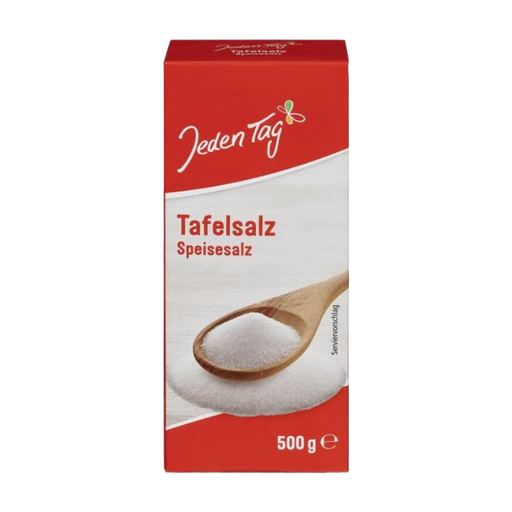
Why this product suits this profile: This fine-grain table salt is designed for cooking, baking and everyday seasoning. The 500-g pack is a manageable size for many households.
The ingredients list is short: refined salt and an anti-caking agent. This makes it clear that the product contains no additional spice blend.
500 g contents, fine grains and versatile use for cooking, baking and seasoning.
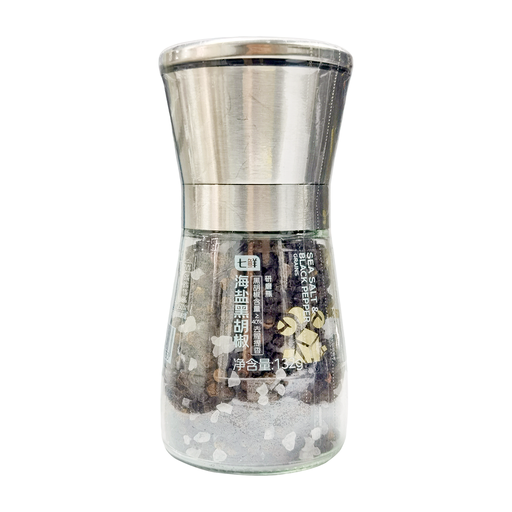
Why this product suits this profile: This blend combines sea salt and black pepper, with an integrated grinder for seasoning dishes directly at the table.
The stated quantities specify at least 40% sea salt and at least 40% black pepper. Nevertheless, the actual salt content of 63 g per 100 g should be taken into account.
Grinder container with 132 g contents; suitable for steaks, roasted vegetables, salads, omelettes and barbecue dishes.
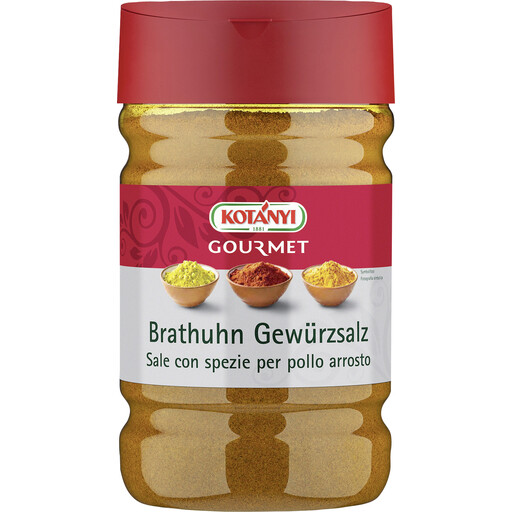
Why this product suits this profile: The 1,248-g pack is designed for frequent seasoning of meat, vegetables, barbecue dishes and stews, as well as for larger kitchens.
The ingredients are listed clearly: iodised salt, paprika, corn starch, garlic, pepper, marjoram and rosemary. This makes it easy to use the blend for specific purposes.
Large pack of iodised table salt with several herbs and spices; salt content 74 g per 100 g.
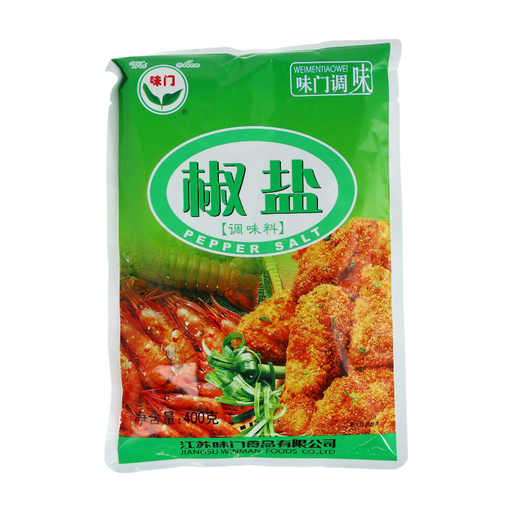
Why this product suits this profile: Sichuan pepper, fennel, orange peel and sugar complement the salt and are intended for fried foods, noodles, meat or tofu.
The complete ingredients list includes E621 and flavourings in addition to Sichuan pepper and salt. The salt content of 50.9 g per 100 g should be factored into how much you use.
400-g format for regular use; dry seasoning blend for sprinkling, marinating and seasoning before cooking.
We have put together a complete, regularly updated list of products that fully meet these strict selection criteria and the safety regulations applicable in the EU.
For classic everyday seasoning, iodised salt and fine table salt are good choices. If you prefer herbal flavours, you can buy herb salt while checking the proportion of herbs and any potential allergens, such as celery. For meat dishes, seasoned salt for roasts or barbecue seasoning may be suitable. With fish, potatoes and vegetables, lemon pepper or sea salt with pepper are possible alternatives.
For Asian recipes, Sichuan pepper salt, pepper salt and reduced-salt soy sauce are worth considering. AYUKO Soy Sauce less salt contains 11.9 g of salt per 100 ml, according to the product information. It also contains wheat and soy and is suitable for vegetarian and vegan diets according to the product details. “Less salt” should therefore always be understood in relation to the usual quantity used and the specific product being compared.
Pure salt can be used for a long time when stored in a dry, sealed container. Spice blends should be assessed according to the best-before date printed on the packaging, as well as their smell, colour and ability to pour freely. The manufacturer’s information on the packaging is authoritative.
Store seasoned salt in a cool, dry place away from light. After opening, the lid should close tightly. Do not place a salt shaker directly over a steaming saucepan, as moisture can cause the salt to clump.
Not necessarily. Compare the price per kilogram, the ingredients and how long you expect the product to last. A bulk pack can be practical for catering and frequent users; for speciality blends used only occasionally, a smaller pack is often easier to manage.