
Lieferung heute & morgen

Qualitätsgarantie

Willkommens-Angebote freischalten: KOSTENLOSE Lieferung | Bis zu 80 % RABATT | Kostenlose 30-Tage-JoyPlus-Testphase
App herunterladen
By Joybuy Product Recommendation Officer, August 28, 2026
The selection of tofu at the supermarket or online can be overwhelming. From silken soft to extra-firm, smoked or fermented—each type has a specific use. Grabbing the wrong package often leads to disappointment in the kitchen: the tofu falls apart in the pan, or the soup doesn't turn out creamy. Before you buy tofu, it's helpful to know the common pitfalls to avoid a bad purchase.
A common pitfall is choosing the wrong texture for your intended dish. For example, anyone who tries to pan-fry silken tofu will find that it falls apart due to its high water content. Another point is the ingredients list. Some products contain unnecessary additives or flavour enhancers alongside the basic ingredients of soybeans, water, and a coagulant, which not every consumer wants.
To find the right tofu, two criteria are crucial: its firmness and how it's processed. These factors determine how the tofu will behave during cooking and which dishes it's best suited for.
The texture of tofu depends on its water content. The more water that is pressed out during production, the firmer the final product becomes.
Beyond classic plain tofu, there is a wide range of processed and refined varieties that play an important role, especially in Asian cuisine.
To make the choice easier, we have put together some products for specific profiles and needs.
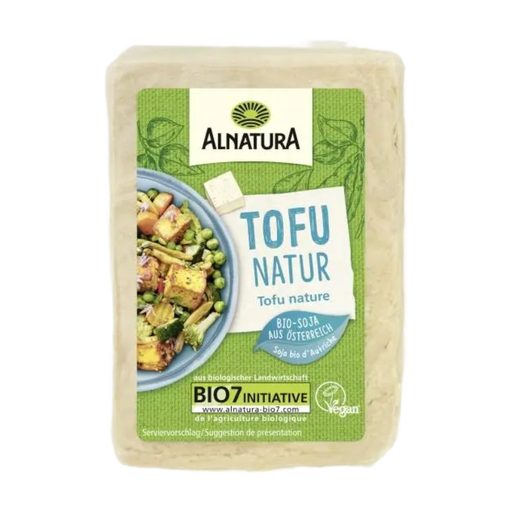
Why This Fits Their Persona: Ideal for anyone looking for a versatile and straightforward tofu for daily cooking. Thanks to its firm texture and shelf-stable nature, it's a convenient pantry staple for spontaneous dishes like curries or stir-fries.
The clear labeling as a firm, plain tofu prevents the mistake of buying it for dishes where it might crumble. The ingredient list is short and, according to the manufacturer, consists of soybeans from organic farming, which excludes unnecessary additives.
Long shelf life without refrigeration; versatile; soybeans from Austrian organic farming.
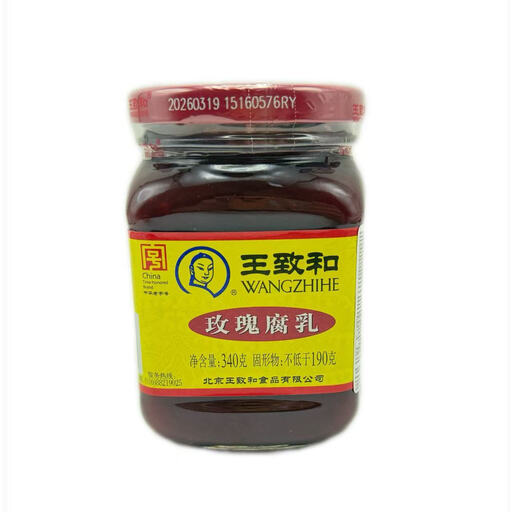
Why This Fits Their Persona: For cooks who seek the authentic taste of Chinese cuisine and want to enhance their dishes with a complex umami note. This product is a seasoning agent, not a main tofu dish.
This product clarifies the role of fermented tofu as a seasoning. It prevents the misconception that it can be used in large quantities like plain tofu, which would result in an overly salty and intense flavor.
Traditional manufacturing process by the Wang Zhi He brand; adds a unique, floral-savory depth to dishes; versatile as a marinade or seasoning paste.
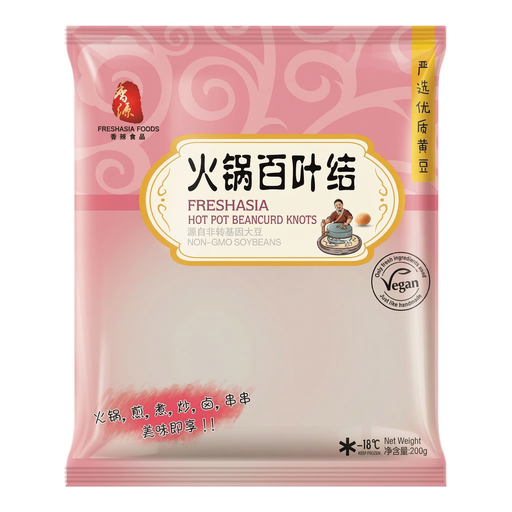
Why This Fits Their Persona: Specifically for fans of Asian hot pot. These beancurd knots are designed to optimally absorb the broth while retaining their pleasant, chewy texture.
Solves the problem where regular firm tofu, while not disintegrating in the hot pot, absorbs the broth's flavor very slowly. The knotted shape maximizes surface area, ensuring an intense flavor experience.
Holds its shape even during long cooking times; absorbs broth and flavors very well; chewy yet tender texture.
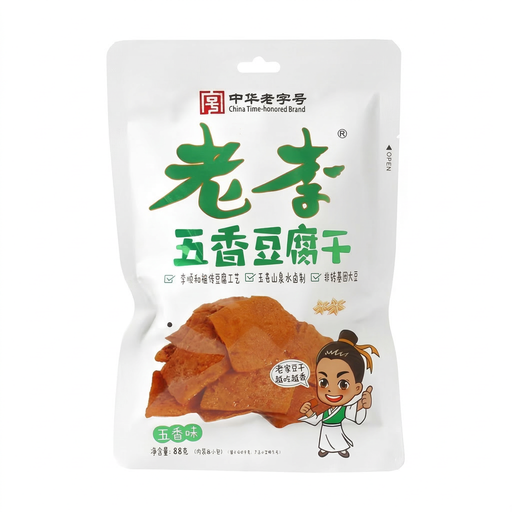
Why This Fits Their Persona: Perfect for people looking for a high-protein, plant-based, and ready-to-eat snack for work, school, or travel. No preparation required.
This product shows that tofu doesn't always require elaborate preparation. It bypasses the pitfall of viewing tofu only as a raw ingredient and offers a convenient, ready-to-eat solution.
Ready-to-eat and has a long shelf life; savory flavor from a five-spice blend; convenient portion size.
We've compiled a complete, up-to-date list of products that fully meet these strict selection criteria and local regulations.
Opened tofu that isn't used completely should be stored in an airtight container. Cover it completely with fresh, cold water and place it in the refrigerator. To maintain freshness, the water should be changed daily. This way, the tofu will typically last for two to three days.
Pressing tofu is especially recommended for firm tofu and extra-firm tofu if you want it to get crispy. Removing excess water allows the tofu to brown better and absorb marinades more effectively. Silken tofu should never be pressed, as it would disintegrate. To press, you can wrap the tofu block in clean kitchen towels and weigh it down with a heavy object (e.g., a book or a pan) for about 30 minutes.
Although both are made from soybeans, they differ in their production process and texture. Tofu is created by coagulating soy milk, which is then pressed into blocks. Tofu skin, also known as yuba, is the thin film that forms on the surface of heated soy milk. This skin is skimmed off and usually sold in dried form as sheets or sticks. It has a chewier, more elastic texture than tofu.