
Lieferung heute & morgen

Qualitätsgarantie

Willkommens-Angebote freischalten: KOSTENLOSE Lieferung | Bis zu 80 % RABATT | Kostenlose 30-Tage-JoyPlus-Testphase
App herunterladen
Anyone diving into the world of soju quickly discovers that the selection is vast. From traditional clear varieties to a wide array of fruit-flavoured sojus, the choice can be overwhelming. Many who are buying soju for the first time are guided by colourful labels or marketing promises, which often leads to disappointment. This guide will help you avoid the common pitfalls and make an informed choice that suits your taste and occasion.
Before you order soju online, it's helpful to know the most common issues that can detract from the experience.
To make the right choice, you should focus on a few objective characteristics rather than being swayed by the packaging.
The first and most important decision is between classic and flavoured soju.
The alcohol content is a direct indicator of the soju's intensity and character.
To make your decision easier, we have compiled a few products for different profiles and occasions.
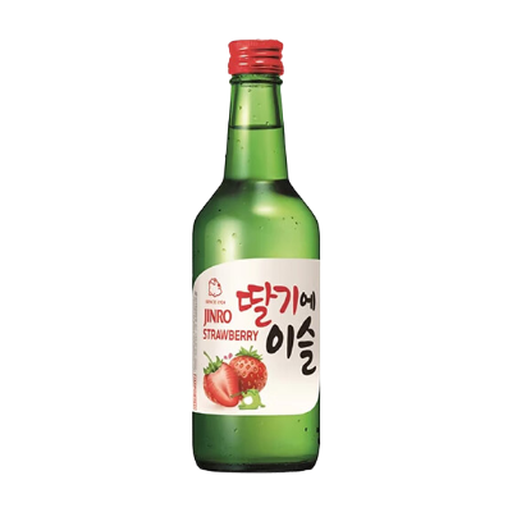
Why This Fits Their Persona: Ideal for anyone trying soju for the first time. The sweet and familiar strawberry flavour, combined with the low alcohol content, makes for a straightforward and pleasant introduction. Perfect for a relaxed evening or as a base for a simple cocktail.
Jinro is a global leading brand known for its balanced flavours. The strawberry taste is present but not overly artificial or sugary, thus avoiding the "overly sweet" fruit soju pitfall.
A very approachable flavour profile and a low ABV of 13% make it easy to drink. The base is the smooth Chamisul Soju, which indicates a high underlying quality.
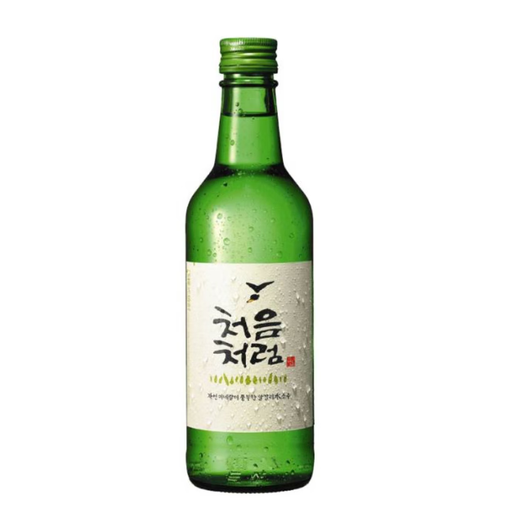
Why This Fits Their Persona: Anyone looking for a soju to pair with spicy and complex dishes like Kimchi-jjigae or Korean BBQ needs a variety that cleanses the palate rather than overpowering it. Chum Churum Original is an excellent choice for this purpose.
As a classic, unflavoured soju, it completely bypasses the trap of artificial sweetness. It focuses on the essentials: a clean, smooth taste that highlights the quality of the distillation.
According to the manufacturer, alkaline water is used, which results in a particularly smooth and round mouthfeel. The 16.5% ABV is present but well-integrated.
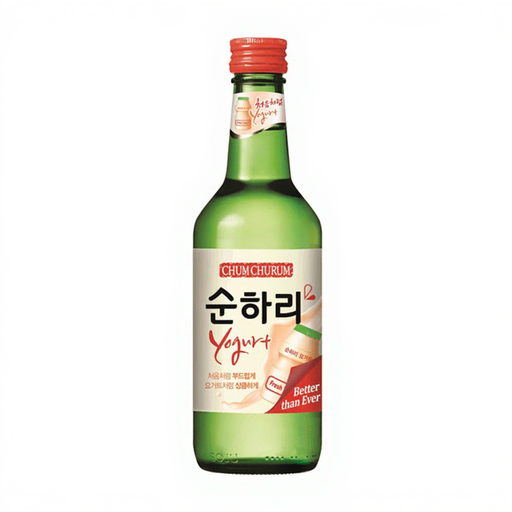
Why This Fits Their Persona: For social gatherings that call for something new and surprising. The flavour is reminiscent of popular Korean yogurt drinks and is a real conversation starter. It's creamy, sweet, and different from typical fruit sojus.
This product doesn't try to imitate a natural fruit flavour. It delivers exactly what it promises: a sweet, creamy yogurt taste. Expectations are clear, which prevents disappointment.
Unique and distinctive flavour profile. The mild 12% ABV makes it very easy-drinking and ideal for parties. Contains milk, according to the manufacturer.
We've compiled a complete, up-to-date list of products that fully meet these strict selection criteria and current regulations.
Traditionally, soju is served chilled and drunk neat from small glasses (soju glasses). In Korea, it is customary not to pour for yourself but to have your glass filled by someone else at the table. Fruit soju is also served chilled and neat but can also be used as a mixer with soda water, tonic, or lemonade.
Although both are often mentioned in the same context, they are fundamentally different. Soju is a distilled spirit from Korea, made from rice, barley, sweet potatoes, or tapioca. Sake is a brewed rice wine from Japan, and its production process is more similar to that of beer. Soju generally has a higher alcohol content and a cleaner, more neutral taste, while sake often has more complex, fruity, or umami notes.
An opened bottle of soju should be tightly resealed and stored in the refrigerator. Due to its alcohol content, it doesn't spoil in the traditional sense, but flavoured soju varieties in particular can lose their flavour intensity. It is recommended to consume an opened bottle within a few weeks to ensure the best taste experience.