
Lieferung heute & morgen

Qualitätsgarantie

Willkommens-Angebote freischalten: KOSTENLOSE Lieferung | Bis zu 80 % RABATT | Kostenlose 30-Tage-JoyPlus-Testphase
App herunterladen
Soju has evolved from a Korean national drink into a global phenomenon, winning over an ever-growing number of fans. Whether enjoyed neat, as part of a Korean meal, or as a base for cocktails, its characteristic green bottle has become a familiar sight. However, when buying soju, there are several pitfalls that can spoil the experience. Many products on the market differ significantly in quality, taste, and alcohol content.
This guide will help you identify the key characteristics and make an informed decision. We'll highlight the most common mistakes people make when buying soju and show you what to look for to find the right Korean alcohol for your palate.
To avoid disappointment, you should check three key aspects before ordering soju online. These will help you objectively assess the product's quality and character.
The base of the soju has a significant impact on its flavour and smoothness.
The alcohol content is a direct indicator of the soju's style and intended use.
It's worth taking a look at the ingredients list, especially for the popular fruit varieties. The type of flavouring and sweetening largely determines the taste experience. Some manufacturers use fruit extracts or juices, while others rely on artificial flavours and sweeteners like fructose, stevia, or sucralose. This is not a direct indicator of quality, but a matter of personal preference. Those who prefer a more natural fruit taste should look for products containing real juice.
Based on the criteria above, we have selected a few products for different user profiles.
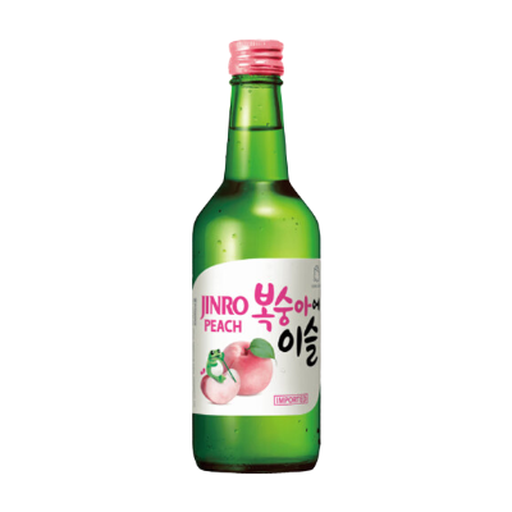
Why This Fits Their Persona: Ideal for beginners or for social gatherings that call for a light, easy-drinking beverage. The sweet and aromatic peach flavour makes it very approachable and perfect for parties or as a complement to spicy food.
The alcohol content of 13% ABV is clearly stated and fits perfectly into the category of light, flavoured sojus. You are consciously buying a sweet, fruity drink, not a classic, strong soju.
A balanced, sweet peach flavour that doesn't taste artificial. As a product from Jinro, one of the most famous soju brands, it offers reliable quality.
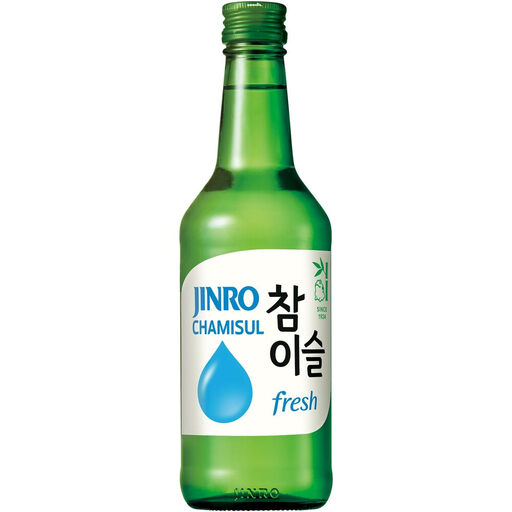
Why This Fits Their Persona: For those who seek the pure, unadulterated taste of soju or need a versatile base for cocktails. This soju is a modern classic in Korea and is known for its clean, smooth character.
This product is clearly positioned as a "Fresh" soju, not an overly sweet fruit version. The alcohol content of 16.5% ABV is moderate, making it an all-rounder that is neither too weak nor too strong.
Thanks to multiple filtrations through bamboo charcoal, the taste is exceptionally pure and smooth. It is versatile: enjoy it neat, on the rocks, or as a neutral base in mixed drinks.
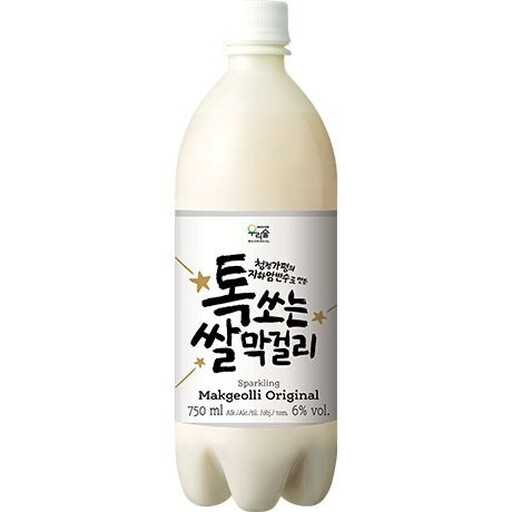
Why This Fits Their Persona: For anyone looking beyond soju and wanting to try another traditional Korean rice wine. Makgeolli offers a completely different taste experience: milky-cloudy, slightly sparkling, and sweet-sour.
Anyone looking to buy Makgeolli is specifically seeking an alternative to soju. This product prevents confusion, as it is visually and tastefully distinct from the clear spirit, soju. The low alcohol content of 6% ABV is typical for makgeolli.
Offers an authentic, traditional drinking experience. Its milky texture and slightly sweet taste make it an ideal companion for hearty Korean dishes like Pajeon (pancakes) or Kimchi.
We have compiled a complete, up-to-date list of products that fully meet these strict selection criteria and local regulations.
Traditionally, soju is served well-chilled in small, special soju glasses. It is usually drunk neat, often in social settings. When pouring, it is customary to hold the glass of an older or higher-ranking person with both hands. Fruity soju varieties are also popular with ice or as a mixed drink with sparkling water or lemonade.
Although both are popular Korean alcoholic beverages, they are fundamentally different. Soju is a clear, distilled spirit, similar to vodka but with a lower alcohol content and a slightly sweet taste. Makgeolli, on the other hand, is an unfiltered, fermented Korean rice wine. It is milky-cloudy, has a slightly viscous consistency, is often lightly carbonated, and has a much lower alcohol content of around 6-8%.
Since soju is a distilled spirit, it doesn't spoil in the traditional sense. After opening, the bottle should be tightly sealed and stored in the refrigerator to maintain its freshness. While classic soju can last for months, flavoured varieties may lose their taste intensity over time. It is recommended to consume them within a few weeks to ensure the best flavour experience.