
Lieferung heute & morgen

Qualitätsgarantie

Willkommens-Angebote freischalten: KOSTENLOSE Lieferung | Bis zu 80 % RABATT | Kostenlose 30-Tage-JoyPlus-Testphase
App herunterladen
Canned vegetables are a convenient solution for quick meals and a solid foundation for any pantry. They offer a long shelf life, ensuring a variety of vegetables are on hand even when they're out of season. However, when buying canned vegetables, there are several pitfalls that can turn your purchase into a disappointment. From hidden sugars to misleading fill weights, those who don't look closely often pay more for lower quality.
This guide will help you separate the wheat from the chaff. We'll show you the key features to look for to make an informed purchasing decision and find a product that meets your standards for taste, nutritional value, and value for money.
Before you stock your pantry, you should be aware of the typical marketing traps and product flaws that often only become apparent after opening the can or jar.
To avoid these mistakes, a careful look at the label is all it takes. The following three parameters are decisive when selecting high-quality, shelf-stable vegetables.
A short and clear ingredients list is usually a good sign. Ideally, the contents should consist only of the vegetable itself, water, and salt. Pay attention to the following points:
The drained weight indicates how many grams of the vegetable are actually in the container after the liquid has been poured off. This information is legally required and is usually found near the ingredients list. Compare this value between different products to determine the true value for money. This is especially important when you're stocking up on shelf-stable vegetables for your pantry and are focused on a good cost-benefit ratio.
Both types of packaging have their pros and cons, which should be weighed based on your intended use and personal preference.
Different products are suited for different requirements. Here are some recommendations tailored to specific needs.
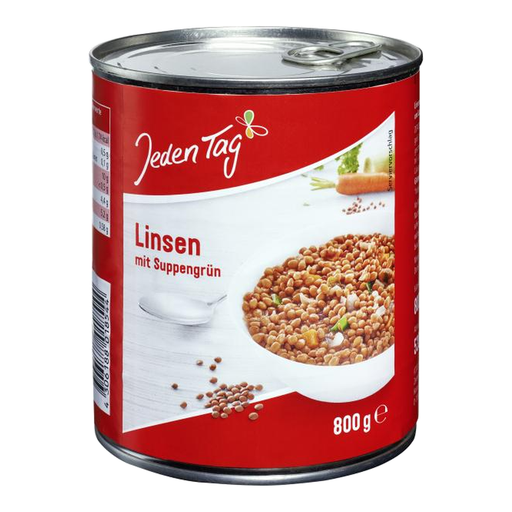
Why This Fits Their Persona: Ideal for anyone looking for a quick, filling, and straightforward meal for the pantry. This lentil stew is a complete meal that just needs to be heated—perfect for busy days or as an emergency reserve.
The value here lies in the ready-made meal, not just the pure vegetable content. For a pre-made meal, the ingredients list is transparent, and the sugar content is very low at under 0.5 g per 100 g.
A complete, protein-rich meal in a large can of lentil stew. Very long shelf life, ideal as shelf-stable vegetables for your pantry.
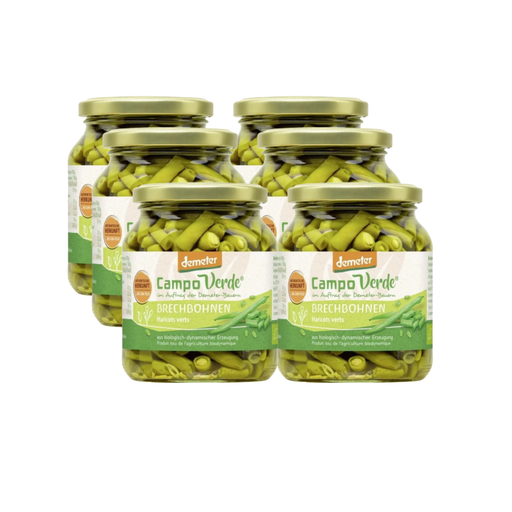
Why This Fits Their Persona: For consumers who demand the highest standards of origin and purity. The Demeter certification represents biodynamic agriculture, which goes beyond standard organic practices.
The ingredients list is minimal, with just green beans, water, and sea salt. There are no hidden sugars or additives. The glass jar protects the pure taste and makes the quality visible.
High-quality organic vegetables in a jar with Demeter certification. Mild, natural flavour, ideal as a quick vegetable side dish.
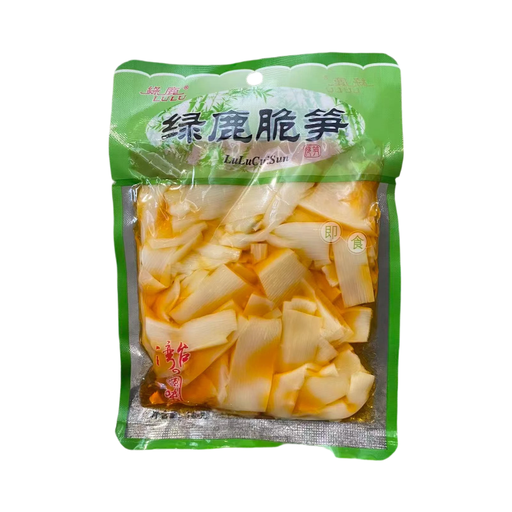
Why This Fits Their Persona: Perfect for anyone wanting to prepare authentic Asian dishes. These bamboo shoots are already seasoned and ready to eat, adding a crunchy texture to noodle dishes, salads, or rice bowls.
This is a specialty product where the seasoning and texture are the main focus. The value lies in its authenticity and unique flavour profile, not in the sheer volume of vegetables.
Ready-to-eat, crunchy side for Asian cuisine. High bamboo shoot content of over 80% according to the manufacturer.
We've compiled a complete, up-to-date list of products that fully meet these strict selection criteria and UK regulations.
1. How long do canned vegetables last after opening? After opening, leftovers from a can should be immediately transferred to a sealable glass or plastic container. Stored in the refrigerator, they will typically last for 2 to 3 days. Products in jars can be stored directly in their original container in the fridge.
2. Are canned vegetables as nutritious as fresh vegetables? Modern canning processes are gentle, preserving a large portion of vitamins and minerals. Heat-sensitive vitamins like Vitamin C may be partially reduced, while other nutrients like lycopene in tomatoes can become more bioavailable through the heating process. Canned vegetables are therefore a solid source of nutrients, especially when compared to no vegetables at all.
3. How can I identify good quality when buying canned vegetables? Look for a short ingredients list without unnecessary additives, a low sugar and salt content, and compare the drained weight to find the best value for money. For products in jars, a visual inspection provides information about the colour and condition of the vegetables. Undamaged, non-bulging packaging is a basic prerequisite.