
Lieferung heute & morgen

Qualitätsgarantie

Willkommens-Angebote freischalten: KOSTENLOSE Lieferung | Bis zu 80 % RABATT | Kostenlose 30-Tage-JoyPlus-Testphase
App herunterladen
A dead car battery is more than just a nuisance; it can disrupt your entire day. A portable car jump starter, also known as a jump starter or battery booster, seems like a simple and effective solution. However, the market is flooded with devices whose technical specifications can be confusing. Many drivers invest in a jump starter only to have it fail at the critical moment.
This often happens due to three common pitfalls: exaggerated performance claims, misleading battery capacity information, and subpar safety components. Before making a purchase, it's crucial to understand what really matters in finding a reliable portable jump starter.
Unrealistic Peak Current Ratings (Amps): Many manufacturers advertise extremely high amp (A) ratings that are hardly relevant in practice. This "peak current" is often only available for a fraction of a second. The crucial factor is the constant cranking current needed to actually start the engine. Those dazzled by high numbers may end up paying for power that is unnecessary for a standard vehicle.
Misleading Battery Capacity (mAh): The specified capacity in milliampere-hours (mAh) often refers to the sum of the internal battery cells at a low voltage. The actual output capacity available for charging devices like smartphones is often significantly lower. This results in fewer jump-starts or slower charging than expected. A jump starter power bank with unrealistic mAh ratings will quickly disappoint.
Poor-Quality Clamps and Missing Safety Circuits: Budget-friendly jump starters often cut corners on the quality of the jumper cables and clamps. Thin cables and weak clamps can't transfer power efficiently or may break easily. Even more critical is the absence of essential safety features like reverse polarity or short-circuit protection, which poses a risk to both the user and the vehicle's electronics.
To avoid a bad purchase, you should focus on three objective criteria. These will help you realistically assess a device's performance and safety.
The most important factor is its suitability for your engine. A distinction is made between gasoline and diesel engines, as diesel engines require a stronger cranking current due to their higher compression.
As a rule of thumb for a 12V jump starter:
The capacity determines how many jump-start attempts are possible and how many times you can charge your smartphone. Instead of mAh, the rating in watt-hours (Wh) is often more accurate as it accounts for voltage.
A good portable jump starter now often doubles as a jump starter power bank with USB ports for charging mobile devices. Some models even offer a jump starter with an air compressor to correct tire pressure on the go—a particularly useful feature for campers and travellers.
Modern jump starters should have smart clamps with integrated protection mechanisms. Look for the following features:
Sturdy, fully insulated clamps and a rugged housing are also indicators of a durable and safe product.
Based on the criteria above, we have identified several models that are particularly well-suited for different user profiles.
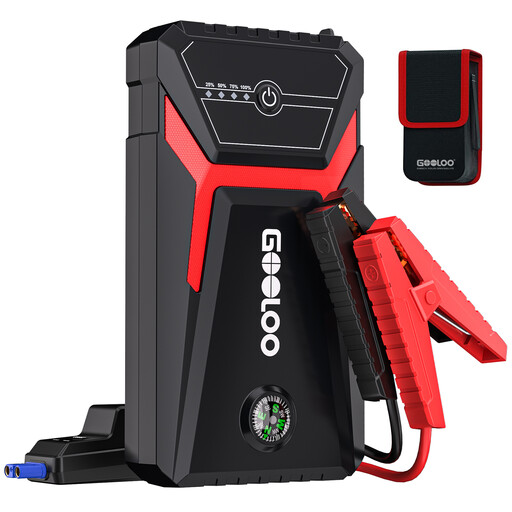
Why it fits: Ideal for drivers of small to mid-size cars with common gasoline or smaller diesel engines who are looking for a reliable and straightforward solution at an attractive price.
Offers a realistic 1500A peak current designed for its stated engine compatibility (6.0L Gas/4.0L Diesel), avoiding the trap of overpaying for unnecessary power.
A balanced combination of power, essential safety features, and an accessible price point, making it a practical entry-level choice.
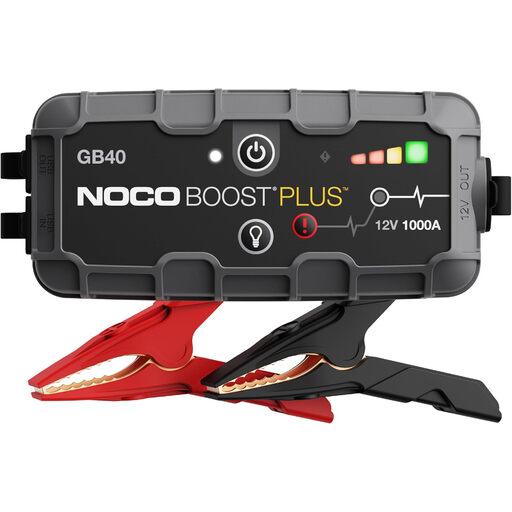
Why it fits: Perfect for the daily commuter with a sedan, SUV, or motorcycle who values durability and proven safety technology for complete peace of mind.
Directly addresses the safety pitfall with its patented "UltraSafe" technology, offering spark-proof connections and reverse polarity protection in a rugged, IP65-rated housing.
High-quality construction and advanced, verifiable safety features ensure long-term reliability for everyday use.
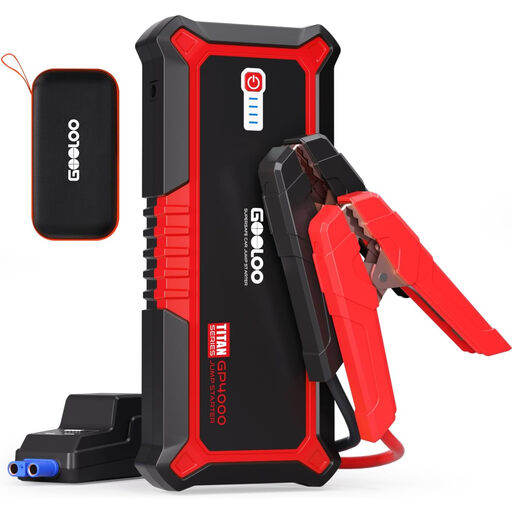
Why it fits: Designed for owners of large vehicles like trucks, RVs, vans, or cars with high-displacement diesel engines (up to 10.0L) who require substantial starting power.
Delivers a genuine 4000A high peak current that meets the demands of large engines, avoiding the pitfall of underpowered units that fail on demanding vehicles.
Massive starting power capable of handling nearly any 12V vehicle, supplemented by a "BOOST" function for deeply discharged batteries.
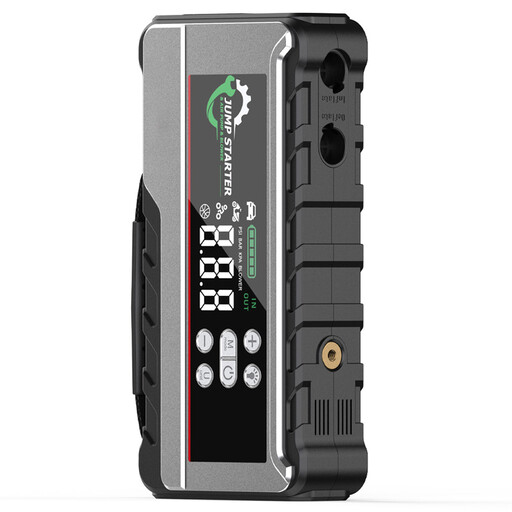
Why it fits: The go-to tool for campers, outdoor enthusiasts, and tech-savvy drivers who want a single device for multiple emergencies and tasks—from starting the car to inflating tires or charging a laptop.
Instead of focusing on just one metric, it delivers on multiple fronts. It avoids the "single-function trap" by integrating a powerful jump starter with an air compressor (150 PSI) and a PD65W fast-charging power bank.
Exceptional multifunctionality, combining a powerful jump starter, a tire inflator, an air blower, and a high-speed power bank for laptops.
We have compiled a complete, up-to-date list of products that fully meet these strict selection criteria and safety regulations.
Most manufacturers recommend charging the device every 3 to 6 months, even if it hasn't been used. This maintains the health of the internal lithium-ion battery and ensures it's ready in an emergency. Always follow the specific recommendations in your device's user manual.
Yes, most 12V jump starters for cars are also suitable for motorcycles, ATVs, lawnmowers, and boats that use a 12V battery system. While it's wise to check that the device's cranking current isn't oversized for a very small battery, modern smart clamps typically regulate the power output safely.
A jump starter delivers a short, powerful burst of energy to start a vehicle with a dead battery. It is a portable emergency tool. A battery charger, on the other hand, is designed to slowly recharge a battery over several hours and is also used for battery maintenance. A jump starter power bank is primarily intended for emergency starts.