
当日/次日达

品质保障

开启新人专享福利: 全场免邮 | 低至 2 折 | 免费试用 30 天 JoyPlus 会员
下载 Joybuy
The selection of chocolate cookies on supermarket shelves or online can be overwhelming. From classic butter cookies with a chocolate coating to exotic Japanese biscuits, there seems to be an option for every taste. However, not every package delivers on the promise of its appealing design. To avoid disappointment, it's helpful to know a few common pitfalls and what to look for when making your choice.
This guide will help you separate the wheat from the chaff and find the right chocolate cookies for your palate, without falling for empty marketing promises.
When buying sweets online or in-store, consumers repeatedly encounter the same issues. Knowing what they are can help you make a more informed decision.
To find the right chocolate cookies, you should focus on objective characteristics rather than being swayed by the packaging. The following three points are crucial.
Not all chocolate is created equal. The most important distinction lies in its composition. According to cocoa regulations, real chocolate must contain cocoa butter. Cheaper cocoa-flavored coatings often replace this high-quality ingredient with other vegetable fats like palm or coconut oil, which affects the melt-in-your-mouth quality and taste. Check the ingredients list to verify the quality of the coating.
Furthermore, the chocolate percentage is decisive. A cookie with 60% chocolate content offers a significantly different taste experience than one with only 25%. Whether you prefer milk, dark, or white chocolate is a matter of taste, but the percentage gives a clear indication of the intensity.
The texture of the cookie itself is just as important as the chocolate. There are fundamental differences here:
A transparent ingredients list is a good sign. For organic chocolate cookies, the corresponding seal (e.g., the EU organic logo) provides assurance that certain agricultural standards have been met. For fans of international specialities, such as Japanese cookies, it's also worth looking at the ingredients to get an idea of their authenticity and quality.
Based on the criteria above, we have compiled a few products that are well-suited for different taste profiles.
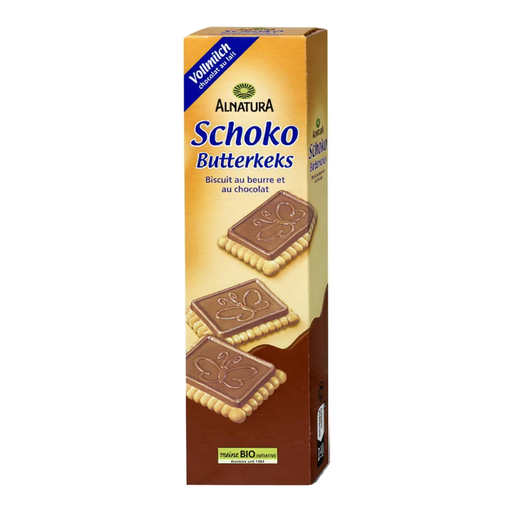
Why it's a great fit: Ideal for anyone who appreciates the traditional taste of a butter cookie with a generous chocolate coating. The organic quality also appeals to buyers who value ingredients from organic farming. A trusted companion for coffee or tea.
The organic seal and clear ingredients list create transparency, bypassing vague "premium" promises. The 48% chocolate content is clearly declared and delivers what is expected.
Crisp organic butter cookie with a high percentage of milk chocolate. Made in Germany.
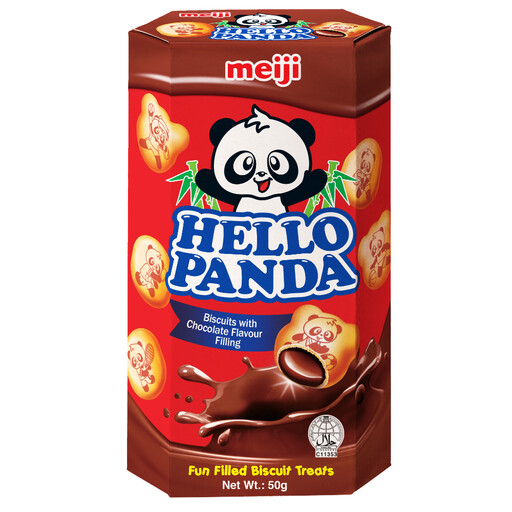
Why it's a great fit: For anyone curious about Japanese cookies or looking for a playful snack for themselves or their children. The combination of a crispy shell and creamy filling offers a different snacking experience than traditional cookies.
The product is honest in its presentation: a small, filled cookie with fun designs. It doesn't try to appear as a luxury product but delivers exactly what it promises—an entertaining snack.
A unique combination of a crispy cookie shell and a creamy chocolate filling. Each cookie piece features a different panda design.
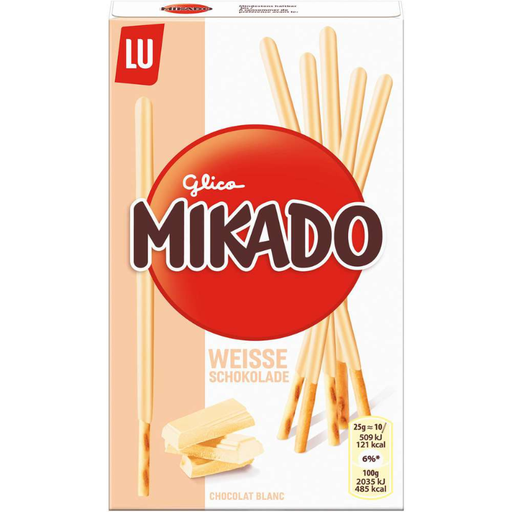
Why it's a great fit: Perfect for those seeking a light, crispy alternative to heavy chocolate cookies. The delicate chocolate sticks are ideal for sharing or for a small moment of indulgence without being too filling.
The product concept is clear and accurately depicted on the packaging. There are no misleading images of oversized chocolate; the focus is on the light, elegant form of the biscuit stick.
Very crispy and delicate texture. The white chocolate coating offers a creamy, sweet note that harmonises well with the biscuit.
We have compiled a complete, up-to-date list of products that fully meet these strict selection criteria and German regulations.
Chocolate cookies should be stored in a cool, dry place, protected from direct sunlight. Heat can cause the chocolate to melt and affect the texture. After opening the package, it is advisable to keep the cookies in an airtight container to protect them from moisture and maintain their crispness.
The main difference lies in the fat content. According to cocoa regulations, real chocolate must contain a certain amount of cocoa butter, which is responsible for the delicate melt and authentic taste. Cocoa-flavored fat glazes replace the more expensive cocoa butter, in whole or in part, with other vegetable fats (e.g., palm or coconut oil). This is visible on the ingredients list and often results in a different mouthfeel and taste.
Yes, the availability of Japanese confectionery, including cookies, has increased in recent years. Many consumers appreciate the often unique flavours (e.g., matcha), creative shapes, and special textures, such as those found in filled cookies or light biscuit sticks. The online selection here often offers a broader choice than brick-and-mortar stores.