
Lieferung heute & morgen

Qualitätsgarantie

Willkommens-Angebote freischalten: KOSTENLOSE Lieferung | Bis zu 80 % RABATT | Kostenlose 30-Tage-JoyPlus-Testphase
App herunterladen
Butter biscuits are a classic on the biscuit aisle, but the sheer variety can be overwhelming. Between traditional recipes, organic versions, and reduced-sugar alternatives, pitfalls await—often only becoming apparent after you open the packet. A high price is no guarantee of quality, and marketing buzzwords frequently obscure a product's true characteristics. This guide will help you separate the wheat from the chaff and make an informed decision.
Before you make a purchase, you should be aware of two common issues that can lead to disappointment:
To find the right butter biscuit for you, focus on three objective criteria that determine quality and suitability.
The heart of any butter biscuit is, as the name implies, the butter. Pay close attention to its exact name and position in the ingredients list.
The type of flour used significantly determines the texture, flavour, and nutritional profile.
The sugar content varies widely. A look at the nutrition table under "Carbohydrates, of which sugars" is insightful. Values around 20g per 100g are typical for classic biscuits. Reduced-sugar biscuits are often at 12g or below. For biscuits for children, added crystal sugar is often omitted, with natural sweetness from fruit juice concentrates used instead.
Here are some recommendations tailored to different needs and preferences.
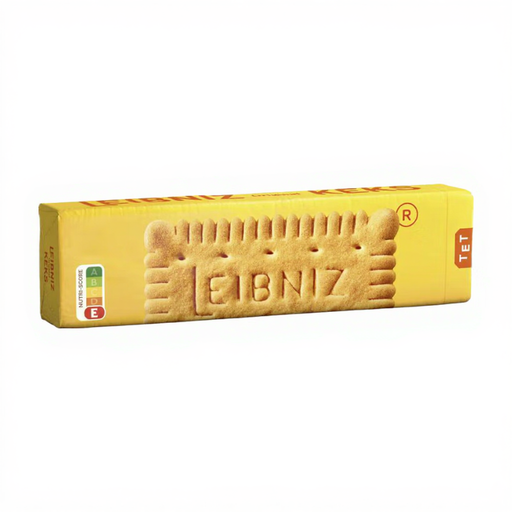
Why This Fits Their Persona: Ideal for anyone seeking the authentic taste of a classic German butter biscuit, known and loved for generations. Perfect with coffee, tea, or simply on its own.
This product avoids the "butter" fallacy with a clear declaration: it contains 12% butter and relies on a traditional, transparent recipe with no hidden fats.
Unmistakable flavour and the signature snap with 52 "teeth". Made in Germany according to a time-honoured tradition.
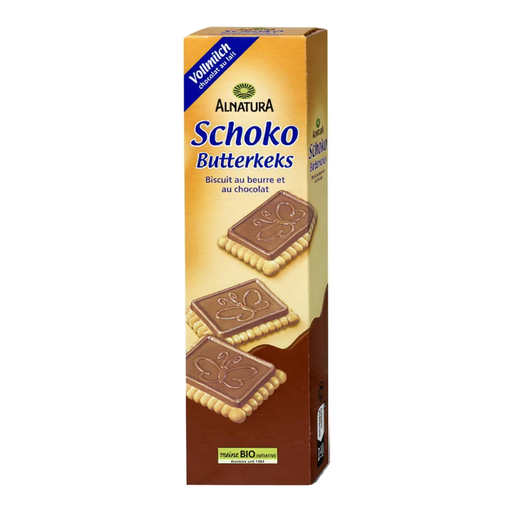
Why This Fits Their Persona: For those who want to combine the indulgence of butter biscuits with chocolate with a commitment to organic quality. A snack where the origin of the ingredients is a top priority.
This product avoids marketing pitfalls thanks to the official EU organic seal. All agricultural ingredients are sourced from organic farming, which ensures clear production standards.
High content of organic milk chocolate (48%) and the use of real organic butter. Refined with genuine Bourbon vanilla.
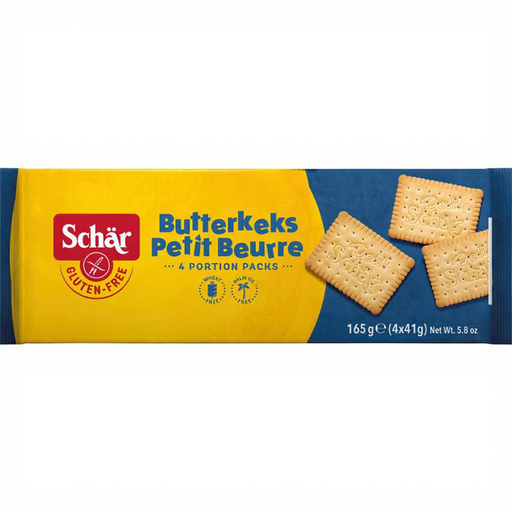
Why This Fits Their Persona: The solution for anyone who doesn't want to miss out on a classic butter biscuit due to gluten intolerance. It offers the taste of a Petit Beurre in a safe, gluten-free version.
This product makes no false promises. It is clearly positioned as a gluten-free butter biscuit and uses alternative ingredients like corn starch and cornflour to create a safe and tasty alternative.
Certified gluten-free, yet made with 10% real butter content for an authentic taste. A crisp texture that comes close to the original.
We have compiled a complete, up-to-date list of products that fully meet these strict selection criteria.
A good indicator is the ingredients list. Look for a high percentage of butter or pure butterfat, ideally near the top of the list. A short, understandable list of ingredients without many additives is often a sign of careful production. Products where palm oil or other vegetable fats are listed before butter typically have a lower butter content.
Not necessarily. While whole-grain biscuits and spelt biscuits offer more fibre than biscuits made from white wheat flour, which can help with satiety, it's still important to check the sugar and total fat content on the nutrition label. A whole-grain biscuit can still be a high-sugar, high-calorie treat. Compare the nutritional values to make a conscious choice.
Proper storage is crucial for maintaining crispness. After opening the packet, store the biscuits in an airtight container. Keep the container in a cool, dry place, away from direct sunlight and heat. This prevents the biscuits from absorbing moisture from the air and becoming soft.