
Lieferung heute & morgen

Qualitätsgarantie

Willkommens-Angebote freischalten: KOSTENLOSE Lieferung | Bis zu 80 % RABATT | Kostenlose 30-Tage-JoyPlus-Testphase
App herunterladen
The changing seasons bring a recurring challenge: what to do with clothes you won't need for the next few months? Whether it's heavy winter coats in summer or light dresses in winter, proper clothes storage is crucial for creating space and protecting textiles from dust, moisture, and moths. However, the market for clothes storage bags can be overwhelming, with many products overpromising and underdelivering.
As your Joybuy Product Recommendation Officer, I'm here to help you identify the common pitfalls and make an informed decision. We'll focus on the objective features that define a quality storage solution.
Before you invest, it's important to know the weaknesses that render many products useless. Pay close attention to these three critical points to avoid disappointment.
To make the right choice, let facts, not marketing promises, guide you. Here are the crucial criteria for your purchasing decision.
The choice of material depends directly on the intended use. There are two main categories:
A reliable seal is essential.
Check the dimensions carefully. Will the under-bed container actually fit under your bed? Is the garment bag long enough for your coat? For large, high-capacity bags, reinforced handles are essential. Look for terms like "double-stitched" or "extra fabric layers" under the handles. A clear window is also a practical detail for maintaining closet organisation without having to open every bag.
Here are some product suggestions tailored to specific user profiles that meet the quality criteria mentioned above.
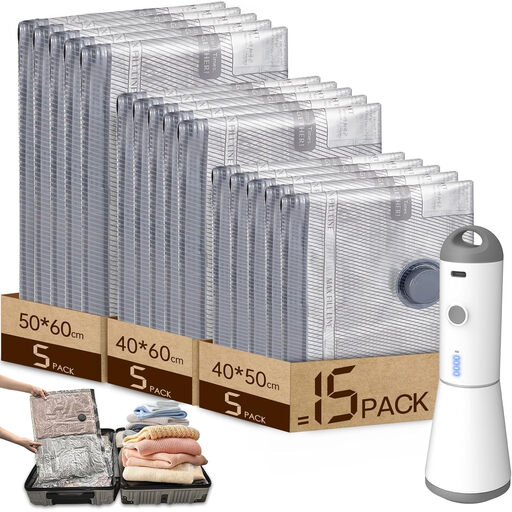
Why This Fits Their Persona: Ideal for those in apartments with limited storage space who need to compress bulky items like duvets, pillows, and winter clothing. The wireless pump makes the process independent of a vacuum cleaner, making it practical for travel or moving.
This set addresses the problem of leaky seals with a double-zip closure and specialised valves that ensure an airtight seal and prevent air from re-entering.
Complete set including a wireless, rechargeable pump. The tear-resistant material (polyamide and polyethylene) is designed for repeated use.
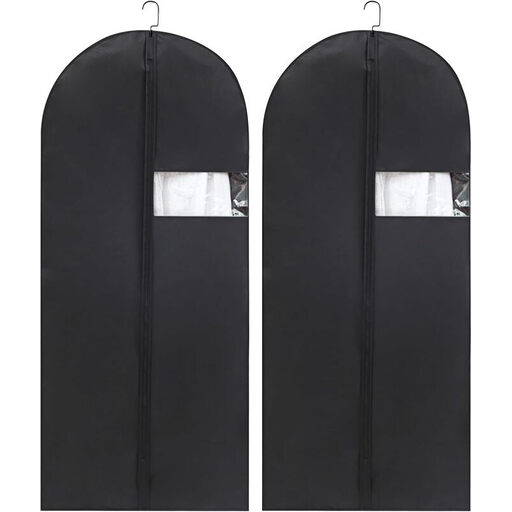
Why This Fits Their Persona: Perfect for individuals looking to protect suits, dresses, coats, or other high-value garments from dust and wrinkles inside the closet. The 120 cm length is also suitable for long items of clothing.
According to the manufacturer, the product is made from breathable non-woven fabric. This counteracts the risk of mildew and odours during long-term storage, a key advantage over pure plastic covers.
The breathable material preserves the shape and condition of the clothing. The full length prevents creasing in coats and dresses.
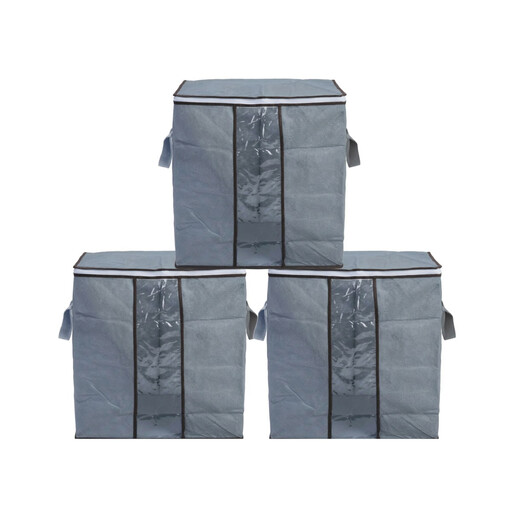
Why This Fits Their Persona: Ideal for families or individuals who need to neatly store large quantities of bedding, seasonal clothing, or children's toys. The large 90-litre capacity per bag offers plenty of space.
The product description explicitly highlights that the handles are reinforced with two additional layers of thick fabric. This directly addresses the problem of tearing handles under heavy loads.
Very high capacity (90L). The transparent window allows for a quick overview of the contents, and the bags are foldable for space-saving storage when not in use.
We have compiled a complete, up-to-date list of products that fully meet these strict selection criteria and applicable regulations.
For seasonal storage of up to six months, vacuum bags are a good solution. For longer storage, it is recommended to take the textiles out of the bag about every six months and air them out for a few hours. This helps prevent permanent creases from setting into the fibres. They are only partially suitable for very delicate materials like silk, leather, or high-loft down.
For storage over several seasons or years, breathable materials like non-woven fabric (polypropylene) or cotton are the better choice. They allow for minimal air exchange, which prevents the build-up of moisture and odours. Plastic bags and vacuum bags are primarily for compression and short- to medium-term protection from external elements.
The most important step is to ensure all textiles are completely clean and dry before storing them. Even a small amount of residual moisture can cause problems. Using breathable bags helps with this. Additionally, natural repellents like cedar blocks or lavender sachets can help keep moths away and provide a fresh scent.