
Lieferung heute & morgen

Qualitätsgarantie

Willkommens-Angebote freischalten: KOSTENLOSE Lieferung | Bis zu 80 % RABATT | Kostenlose 30-Tage-JoyPlus-Testphase
App herunterladen
As a Joybuy Product Recommendation Officer, I see the vast number of options for coconut water available on the market every day. The selection ranges from simple beverages to specialised products for athletes. However, not every product that promises to be natural actually delivers on that promise. This guide is designed to help you recognise the crucial features and make an informed choice that meets your needs.
The packaging is often attractively designed, highlighting its tropical origins. But behind the marketing, details can sometimes be hidden that are disadvantageous for buyers. Here are two common pitfalls to watch out for.
The 'No Added Sugar' Trap: Many consumers specifically look for coconut water without sugar. Some manufacturers prominently advertise this, yet they may use other sweeteners or use coconut water from concentrate, a process that can alter the natural sugar content. A close look at the nutrition facts and the ingredients list is essential to ensure you are getting a truly natural product.
The '100% Coconut Water' Fallacy: The claim '100% coconut water' doesn't always mean the product was bottled directly from the coconut. Often, pure coconut water is processed into a concentrate, transported, and then reconstituted with water at its destination. This process can affect the taste and nutrient profile. Products not made from concentrate generally offer a more authentic taste experience.
To avoid these pitfalls and find the right product, you should focus on three objective criteria. These will help you quickly assess the quality and suitability of any coconut water.
The most telling information is found on the ingredients list. Ideally, it should contain only one item: coconut water. Terms like 'sugar,' 'cane sugar,' 'fructose syrup,' or 'natural flavours' indicate additives that alter the drink's original character. If you're looking for vegan coconut water, this is usually the case, but checking for added, non-vegan fining agents can be worthwhile for some beverages, although it's rare with coconut water.
A look at the nutrition table per 100 ml is crucial.
Packaging plays a significant role in shelf life and quality. The coconut water Tetra Pak is common because it effectively protects the product from light and oxygen, thus preserving freshness and nutrients. For families, athletes, or for stocking up, the 1L coconut water pack is often the most economical and practical choice. Those who value environmental sustainability can also look for organic coconut water, which comes from certified organic farming.
Based on these objective criteria, we have selected a few products from our range that are suitable for different user profiles.
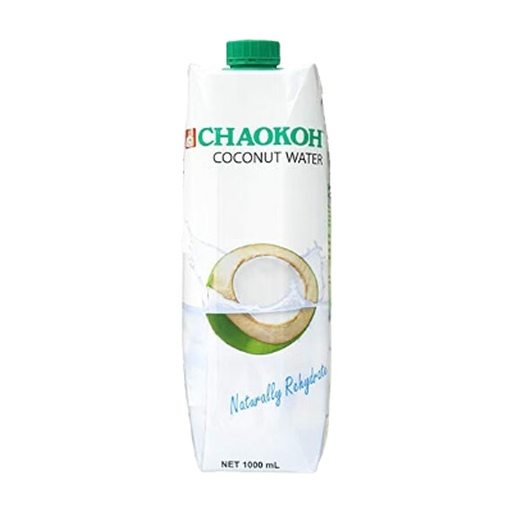
Why This Fits Their Persona: Ideal for consumers seeking an absolutely unadulterated product. It consists exclusively of coconut water, offering a pure, natural taste without any distractions.
The ingredients list contains only one item: 100% coconut water. This bypasses both the added sugar trap and the '100%' fallacy, as it is not made from concentrate.
UHT-treated for a long shelf life without refrigeration before opening; sourced from Thailand, known for its aromatic coconuts.
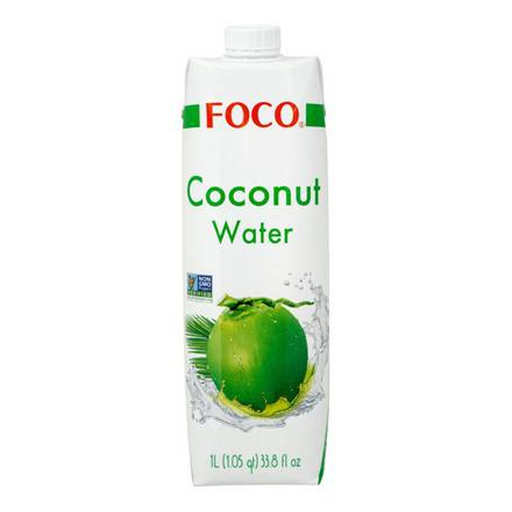
Why This Fits Their Persona: Offers an effective and natural rehydration solution in a practical 1-litre pack. Ideal for balancing fluid and electrolyte levels after a workout without breaking the bank.
This product also consists of 100% coconut water with no added sugar. It naturally delivers the electrolytes important for athletes and avoids empty calories from added sugars.
Excellent value for money in the 1-litre size; an established brand known for consistent quality.
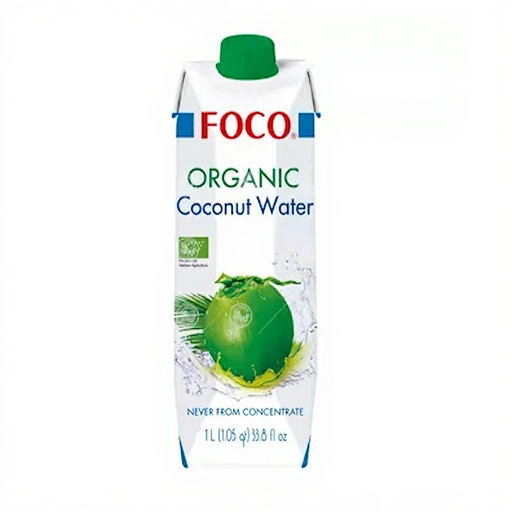
Why This Fits Their Persona: For buyers who prioritise certified organic origin and sustainable farming. This product guarantees that the coconuts were grown without synthetic pesticides and fertilisers.
The organic seal provides an additional layer of security beyond just the ingredients list. It ensures the product's purity starts at the cultivation stage, bypassing concerns about agricultural residues.
Certified organic; sourced from sustainably managed plantations; free of fat and cholesterol.
We have compiled a complete, up-to-date list of products that fully meet these strict selection criteria.
Once opened, coconut water should always be stored in the refrigerator. Most manufacturers recommend consuming the product within 2 to 3 days to ensure freshness and taste. Pay attention to the specific instructions on the packaging, as shelf life can vary depending on the processing method (e.g., UHT).
Due to its natural composition of carbohydrates and electrolytes, particularly potassium, coconut water has a solute concentration similar to that of human blood. This makes it a suitable natural alternative to many commercial sports drinks for replenishing the body with fluids and minerals after moderate exercise.
The most reliable method is a two-step process: