People who need to avoid gluten
An explicit gluten-free label is important for them. They should still check the specific pack for other personal triggers and any relevant precautionary allergen information.


If you have a food allergy, choose crispbread by checking the ingredients and any precautionary allergen information relevant to you first. If you need to avoid gluten, also look for an explicit ‘gluten-free’ label; this says nothing about other allergens. Only compare pack sizes once you’ve found products whose current labelling meets your requirements.
An explicit gluten-free label is important for them. They should still check the specific pack for other personal triggers and any relevant precautionary allergen information.
A single ‘free from’ claim won’t answer every question about allergens. The important thing is to check the current ingredients and precautionary allergen information against the substances you need to avoid.
If you don’t need to avoid gluten-containing cereals, you can also consider rye crispbread. Net weight only becomes relevant once the ingredients and precautionary allergen information meet your individual needs.
Check your personal triggers first. If you need to avoid gluten, also look for a gluten-free label, then compare the net weight of the products that remain.
| What matters | What to check when buying | Who it matters most to |
|---|---|---|
| Personal allergens and traces | Current ingredients list and emphasised allergens; precautionary allergen information, where relevant to your requirements. | If I need to avoid several substances, a single ‘free from’ claim isn’t enough. Around 42% of consumers put checking their personal triggers first. |
| Gluten-free labelling | An explicit ‘gluten-free’ statement on the pack, plus a check for other personal allergens. | If I need to avoid gluten, a rye product isn’t an alternative just because it has a short ingredients list. Around 33% of consumers put gluten-free labelling first. |
| A suitable pack size | Net weight of the options that meet your needs after checking for allergens. | If several options meet my requirements, I want to choose an amount I’ll actually need. For around 25% of consumers, choosing the right quantity is their main concern. |
Commission Implementing Regulation (EU) No 828/2014 allows the term ‘gluten-free’ to be used for foods containing no more than 20 mg/kg of gluten when sold to the final consumer. This does not tell you whether a product contains milk, sesame, soya or other allergens.
A gluten-free label only answers the question about gluten. Wasa lists possible traces of sesame and milk for Gluten- und Laktosefrei Classic; a retailer’s description of Schär Fette Croccanti also mentions possible traces of soya.
Even with a gluten-free option, check the ingredients and precautionary allergen information on the current pack against your personal requirements.
Rye contains gluten. The Wasa Roggen Sauerteig option described by EDEKA24 also contains barley malt extract.
If you need to avoid gluten, only consider products explicitly labelled gluten-free, then check for other allergens.
Wasa directs customers to the back of the pack for current ingredients and nutritional information. An online listing can help you narrow down your options, but it isn’t a substitute for checking the label on the product you buy.
Check the packaging again before eating the product. If the information on it differs from what you expected, confirm it’s suitable before using it.
Wasa offers both classic rye options and Gluten- und Laktosefrei Classic.
Ryvita describes Original Crispbread as crispbread made with wholemeal rye flour and rye flour.
Schär Fette Croccanti is sold as gluten-free crispbread.
These options illustrate different rye, sesame and seasoning varieties to help you narrow down your choices. Check each pack for allergens relevant to you before comparing pack sizes.
 No image available
This is only an option if you don’t need to avoid rye or gluten-containing cereals. The product title states a pack size of 260 g; check the current pack for any other allergens and traces relevant to you.
 No image available
This sesame option, as its name suggests, isn’t suitable if you need to avoid sesame. The product title states a pack size of 210 g; check the pack size, ingredients and precautionary allergen information against the current packaging.
 No image available
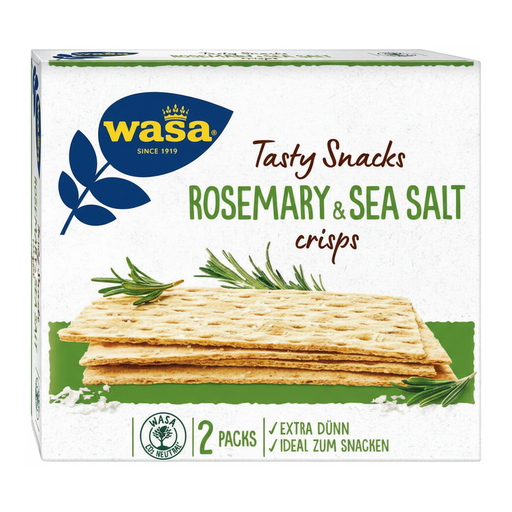
The rosemary and sea salt option can be distinguished from the sesame varieties by its name. Check the current pack to see whether its ingredients and any possible traces meet your requirements.
 No image available
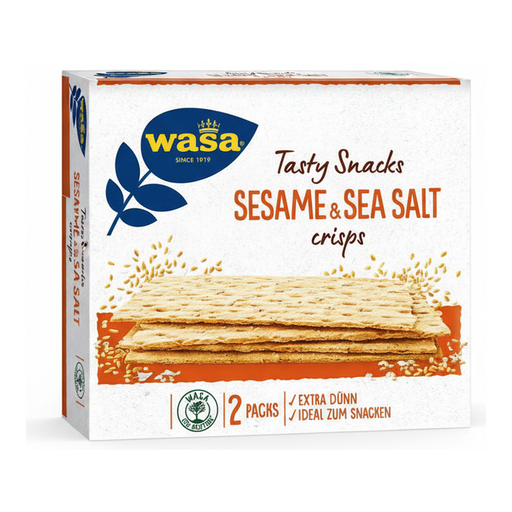
This sesame option isn’t suitable if you need to avoid sesame. Check the label on the specific pack for other allergens and possible traces.
 No image available
This sesame option, as its name suggests, is only suitable if sesame isn’t something you need to avoid. The product title states a pack size of 250 g; check the current pack for other ingredients and precautionary allergen information.
Yes. Allergen labelling rules apply to the 14 substances and groups of substances that must be declared, as explained by the German Federal Ministry of Agriculture, Food and Home Affairs. Check every pack for your personal triggers and, where relevant, precautionary allergen information.
Not automatically: ‘gluten-free’ refers to gluten, not other allergens. Wasa lists possible traces of sesame and milk for Gluten- und Laktosefrei Classic; the retailer Glutenfrei genießen lists possible traces of soya for Schär Fette Croccanti. Your requirements and the labelling on the current pack are what matter.
The net weight tells you how much crispbread is in a pack. Compare pack sizes only after ruling out options with ingredients or relevant precautionary allergen information that make them unsuitable for you.
Use it only to narrow down your options, and check the pack you’ve actually bought before eating the product. Wasa specifically directs customers to the back of the pack for current ingredients and nutritional information.
Ordinary rye crispbread isn’t gluten-free because rye contains gluten. If you need to avoid gluten, look for an explicit gluten-free label, then check for other personal allergens.