
Lieferung heute & morgen

Qualitätsgarantie

Willkommens-Angebote freischalten: KOSTENLOSE Lieferung | Bis zu 80 % RABATT | Kostenlose 30-Tage-JoyPlus-Testphase
App herunterladen
The selection of crunchy bars on supermarket shelves or online is vast. From protein bars for athletes and low-sugar options to the classic chocolate bar for a quick snack, there seems to be a perfect product for every taste and occasion. However, this variety can also be overwhelming and lead to poor choices. Not every bar advertised as "healthy" or "high-protein" delivers on its promise.
This guide will help you identify the key features and avoid the most common purchasing traps. This way, you can find a crunchy bar that truly fits your requirements.
Before you choose a bar, it's helpful to critically examine common marketing claims and product features.
To find the right bar, you should check two to three key parameters that determine the product's quality and suitability.
For many buyers, protein content is a decisive criterion, especially when looking for a protein bar. Products with a protein content of over 20 g per 100 g are considered high in protein. However, also pay attention to the type of protein:
As mentioned, the "no added sugar" claim should be examined closely. The ingredients list reveals which sweeteners are used.
The 'crunch' is what defines a crunchy bar. The texture is created by various ingredients:
Here are some recommendations tailored to different user profiles.

Why It's a Match: Ideal for individuals who exercise regularly and are looking for a high-protein post-workout snack. The convenient box of bars ensures you always have a supply on hand.
This product features a high protein content of 30% from milk protein and soy crisps, and it contains no added sugar. Instead, maltitol and sucralose are used as sweeteners.
Combines a high protein content with a crunchy texture from cocoa-soy crisps. The cookie flavour offers a delicious alternative to classic chocolate bars.
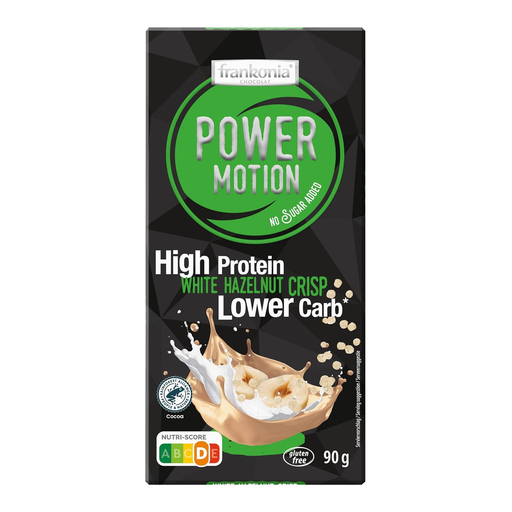
Why It's a Match: For anyone seeking a flavourful yet low-sugar treat. The combination of white chocolate, hazelnut paste, and crisps offers a premium taste experience.
This product has no added sugar and is instead sweetened with maltitol. It offers a high protein content without compromising on taste.
Uses Rainforest Alliance-certified cocoa, indicating sustainable sourcing. The crunchy texture comes from soy and milk protein crisps.
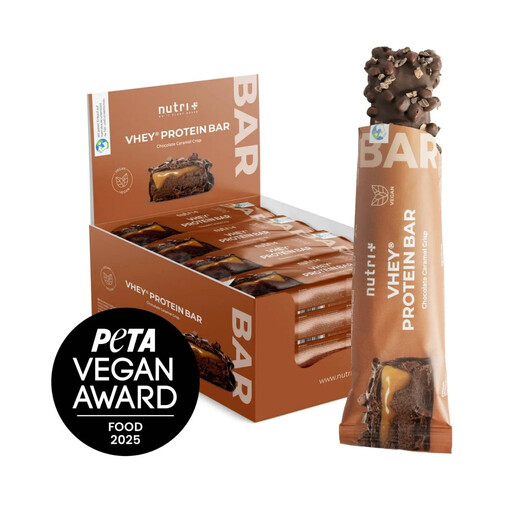
Why It's a Match: Specifically developed for individuals who prefer a purely plant-based protein source. The bar provides 13g of protein per serving and is a great option for vegans and health-conscious people.
It sidesteps the animal protein pitfall by using a blend of pea protein isolate and hemp protein. The ingredients list is transparently geared towards a vegan diet.
Offers a balanced combination of plant-based protein, fibre, and flavour. The crunchy texture comes from pea protein crisps and cocoa nibs.
We've compiled a complete, up-to-date list of products that fully meet these strict selection criteria and regulatory standards.
1. What does "can have a laxative effect if consumed in excess" mean? This warning is required for products containing certain sugar substitutes like maltitol, sorbitol, or isomalt. These substances are not fully absorbed in the small intestine and can bind water in the large intestine, which may lead to digestive discomfort or a laxative effect. Sensitivity varies from person to person.
2. Are protein bars a complete meal replacement? No, protein bars are designed as a dietary supplement, not a complete meal replacement. They are convenient for meeting protein needs after a workout or satisfying light hunger. However, a balanced meal contains a broader range of nutrients, vitamins, and minerals that a single bar typically cannot provide.
3. What is the best way to store an opened box of bars? A box of bars should be stored in a cool, dry place, away from direct sunlight and heat. This prevents the chocolate from melting or developing a whitish film (fat bloom). The individual bars are usually separately wrapped, which preserves their freshness even after the box has been opened.