
Lieferung heute & morgen

Qualitätsgarantie

Willkommens-Angebote freischalten: KOSTENLOSE Lieferung | Bis zu 80 % RABATT | Kostenlose 30-Tage-JoyPlus-Testphase
App herunterladen
The search for the perfect Doubanjiang can feel like unlocking a secret of Sichuan cuisine. You follow a recipe for mapo tofu or hot pot, but the result doesn't taste as expected—the culprit is often the wrong seasoning paste. Many products on the shelf look similar, yet their flavors and applications are fundamentally different.
Before you buy another chili bean paste that makes your dishes too salty or fails to deliver the desired depth of flavor, you should know the most common pitfalls:
To avoid disappointment and bring the authentic flavor of Sichuan cuisine into your kitchen, you should pay attention to three crucial features.
The most authentic and renowned variety is Pixian Doubanjiang, considered the soul of Sichuan cuisine. Its unique taste is based on two key factors:
A clean and short ingredient list is often an indicator of quality. Pay attention to the following:
The consistency reveals a lot about its intended use:
Here are some recommendations tailored to different needs and cooking styles.
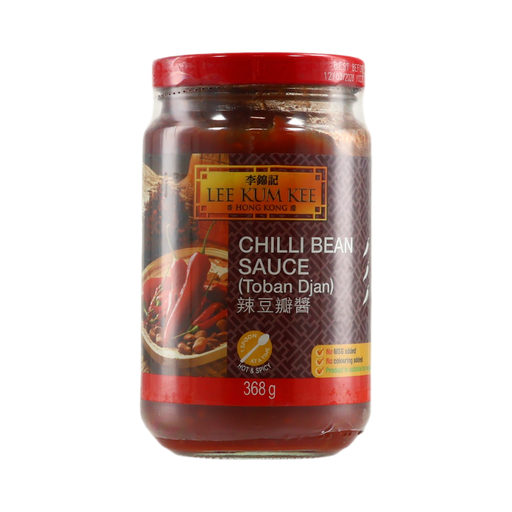
Why This Fits Their Persona: A reliable and versatile choice for anyone taking their first steps into Sichuan cooking. The paste offers a balanced ratio of heat and salty-savory umami without being too extreme. Ideal as a base for a variety of stir-fries and braises.
This is a true fermented cooking paste, not just a finishing sauce. It provides the necessary depth of flavor that non-fermented products lack, preventing a "flat" taste in the final dish.
Balanced flavor, versatile in use. Based on fava beans and soybeans for an approachable aroma.
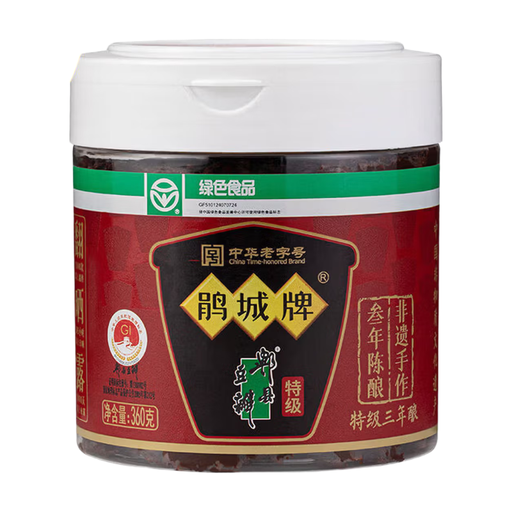
Why This Fits Their Persona: For cooks seeking the unadulterated taste of Sichuan. This paste from the Juancheng brand is a traditional Pixian Doubanjiang and is prized for its deep, complex savoriness and rich aroma, developed through traditional fermentation.
It bypasses the trap of buying a generic soybean paste. The fava bean base and traditional production guarantee the authentic, malty umami required for classic Sichuan dishes.
Authentic Pixian flavor, made using traditional methods. Ideal for preparing mapo tofu and hot pot bases.
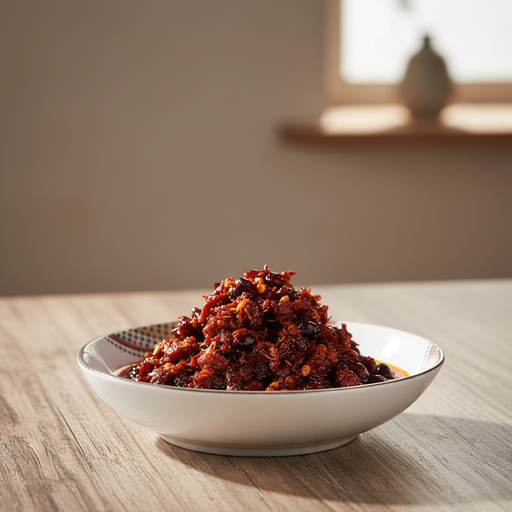
Why This Fits Their Persona: Perfect for anyone who wants instant flavor without complex cooking. This Chinese condiment is a ready-to-use chili oil with crispy pork and fermented black beans—ideal as a topping for noodles, rice, or eggs.
This product is clearly positioned as a chili oil (condiment), not a cooking paste. It prevents the mistake of adding a thick paste directly to food, instead delivering a ready-to-use, texturally rich seasoning.
Ready-to-use, complex texture and flavor from visible ingredients like pork and black beans.
We have compiled a full, up-to-date list of products that fully meet these strict selection criteria and current regulations.
Although both are fermented red pastes, they come from different culinary traditions and have distinct flavor profiles. Doubanjiang is a Chinese paste, typically made from fava beans or soybeans, that tastes salty, savory, and earthy. Gochujang is a Korean paste made from glutinous rice, fermented soybeans, and chili powder. It has a noticeably sweeter and milder heat compared to the primarily salty and robust flavor of Doubanjiang.
Once opened, the paste should be stored in the refrigerator. Always use a clean spoon to avoid contamination. For thicker pastes, it can be helpful to cover the surface with a thin layer of vegetable oil after each use. This protects the paste from drying out and extends its shelf life.
Yes, for most traditional cooking pastes like Pixian Doubanjiang or Toban Djan, frying is a crucial step. Slowly heating it in oil over low to medium heat activates the flavors and releases the red chili oil (Hong You). This process, known as "chao chu hong you," gives the dish its characteristic color and depth. Ready-to-use chili oils like Lao Gan Ma, on the other hand, do not need to be fried.