
Lieferung heute & morgen

Qualitätsgarantie

Willkommens-Angebote freischalten: KOSTENLOSE Lieferung | Bis zu 80 % RABATT | Kostenlose 30-Tage-JoyPlus-Testphase
App herunterladen
Anyone who wants to cook authentic Sichuan dishes like Mapo Tofu or hot pot will find one ingredient indispensable: Doubanjiang. This fermented broad bean paste is the heart and soul of many recipes, lending them their characteristic depth, heat, and complex umami flavour. But navigating the market can be tricky. Many products labelled "Chinese chili paste" turn out to be simple chili sauces that lack the key ingredient.
As your Joybuy Product Recommendation Officer, I'm here to help you separate the wheat from the chaff. In this guide, I'll show you what to look for to find an authentic spicy bean paste and avoid bad buys that will compromise the flavour of your dishes.
To ensure you get an authentic product that meets your culinary needs, you should check three key aspects.
The most authentic and renowned variety is Pixian bean paste (郫縣豆瓣醬). Pixian is a district in Chengdu, the capital of Sichuan, and its bean paste has a protected geographical indication, similar to Champagne from Champagne. Look for the term "Pixian" on the packaging. The ingredients list is the most important indicator: Broad Beans must be high on the list, along with chilies, salt, and often wheat flour, which aids the fermentation process.
The colour provides the first clue to its maturity. A vibrant red paste is typically younger and saltier, while a deep, dark red to brownish colour indicates a longer fermentation of one to several years. These longer-aged pastes offer a richer and more nuanced flavour. Also, check if oil (usually rapeseed oil) is listed in the ingredients. If so, it is a Hongyou Doubanjiang (red oil variant), intended for quick preparation.
Traditional Sichuan chili bean paste is often quite chunky, containing whole or coarsely chopped beans and chili pieces. This texture is desirable as it slowly breaks down during cooking, releasing its flavours. The heat level can vary but is generally quite pronounced. Some products are labelled as milder or extra hot, but a typical Pixian paste offers a balanced, robust heat.
Here are some recommendations tailored to different needs and cooking styles.
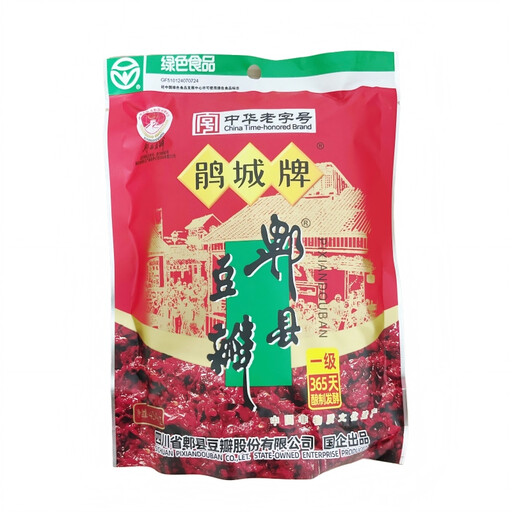
Why This Fits Their Persona: Ideal for cooks who want to achieve the full, authentic flavour of Sichuan cuisine through traditional cooking methods. This paste needs to be slow-fried in oil to release its full aroma—a crucial step for dishes like Mapo Tofu or Shuizhu beef.
This is an authentic Pixian bean paste whose main ingredients are broad beans and chilies. It is not a simple chili sauce and provides the necessary fermented base.
The Juan Cheng brand is known for its traditional production method, which is recognised as a national intangible cultural heritage. It offers a deep, complex umami flavour.
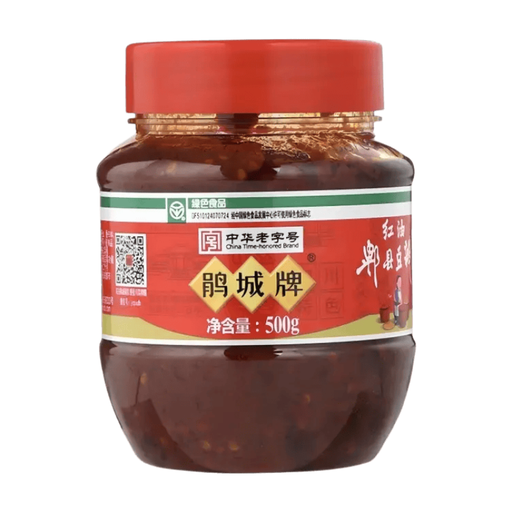
Why This Fits Their Persona: Perfect for quick stir-fries or when you need a fast weeknight meal. Since the paste is already fried in oil, the "blooming" step can be skipped, which saves time and guarantees a consistent result.
This helps you avoid the mistake of not using a traditional paste correctly. This red oil version is ready to use and instantly delivers the desired colour and aroma.
High convenience factor and consistent results. The vibrant red colour of the oil makes dishes instantly visually appealing.
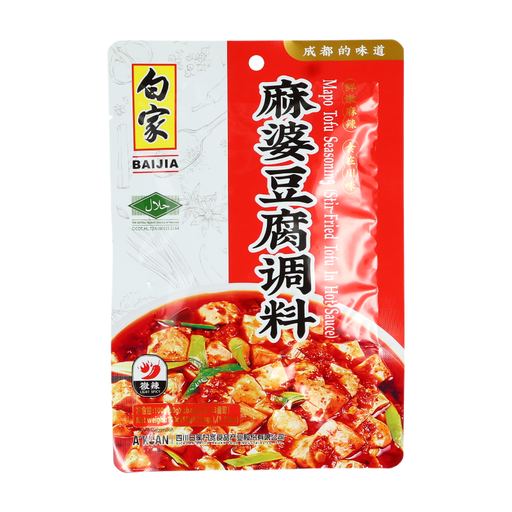
Why This Fits Their Persona: For those who specifically want to cook Mapo Tofu without buying a large jar of Doubanjiang, this is the ideal solution. This kit contains a perfectly balanced Mapo Tofu sauce and a separate seasoning powder for thickening.
It prevents you from having to buy a specialty ingredient that might be used only rarely. The mix is already balanced and contains all the necessary components, including Doubanjiang and fermented black beans.
Foolproof results for a specific dish. The portion size is ideal for one or two meals and minimises food waste.
We have compiled a complete, up-to-date list of products that meet these strict selection criteria and quality standards.
Although both are fermented pastes, they are fundamentally different. Doubanjiang is a Chinese paste made from broad beans, chilies, and salt, with a salty, savoury, umami flavour. Gochujang is a Korean paste made from glutinous rice, fermented soybeans, and chili powder. It has a distinctly sweeter and milder flavour component. The two are not interchangeable in terms of taste.
After opening, Doubanjiang should be stored in the refrigerator. To extend its shelf life, you can cover the surface with a thin layer of neutral vegetable oil to minimise contact with air. Due to its high salt content and fermentation, the paste lasts for a very long time, often over a year, as long as you use a clean utensil. However, its aroma can deepen and change over time.
For traditional pastes not packed in oil, frying (or "blooming") in oil over low to medium heat is a crucial step. This process, called "chao hong you" (炒紅油) in Chinese, releases the aromas and colours the oil a deep red. This forms the flavour base for the entire dish. With red oil pastes (Hongyou Doubanjiang), this step can be skipped as it has already been done during production.