
Lieferung heute & morgen

Qualitätsgarantie

Willkommens-Angebote freischalten: KOSTENLOSE Lieferung | Bis zu 80 % RABATT | Kostenlose 30-Tage-JoyPlus-Testphase
App herunterladen
Freezing is an effective method for stocking up on supplies, using up leftovers, and reducing food waste. However, success critically depends on the quality of the freezer bags you use. A leaky seal or tear-prone material can not only lead to an ugly mess in your freezer but also diminish food quality through freezer burn. Many products promise more than they deliver. This guide highlights the most common weaknesses and explains which features you should look for to make an informed purchasing decision.
Before choosing a product, it's helpful to know the typical flaws that lead to frustration in practice.
A thoughtful selection that focuses on specific features can eliminate these problems from the outset.
To avoid disappointment, you should check three central product properties before buying. These define the functionality and reliability of a freezer bag.
The closure is the most critical component. While simple press-seals may suffice for dry, solid foods, they often don't provide enough security for liquids or for long-term, airtight storage.
The quality of the film is crucial to properly freeze food and protect it from quality loss. A robust, sufficiently thick film not only prevents tears from sharp-edged frozen items (e.g., bones) but also forms an effective barrier against oxygen. Look for terms like "extra-strong film" or "tear-resistant." A high-quality material remains flexible even at low temperatures and does not become brittle.
Beyond the closure and material, there are features that make everyday handling much easier.
Based on the quality criteria mentioned, we have identified products that are particularly suitable for specific needs and household sizes.
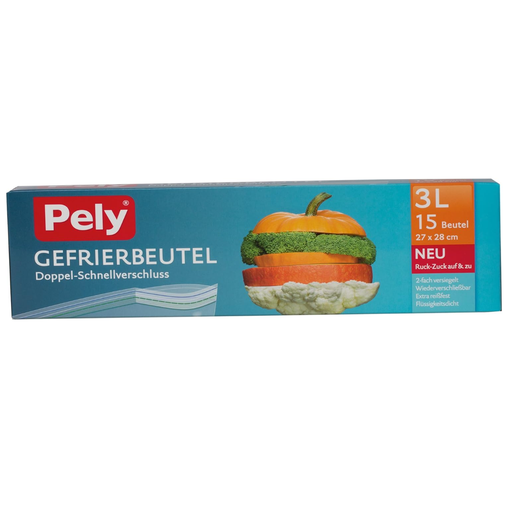
Why This Fits Their Persona: Ideal for families or anyone who batch-cooks large quantities. The 3L freezer bag size is perfect for soups, stews, or large cuts of meat. The Pely freezer bag brand is also renowned for its material quality.
The double-zip closure directly addresses the weakness of leaky single seals, providing superior protection against spills.
The combination of a large volume (3 litres) and a reliable double closure makes it versatile for both solid and liquid foods.
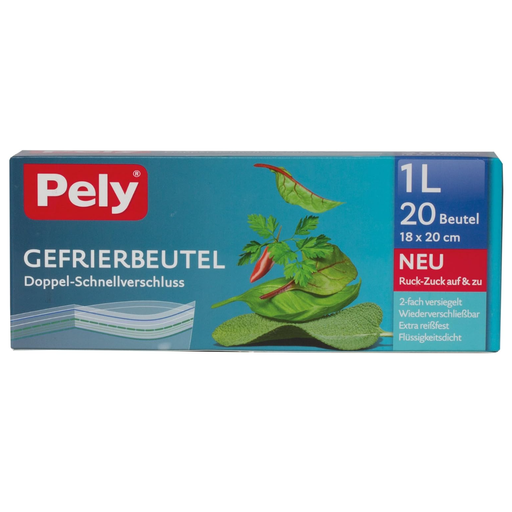
Why This Fits Their Persona: The 1L freezer bag size is ideal for single portions, berries, or herbs. According to the manufacturer, the bag meets regulations for carrying liquids in hand luggage, making it a practical choice for travellers.
The extra-strong film prevents tears, while the double closure stops liquids from leaking in your suitcase or freezer.
Its dual functionality as both a freezer bag and a flight-compliant liquids bag makes it exceptionally versatile.
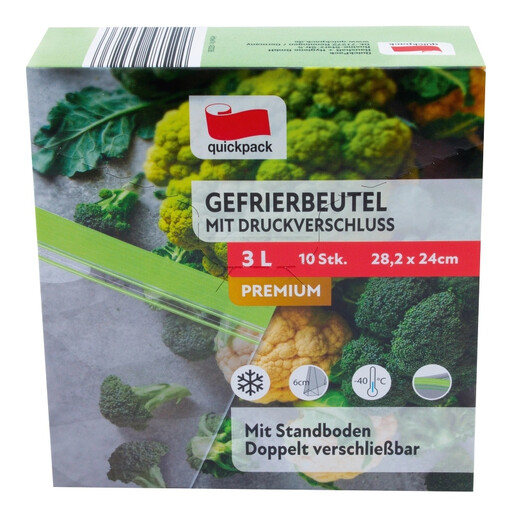
Why This Fits Their Persona: Designed for users who frequently freeze soups, sauces, or broths and value a clean, hassle-free filling process. The stand-up freezer bag provides stability and keeps things tidy.
The stand-up base solves the problem of bags tipping over during filling, eliminating the need for an extra hand.
The combination of a stable base for easy filling and a secure double closure offers superior practicality for liquid foods.
We've compiled a complete, up-to-date list of products that fully meet these strict selection criteria and safety standards.
Freezer burn is caused by food coming into contact with air. To prevent it, you should use a high-quality freezer bag made of thick, airtight material. Squeeze as much air as possible out of the bag before sealing it. A double-zip freezer bag helps maintain the airtight seal over a long period.
A double-zip system significantly increases leak resistance compared to a single closure. The two sealing strips create a double barrier that is particularly effective for liquids like soups or marinades. For an optimal seal, it's important to ensure that both zips are pressed firmly together along their entire length when closing.
Reusability depends on the manufacturer's instructions and the previous contents. If dry foods like bread or nuts were stored in them, the bags can often be reused after a thorough cleaning. For storage of raw meat, fish, or very greasy foods, single use is recommended for hygiene reasons to avoid cross-contamination.