
Lieferung heute & morgen

Qualitätsgarantie

Willkommens-Angebote freischalten: KOSTENLOSE Lieferung | Bis zu 80 % RABATT | Kostenlose 30-Tage-JoyPlus-Testphase
App herunterladen
An equipment tent is a flexible and cost-effective solution for protecting bicycles, garden tools, or a barbecue from the elements. However, the market can be confusing, and many products fail to deliver on their promises. As a Joybuy Product Recommendation Officer, I'll help you navigate common purchasing traps and make an informed decision that meets your specific needs.
Many buyers are disappointed after a short time when their new shelter doesn't withstand the first autumn storm or deteriorates after just one summer. Look out for these three common weaknesses to avoid a bad purchase:
To ensure your equipment tent serves its purpose long-term, you should carefully examine three core parameters. These features separate durable products from short-lived frustrations.
The longevity of an equipment tent depends directly on the materials used.
A tent is only as stable as its anchoring. The simple pegs often included are rarely sufficient for firm ground and typical weather. A well-designed product offers more:
Practical details determine whether an equipment tent is useful in daily life.
Based on the quality criteria mentioned, we have identified some products that are well-suited for specific use cases.
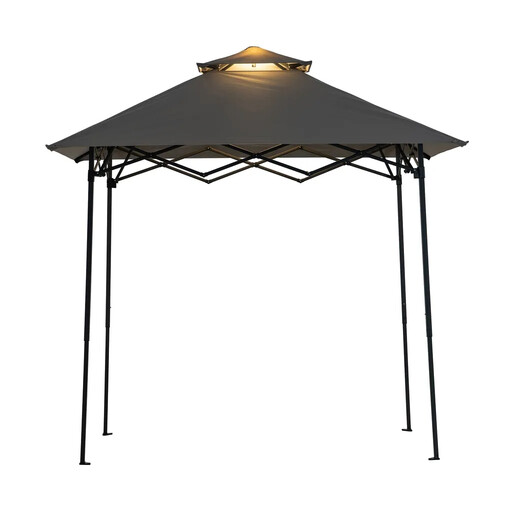
Why This Fits Their Persona: Ideal for spontaneous barbecues or as temporary sun protection. This BBQ tent is designed for quick, straightforward use, not as a permanent structure. Perfect for anyone who values flexibility.
The double-tiered roof design ensures excellent air circulation and prevents heat build-up, solving the lack-of-ventilation issue for this use case. The tool-free assembly in under 5 minutes bypasses the trap of complex and unstable constructions for short-term use.
Tool-free pop-up assembly; integrated, remote-controlled LED light; height-adjustable for different needs.

Why This Fits Their Persona: For homeowners and families seeking a durable yet flexible solution for storing 2-4 bikes, garden tools, or a scooter. A practical alternative to a permanent shed.
This bike tent directly addresses the stability trap with an aluminium frame, included storm anchors, and 14 tensioning straps. The integrated ventilation openings actively counteract the formation of condensation and mould.
Sturdy aluminium frame with a PE cover; includes extensive fastening materials for high stability; good ventilation to prevent moisture.

Why This Fits Their Persona: Ideal for gardeners who need a protected environment for growing vegetables like tomatoes or for overwintering cold-sensitive potted plants. The walk-in design and shelves offer plenty of space and convenience.
This plant tent bypasses the material deception trap with a clearly declared PE cover rated at 130 g/m?. The ventilation trap is neutralised by a zip-up door and mesh windows, which ensure air circulation while keeping pests out.
Walk-in design with three sturdy metal shelves (15 kg load capacity each); good ventilation options; tool-free assembly via a plug-in system.
We've compiled a complete, up-to-date list of products that fully meet these strict selection criteria and safety requirements.
Storm resistance heavily depends on the construction, location, and, most importantly, the anchoring. No tarp-based equipment tent is designed for extreme weather conditions like hurricane-force winds. Pay attention to the manufacturer's specifications. Models with included storm straps and robust ground stakes offer significantly higher stability. For storm warnings (e.g., wind force 6 or higher), most manufacturers recommend removing the tarp as a precaution to prevent damage to the frame.
In principle, yes, provided the dimensions and weight are suitable and it's not prohibited by your building's regulations. The biggest challenge is anchoring, as ground stakes cannot be used. You'll need to use alternative methods like heavy weights (e.g., sand-filled bags) on the feet or, if permitted, securely fasten the frame to the balcony railing. Smaller models, like a compact tomato house, are often well-suited for balconies.
To maximise the tarp's lifespan, you should regularly clean it of dirt and bird droppings. Use lukewarm water and a mild soap solution; aggressive cleaning agents can damage the UV-protective coating. Ensure the tent is completely dry before storing it for the winter to prevent mould growth. Small tears should be patched immediately with a suitable tent tarp repair kit.