
Lieferung heute & morgen

Qualitätsgarantie

Willkommens-Angebote freischalten: KOSTENLOSE Lieferung | Bis zu 80 % RABATT | Kostenlose 30-Tage-JoyPlus-Testphase
App herunterladen
Dark circles, puffiness and fine lines can have various causes. Lack of sleep, dry skin, genetic factors, visible blood vessels or natural changes in skin structure all play a role. An eye care product can hydrate the skin and temporarily make it look more refreshed. However, it does not replace medical advice and cannot permanently change every underlying cause.
When buying eye care for dark circles, three common marketing pitfalls often lead to poor decisions:
A sensible choice starts with the full INCI list on the packaging. For a hydrating eye care product, ingredients like glycerin, hyaluronic acid or certain ceramides are useful reference points. Niacinamide is often used in formulations aimed at creating a more even-looking complexion. Caffeine is also included in some eye care products.
However, these ingredients are not an automatic guarantee that dark circles or wrinkles will be reduced. What matters is the concentration, the overall formula and your individual skin tolerance. If you are sensitive to fragrances, essential oils or known allergens, it is worth taking a particularly close look at the packaging.
A light gel or ampoule texture can be appealing if you want to apply further skincare or make-up quickly in the morning. Creamy formulas with shea butter, dimethicone or plant oils can feel more comfortable on dry skin.
For eye care for mature skin, the "anti-ageing" label alone is not decisive. Check whether the formula contains humectants, skin-nourishing lipids or peptides, and whether the texture fits your routine. A firming eye cream should not be mistaken for a permanent lifting effect.
Eye care products are used in small amounts. A 15 ml or 25 ml product can therefore last a long time, depending on how often you use it. For eye patches, the number of pieces included is an important comparison point. A pot with 60 patches is suitable for regular use, while a small tube can be more practical for travel.
Apply cream gently with your ring finger and avoid pulling the skin. Eye patches should only be used on cleansed skin and according to the manufacturer's instructions. If you experience stinging, redness or itching, stop using the product. Avoid direct contact with the eye.
The following selection groups products by formula, format and intended use. The information on ingredients and product features is based on the respective product details. Always check the current packaging before buying, as formulas can change.
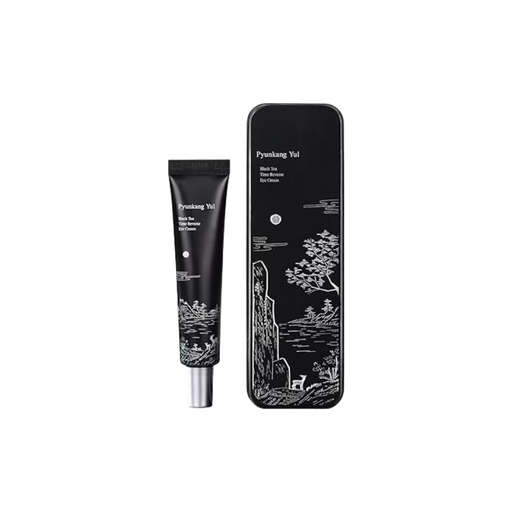
Why this product fits the profile: The 25 ml tube offers a practical size for a morning and evening skincare routine. The formula features black tea, ceramides, hyaluronic acid and niacinamide.
The product information lists specific ingredients and usage instructions rather than relying solely on vague anti-ageing terms.
25 ml content; ceramides and hyaluronic acid are listed in the product details; intended for morning and evening use.
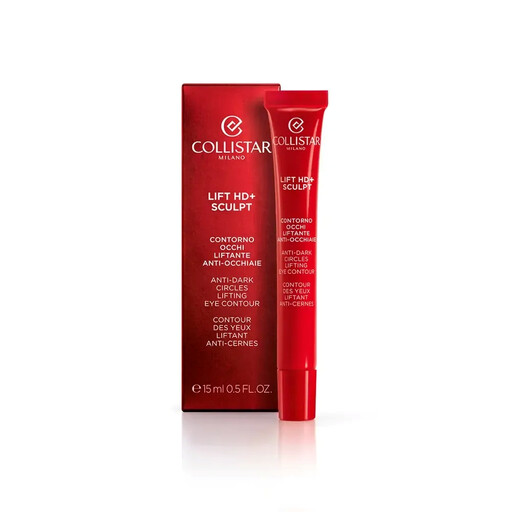
Why this product fits the profile: According to the product description, this 15 ml eye cream is aimed at mature skin and contains ingredients including glycerin, niacinamide, caffeine, hyaluronic acid and acetyl tetrapeptide-5.
The ingredient list is provided and indicates a creamy, nourishing formula with several humectants. This makes it easier to match the product to your skin type.
15 ml content; caffeine, niacinamide and sodium hyaluronate are included in the stated INCI list; intended for morning and evening use.
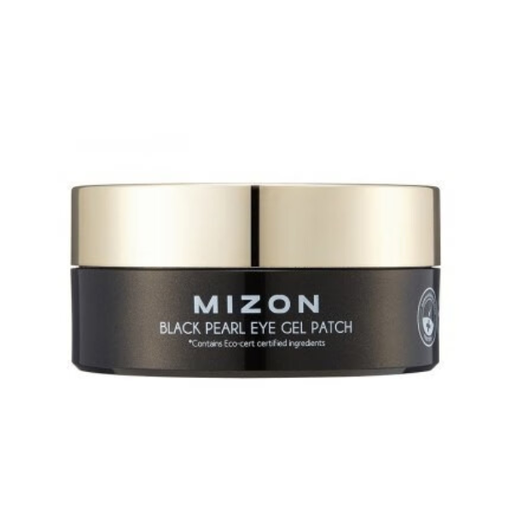
Why this product fits the profile: The 60 gel patches are ideal for anyone who wants a supplementary treatment before events or as part of their skincare routine. According to the product details, the recommended application time is 15 to 20 minutes.
The number of pieces and the specific application time are stated. This makes it easier to calculate usage compared to single-use products with unclear dosages.
60 pieces; recommended use two to three times per week or as needed; contains glycerin and niacinamide among other ingredients.
We have put together a full, regularly updated list of products that meet these strict selection criteria and comply with all EU safety regulations.
When trying a new eye cream for dark circles, start with a small amount. Test the product on an inconspicuous area of skin first, if this is compatible with the product information. Do not apply the cream to broken or irritated skin. If you have sensitive eyes, products without perfume or with a shorter INCI list can be a practical choice.
Eye patches for puffiness are usually used for short periods. Cooling can feel pleasant, but it does not automatically change the cause of the puffiness. If you have persistent, one-sided or painful changes, you should seek medical advice.
That depends on the cause and your skin type. For dry skin, hydrating formulas with glycerin, hyaluronic acid or ceramides are a sensible choice. For morning puffiness, a light texture with caffeine may be of interest. A cosmetic eye cream can help improve the appearance, but it does not guarantee the permanent removal of dark circles.
Many products are intended for use in the morning and evening. Follow the instructions on the packaging and use only a small amount. Eye patches are typically used less often; for the MIZON product mentioned, two to three applications per week are recommended.
That depends on the amount, dosage and frequency of use. With a small amount per application, a 15 ml tube can last several weeks or longer. For patches, it is easier to plan usage based on the number of pieces. Also check the best-before date or the stated shelf life after opening.