
Lieferung heute & morgen

Qualitätsgarantie

Willkommens-Angebote freischalten: KOSTENLOSE Lieferung | Bis zu 80 % RABATT | Kostenlose 30-Tage-JoyPlus-Testphase
App herunterladen
Finding the right eye cream is more difficult than many product claims suggest. Fine lines, dry skin, dark circles and puffiness can have different causes. A rich cream may feel comfortable on dry skin but seem too heavy under make-up. A product containing a vitamin A derivative may be appealing as part of an anti-ageing routine, but it requires careful use.
As a Joybuy Product Recommendation Officer, I filter market information according to transparent criteria. What matters is not the most attention-grabbing advertising slogan, but the combination of the INCI list, skin compatibility, texture, pack size and usage instructions.
Terms such as “anti-ageing”, “glow” and “lifting” initially describe how a product is positioned. They do not prove that wrinkles, dark circles or puffiness will change to the same extent for everyone. An ingredient such as hyaluronic acid moisturises the skin, but it will not automatically make every wrinkle disappear.
It is therefore important to check which ingredients are actually listed in the INCI list. The order can provide an indication of the approximate quantity, but it does not replace an individual skin compatibility assessment.
Vitamin C, niacinamide, caffeine, peptides, retinal, bakuchiol and plant extracts are often combined. Several active ingredients can be useful, but they also make the formulation more complex. For sensitive skin, a short, easy-to-understand INCI list is often simpler to assess.
Especially with an eye cream containing retinal or retinol, use should be increased gradually. The skin around the eyes is thin and may react to vitamin A derivatives with dryness or redness.
A product may be advertised as gentle or soothing and still contain fragrance or essential oils. If you are prone to irritation, you should look out for terms including Parfum, Limonene, Linalool, Citronellol and Geraniol. This does not mean that these ingredients will cause problems for everyone. However, individual assessment and a cautious patch test are still advisable for sensitive skin.
For an eye cream for sensitive skin, fragrance-free formulations are often an obvious choice. Alcohol, essential oils and certain preservatives should also be taken into account if you have known sensitivities. By contrast, the term “Korean eye cream” primarily describes the product’s origin or skincare category. It does not automatically indicate a particular level of quality or compatibility.
Gel creams generally absorb more quickly and can be practical under concealer. Rich balms and creams are more suitable for dry skin or an evening routine. A jar often allows easy removal of the product, while a pump dispenser or tube reduces direct contact with it.
Also check the fill volume. Eye creams often contain between 15 and 30 ml. A smaller size may be useful for a trial period, while a larger pack can be more economical with daily use. The actual amount used is what matters: a small amount is generally enough for the eye area.
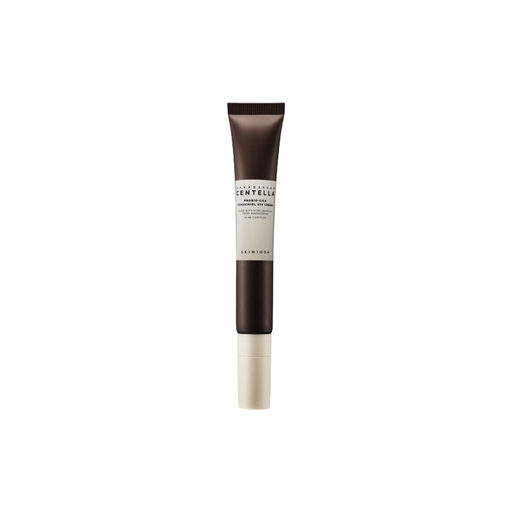
Why this product suits the profile: According to the product information, the lightweight gel cream contains bakuchiol, Centella asiatica extract, niacinamide and Sodium Hyaluronate. This makes it an interesting option for anyone looking for uncomplicated daily eye care without artificial fragrances.
The formula focuses on clearly named ingredients and a lightweight texture rather than a long list of advertising claims that are not explained in greater detail.
20 ml content, fragrance-free product information and an INCI list featuring bakuchiol, panthenol and hyaluronate.
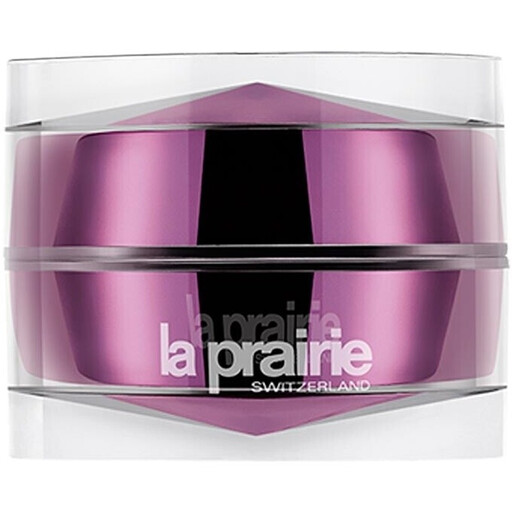
Why this product suits the profile: According to the product information, the rich formula combines peptides, squalane, shea butter, Sodium Hyaluronate and a colloidal platinum ingredient. It is aimed at shoppers who prefer an intensive texture and a comprehensive skincare formula.
The choice can be assessed based on specific ingredients and the stated 20 ml quantity, rather than the luxury positioning alone.
Several peptide ingredients, squalane and a rich moisturising base; fragrance is stated in the product description.
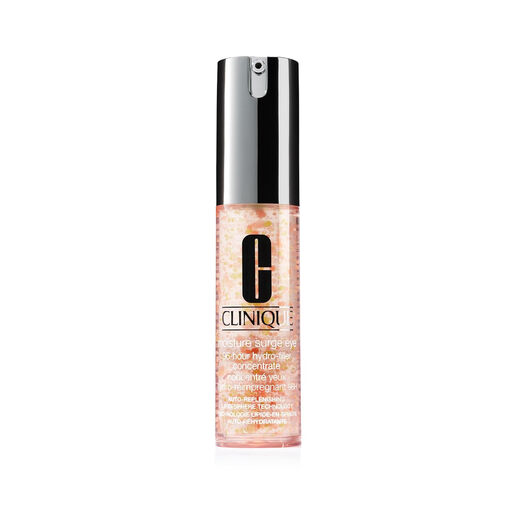
Why this product suits the profile: The water-gel texture and ingredients such as glycerin, niacinamide, caffeine and Sodium Hyaluronate suit a lightweight morning routine and use under make-up.
The product type and texture are clearly stated. This makes it easier to assess whether you are looking for quick absorption without a particularly greasy finish.
Lightweight water-gel texture, 15 ml content, plus caffeine and vitamin C and vitamin E derivatives according to the INCI information.
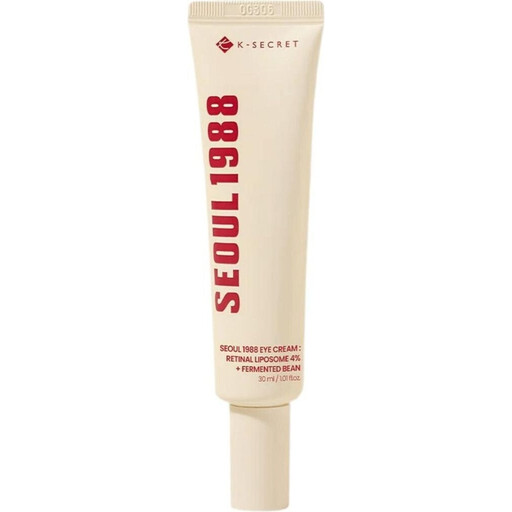
Why this product suits the profile: According to the product information, the formula contains retinal liposomes, bakuchiol, niacinamide, adenosine and fermented extracts. It is an interesting option for anyone who specifically wants to incorporate a vitamin A derivative into their evening eye-care routine.
The product description explicitly mentions retinal and the need for cautious use. The current packaging information should be checked against the online INCI list before purchase.
30 ml content, retinal as an active ingredient and additional humectants such as glycerin and Sodium Hyaluronate.
We have put together a complete, regularly updated list of products that fully meet these strict selection criteria and the safety requirements applicable in the EU.
Apply a small amount to clean skin and gently pat it in using your ring finger. Avoid direct contact with the eyes. When introducing new active ingredients, it is advisable to start by using them on just a few evenings per week. An eye cream containing retinal or retinol should preferably be used in the evening; during the day, suitable sun protection for the rest of the face is recommended.
During pregnancy or when trying to conceive, products containing vitamin A derivatives should only be used as a precaution after consulting a medical professional. Stop using the product if you experience burning, persistent redness or swelling. The binding INCI list, best-before date and batch number on the packaging take priority, as formulations may change.
Refer to the PAO symbol on the packaging, such as “6M” or “12M”. You should also monitor the product’s smell, colour and consistency. If you notice significant changes or a skin reaction, stop using the product.
Most products are used morning and evening after cleansing. Rich eye care is often better suited to an evening routine, while gel creams or lighter formulations can be used under make-up. With retinal or retinol, it is sensible to introduce the product gradually.
A fragrance-free formula with a concise INCI list can make choosing easier. Even so, no skin reaction can be predicted with complete certainty. Test new products on a small area of skin first, and avoid applying them to irritated or damaged skin.