
Lieferung heute & morgen

Qualitätsgarantie

Willkommens-Angebote freischalten: KOSTENLOSE Lieferung | Bis zu 80 % RABATT | Kostenlose 30-Tage-JoyPlus-Testphase
App herunterladen
As your Joybuy Product Recommendation Officer, I see the vast number of facial cleansing options available every day. A good facial cleansing foam promises a gentle yet thorough clean. However, the market is saturated with products whose marketing claims often create more confusion than clarity. Before you make a decision, it's crucial to understand the most common pitfalls that can lead to an unsuitable purchase.
Many products don't live up to their promises. Watch out for these three typical marketing traps to make an informed choice.
To find the right cleansing foam for your face, you should focus on objective criteria rather than marketing slogans. Here are the three most important factors to check.
The skin's surface has a natural, slightly acidic pH of around 5.5. This so-called acid mantle fends off harmful microorganisms and keeps the skin flora in balance. Many conventional soaps and cleansing products are alkaline (pH > 7) and can disrupt this protective layer.
Surfactants are the active cleansing agents responsible for creating foam and removing dirt and oil. Their type and concentration determine how gentle or aggressive a cleanser is.
A good facial cleansing foam should do more than just clean. Look for active ingredients tailored to your specific skin needs. The Korean cleansing foam trend, in particular, has demonstrated how effective targeted ingredients can be.
Here is a selection of products tailored to specific user profiles that meet the criteria mentioned above.
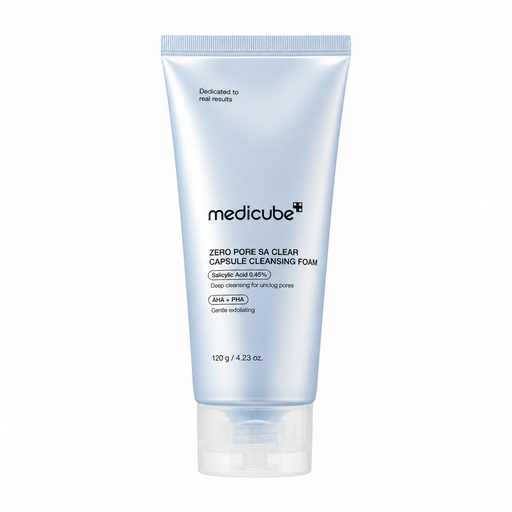
Why This Fits Their Persona: Ideal for those who want to actively combat enlarged pores, blackheads, and excess sebum. The formula is specifically tailored to the needs of oily and combination skin in an urban environment.
This product bypasses the vague 'pore-refining' promise with a clear combination of active ingredients: AHA, BHA, and PHA. These acids gently but effectively exfoliate the skin and cleanse pores from within.
The capsule technology ensures targeted release of the pore-clearing active ingredients. Niacinamide further helps regulate sebum production and fade blemish marks.
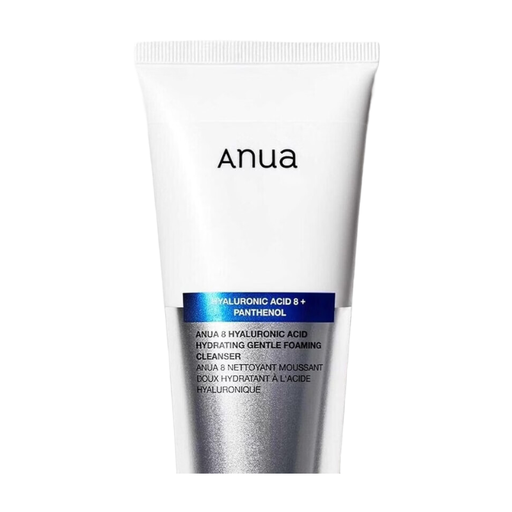
Why This Fits Their Persona: Perfect for users whose skin is prone to dryness, tightness, and dehydration. These individuals need a cleanser that provides moisture rather than stripping it away.
This cleanser avoids the 'squeaky-clean' trap by using mild amino acid-based surfactants and omitting harsh sulfates. The skin is cleansed thoroughly, yet gently.
The complex of 8 different types of Hyaluronic Acid hydrates the skin on multiple levels. Panthenol and Betaine provide additional soothing and restorative benefits.
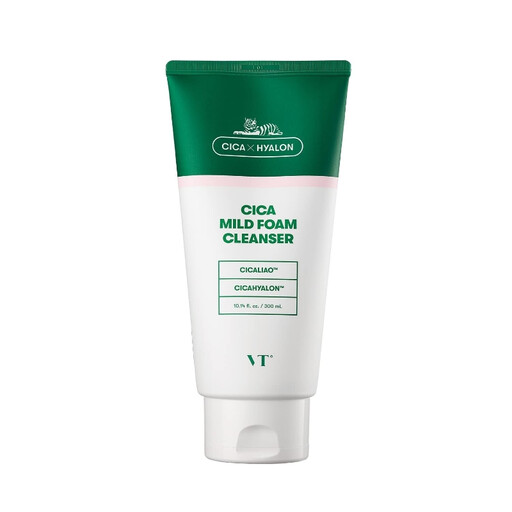
Why This Fits Their Persona: Designed for people with sensitive skin prone to redness, irritation, or inflammation. This user group prioritises soothing and strengthening properties in their cleansing routine.
This product debunks the 'for all skin types' myth by clearly focusing on sensitive skin. Its mild formula cleanses without further stressing an already compromised skin barrier.
The key active ingredient is Centella Asiatica (Cica), known for its powerful soothing and repairing properties. The creamy texture minimises friction on the skin during cleansing.
We have compiled a complete, up-to-date list of products that fully meet these strict selection criteria and comply with current regulations.
1. How often should you use a cleansing foam? For most skin types, using it twice daily—morning and evening—is recommended. In the morning, to remove sebum and sweat produced overnight, and in the evening, to wash away makeup, sunscreen, and environmental pollutants from the day. For very dry or sensitive skin, a single use in the evening may be sufficient.
2. Is cleansing foam suitable for dry skin? Yes, as long as it is a specially formulated hydrating cleansing foam. Look for products with mild surfactants and moisturising ingredients like hyaluronic acid, glycerin, or ceramides. Avoid products that leave your skin feeling tight or dry.
3. What is the difference between a cleansing foam and a cleansing gel? The main difference lies in the texture and often the formulation. Cleansing foam has a light, airy texture that is often perceived as particularly gentle, making it well-suited for sensitive or normal skin. Cleansing gels have a denser, gel-like consistency and are frequently formulated for oily or blemish-prone skin, as they often provide a more powerful clean. The choice ultimately depends on personal preference and skin type.