
Lieferung heute & morgen

Qualitätsgarantie

Willkommens-Angebote freischalten: KOSTENLOSE Lieferung | Bis zu 80 % RABATT | Kostenlose 30-Tage-JoyPlus-Testphase
App herunterladen
A facial pore cleanser comes in many forms, including cleansing foam, cleansing oil, cleansing balm, toner pads and chemical exfoliants. The right choice depends not on eye-catching claims on the packaging, but on your skin type, the ingredients, how you use it and how well your skin tolerates it.
If you have oily, blemish-prone or blackhead-prone skin, three common shopping mistakes can lead to unnecessary spending:
There are several product types to choose from for deep facial cleansing:
If you’re looking for a cleanser for oily skin, choose a formula that cleans thoroughly without drying your skin out. For blemish-prone skin, lightweight textures and a straightforward skincare routine are also a good choice.
The following ingredients are often relevant to pore care:
Fragrance, Alcohol Denat., essential oils and menthol can be problematic for sensitive skin. That’s why it’s worth checking the full ingredients list. When trying a new product, test it on a small area of skin first.
A BHA facial cleanser is not automatically suitable for daily use. If you’re new to a leave-on exfoliant such as a BHA liquid, it’s usually best to start slowly. Don’t combine acid-based products with other exfoliants, retinoids or strongly fragranced formulas without careful thought.
If you use exfoliating acids during the day, it’s a good idea to apply suitable sun protection, as they can make your skin more sensitive to sunlight. Stop using the product if you experience persistent redness, stinging, itching or a rash. Cosmetic products are not a substitute for dermatological treatment.
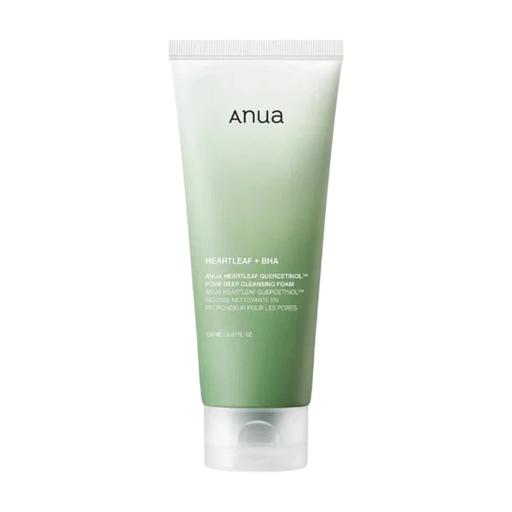
Why this product suits this profile: The 25ml size is a good way to try a cleanser for blemish-prone or oily-looking skin. According to the product information, the formula contains 0.5% BHA, heartleaf extract and several humectants.
The small pack size limits the risk of buying a product that isn’t right for you. The product information clearly specifies the BHA content.
Foam texture, 25ml size and moisturising ingredients such as glycerin and hyaluronic acid.
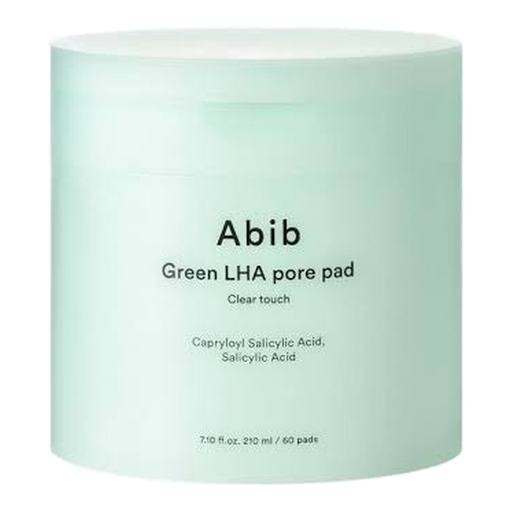
Why this product suits this profile: The pack contains 60 pads and, according to the INCI list, combines LHA, glycolic acid, salicylic acid, betaine salicylate, niacinamide and panthenol.
The ingredients list makes it clear which acids are included. As the formula combines several acids, it’s best to build up use gradually.
60 pre-soaked pads, niacinamide and conditioning ingredients such as glycerin and hyaluronic acid.
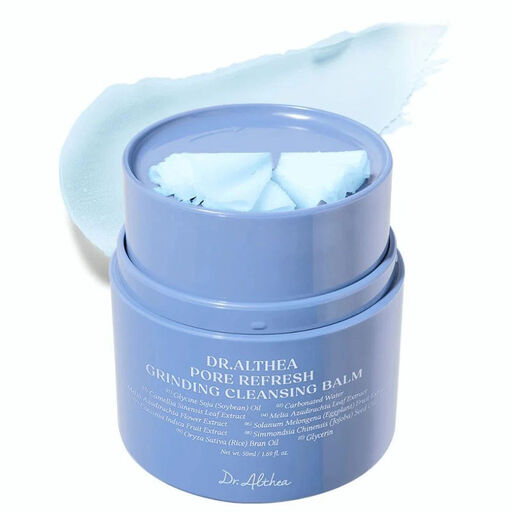
Why this product suits this profile: This balm is designed for the first step of a double-cleansing routine. According to the product description, it dissolves make-up, sun protection and everyday residue.
The balm isn’t an exfoliant and doesn’t need to be applied with mechanical pressure. This helps you keep cleansing separate from exfoliating pore care.
A 50ml balm that’s suitable for dissolving make-up and sun protection; emulsifies with water.
We’ve put together a complete, regularly updated list of products that meet these strict selection criteria and fully comply with the safety regulations in force in the EU.
Following a simple routine can help you avoid overdoing it:
Avoid using mechanical exfoliants with coarse particles alongside several acid-based products. If you have dry or sensitive skin, a shorter contact time or using the product less often may be a better option.
A traditional cleansing foam is usually used once or twice a day, depending on your skin type. Acid-based pads and leave-on products should initially be used less often. Always follow the manufacturer’s instructions and pay attention to how your skin reacts.
Cleansing products can loosen sebum, dirt and dead skin cells, temporarily changing the appearance of blackheads. No cosmetic product can guarantee permanent removal or completely closing the pores. If you have severe or inflamed blemishes, seek advice from a dermatologist.
Check the packaging for the product’s specific shelf life, which is often shown as a best-before date or an open-jar symbol indicating how long it lasts after opening. Make sure jars and pads are properly sealed and protected from drying out. If the product’s smell, colour or consistency changes, stop using it.