
Lieferung heute & morgen

Qualitätsgarantie

Willkommens-Angebote freischalten: KOSTENLOSE Lieferung | Bis zu 80 % RABATT | Kostenlose 30-Tage-JoyPlus-Testphase
App herunterladen
A foot spa with massage can be a practical way to enjoy a little wellness at home after a long day at work, a job that involves standing or a workout. There’s plenty of choice, from a simple bubble foot spa to an electric model with a heater, roller massage, air compression and a timer.
However, an impressive list of features doesn’t automatically mean a device is right for you. What matters is its design, how easy it is to clean, how the temperature is controlled and whether the model suits your habits.
A foot spa with roller massage can put different levels of pressure on the soles of your feet. Fixed rollers, motorised rollers, shiatsu nodes and air cushions all feel different. High intensity may be uncomfortable if your feet are sensitive. So look for:
Some devices simply heat the water using a heating element, while others have a thermostat that keeps the temperature within a set range. A foot spa with temperature control should have an easy-to-read display or clearly defined settings.
Also check whether the heater can only be used with water in the foot spa. Many devices are expressly not designed to operate without water. A temperature range such as 35 to 48 °C describes the device’s technical settings; it isn’t a promise of therapeutic heat.
UV or ozone modules may be advertised as extra features. However, they don’t replace emptying, rinsing and thoroughly drying the basin. Particularly in a bubble foot spa with water circulation, residue can build up in pipes, pumps and hard-to-reach areas.
Useful features include:
A traditional electric foot spa often combines bubble or vibration massage with manual rollers. Motorised rollers move on their own, while a shiatsu foot massager usually uses pressure nodes or rollers on the soles of your feet. A foot spa with air compression, by contrast, uses air cushions to apply pressure to the top or sides of your feet.
The right choice depends on how you plan to use it:
A heated foot spa should be easy to operate and have a timer. Models with automatic shut-off reduce the risk of the device running for longer than intended. Other useful features include:
Follow the usage times specified by the manufacturer. Several models in our comparison recommend a maximum continuous use of 30 minutes.
Check that the foot spa is the right size for your feet before buying. Some models are designed to fit feet up to shoe size 46, while compact devices are intended for smaller feet. Basin depth matters too: a deeper model can cover more of your ankle or lower leg, but it needs more water and is heavier to move.
Wheels, handles and a drain outlet make a foot spa easier to handle. A foldable foot spa takes up less storage space, but often has fewer features and a fixed temperature. Before you buy, consider how much storage space you have and where you’d like to use it.
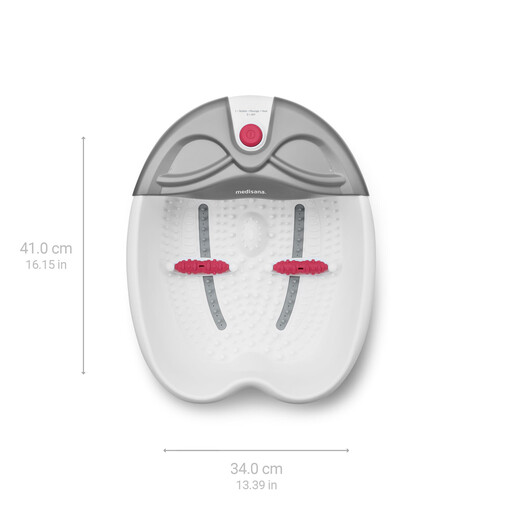
Why it suits this profile: This model combines bubble, vibration and reflex-zone massage with water heating. According to the product details, it’s designed for feet up to shoe size 46.
The functions are clearly labelled, and the removable rollers make cleaning easier. However, the heating function shouldn’t be mistaken for precise temperature control.
230-volt operation, two removable rollers and several massage functions.
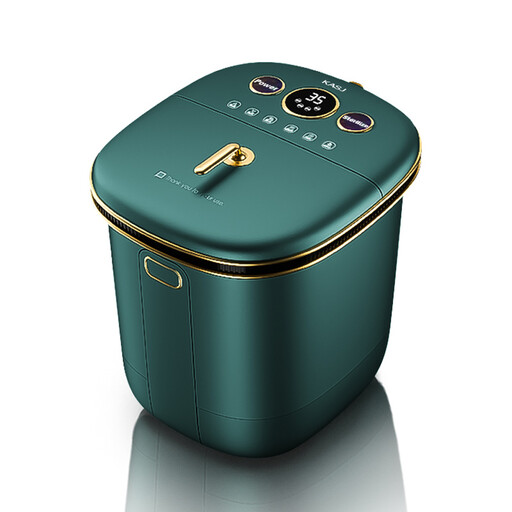
Why it suits this profile: Its deep basin, adjustable temperature from 35 to 48 °C, six rollers and two acupressure components make it a good option if you want to combine several foot spa features.
The temperature display, timer and drain help you use it in a controlled way. The removable massage plates also make it easier to reach the inside surfaces when cleaning.
Water circulation, a temperature range of 35 to 48 °C, a timer from 10 to 60 minutes and four transport wheels.
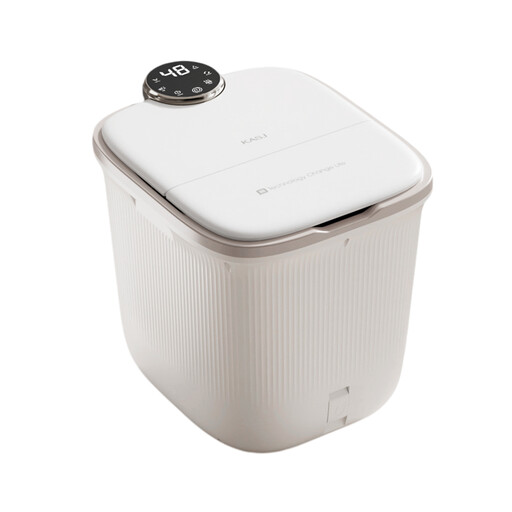
Why it suits this profile: This device can be used wet or dry, making it a good choice if you want to switch between a foot spa at home and a quick session at the office.
The dry mode means you don’t need water for a quick session. According to the product details, temperature control only works when the device is used with water, so bear this in mind.
Shiatsu kneading massage, air compression over the top of the feet, six pressure settings, a timer and transport wheels.
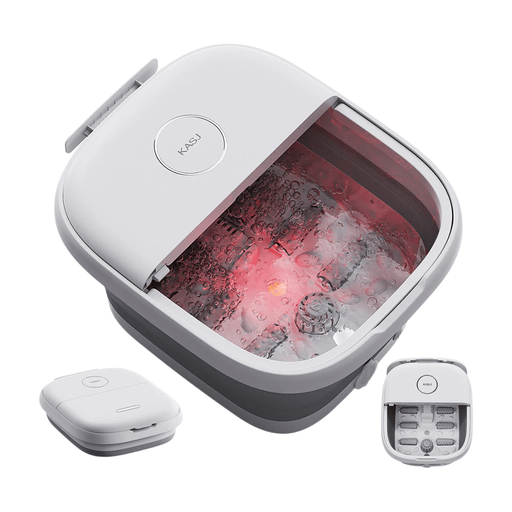
Why it suits this profile: This foldable foot spa is designed for homes or offices with limited storage space and can be carried by its handle.
Its fixed temperature setting is clearly stated, so you can easily distinguish it from models that let you choose the temperature.
Folds down to around 11 cm high, six manual rollers, bubble function, drain opening and dust cover.
Use a water-based electrical appliance only on a stable, waterproof surface and while seated. Always fill, empty and clean the device as instructed, and unplug it from the mains first. Never touch the plug or control panel with wet hands.
Before buying, also check for CE marking, instructions in German, details of the responsible person in the EU and an accessible customer service team. If you’re unsure about electrical safety, a socket with a residual current device (RCD) can offer extra protection; it doesn’t replace the manufacturer’s instructions.
Electricity costs depend on the device’s power and how long you use it. As a simple guide:
Cost = power in kilowatts × usage time in hours × electricity price per kilowatt-hour
A heater, pump and massage function can use more energy together than a passive basin. If you plan to use the device regularly, a timer, a short heat-up time and filling it with pre-warmed water may help, provided the manufacturer allows this.
Follow the instructions for use. The devices mentioned here often have a maximum recommended continuous use of 30 minutes. When trying a new massage function, start at a low intensity and stop if you feel pain, unusual redness or anything else out of the ordinary.
After each use, drain all the water, rinse the inside and leave the basin open to dry. Clean removable rollers or massage plates separately. Only use additives such as salts, herbs or essential oils if the manufacturer allows them. Filter bags can help protect pipes and pumps from residue.
No. If you have reduced sensitivity to heat or pressure, diabetes, circulation problems, open wounds or skin inflammation, speak to a doctor before using one. If you’re unsure whether it’s suitable for you, seek medical advice.