
Lieferung heute & morgen

Qualitätsgarantie

Willkommens-Angebote freischalten: KOSTENLOSE Lieferung | Bis zu 80 % RABATT | Kostenlose 30-Tage-JoyPlus-Testphase
App herunterladen
Chinese steamed buns, also known as baozi or bao buns, offer a delicious and convenient way to enjoy authentic Asian cuisine at home. But anyone who has tried to order frozen baozi online knows the challenges: the selection is vast, and the differences in quality are significant. Too often, these products fall short of expectations—the dough is tough, the filling is sparse, or the flavour is simply bland.
This guide will help you navigate the common pitfalls of buying frozen baozi. We'll show you which objective criteria to look for to find products that taste as good as those from a dim sum restaurant.
Before you buy bao buns, you should be aware of two widespread flaws that often only become apparent after cooking:
To avoid disappointment, you should check three central product features before making a purchase. These provide reliable indicators of quality.
A transparent ingredient list is the most important hallmark of quality. Look for specific descriptions instead of vague terms.
Good dough requires only a few, high-quality ingredients. The base typically consists of wheat flour, water, yeast, and a small amount of sugar or oil.
A complete and clearly legible list of allergens is legally required and a sign of a responsible manufacturer. Likewise, the nutritional values per 100 grams should be clearly broken down to allow for an informed choice. Brands like Freshasia Bao prioritise the transparent declaration of this information.
Here are some recommendations tailored to different needs and preferences that meet the quality criteria mentioned above.

Why It's a Match: Ideal for anyone looking for a quick yet satisfying meal. The combination of tender chicken thigh meat and aromatic shiitake mushrooms delivers a complete flavour experience that goes beyond a simple snack.
The clear declaration of chicken thigh and shiitake mushroom as the main filling ingredients counters the flavour trap. This product doesn't skimp on high-quality, flavour-intensive components.
A generous, savoury filling in a soft dough casing. Suitable as a quick main meal or a nutritious snack.
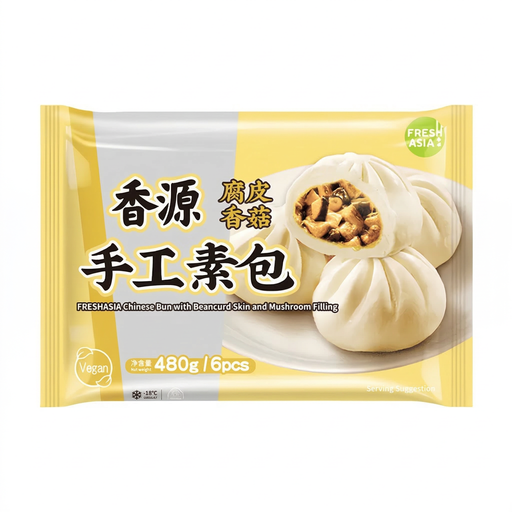
Why It's a Match: An excellent choice for vegetarians seeking a filling with substance and texture. The combination of beancurd skin, mushrooms, and vegetables offers a complex mouthfeel and a rich umami flavour.
This product avoids the bland vegetable filling trap by using beancurd skin (yuba), which contributes an interesting texture and a nutty flavour. The ingredients are clearly named.
A purely vegetarian filling with a dual texture of soft dough and firm beancurd skin. A nutritious and flavourful meat-free option.

Why It's a Match: For anyone who loves the authentic taste of Hong Kong-style desserts. These "Lava Buns" feature a molten, sweet-and-salty filling of salted egg yolk that flows out when cut open.
The product actively counters the texture problem of dry fillings. The molten consistency is a key quality feature. The complex sweet-and-salty note of the egg yolk prevents one-dimensional sweetness.
Authentic "lava" filling with salted egg yolk. The bamboo charcoal dough provides a striking appearance and a soft contrast.
We have compiled a complete, up-to-date list of products that fully meet these strict selection criteria.
For optimal results, you should use the frozen baozi straight from the freezer without thawing them. Place the buns in a steamer basket lined with parchment paper, leaving enough space between them. Steam them over boiling water for the time indicated on the packaging (typically 10–15 minutes). Make sure the baozi do not directly touch the water, as this will make them soggy.
All three are types of Chinese steamed buns, but they differ in shape and use:
When stored at a constant temperature of -18°C or colder, frozen baozi can typically be kept for several months. You will find the exact best-before date on the product packaging. Once thawed, products should not be refrozen and should be consumed promptly.