
Lieferung heute & morgen

Qualitätsgarantie

Willkommens-Angebote freischalten: KOSTENLOSE Lieferung | Bis zu 80 % RABATT | Kostenlose 30-Tage-JoyPlus-Testphase
App herunterladen
Frozen dumplings offer a convenient way to prepare Asian-style dumplings at home. Whether you prefer Japanese gyoza, Korean mandu, Chinese jiaozi or ha kau from the dim sum range, the options vary considerably in terms of filling, pack size, allergens and cooking method.
To avoid disappointment when buying frozen dumplings, it is worth checking the information on the packaging. Marketing terms such as “traditional”, “extra-filled” or “restaurant quality” are no substitute for specific product details.
A 600 g or 1 kg pack may initially sound like a substantial supply. However, what really matters is how many pieces it contains and whether the dumplings are intended as a main course, side dish or starter. With larger packs, you should also check whether the dumplings can be removed individually. This makes preparation easier when you do not need the entire pack.
Thin dough can create a delicate texture when steaming or frying. However, if the wrapper is fragile, it may tear during cooking or stick to other dumplings. Information about the recommended cooking method can help you assess this. Some gyoza are primarily designed for pan-frying, while ha kau are generally steamed.
“Prawn dumplings” may contain fish, pork, starch or flavourings in addition to prawns. Vegetable dumplings may include soya protein, tofu or sesame as part of the recipe. If you want to avoid specific ingredients, you should read the full ingredients list and allergen information – particularly for pork dumplings, chicken dumplings and seafood varieties.
Do not just compare the product name; also check the order of the ingredients and their stated percentages. For example, Mooijer-Volendam Royal Ha Kau Shrimp Dumplings 1 kg lists 25% prawns and 8% fish. In the 500 g version from the same product range, the prawn content is stated as 37% in the product description. This information allows you to make an objective comparison within the category.
It is also worth checking the recipe when considering more unusual varieties: FRESHASIA Cumin Lamb Dumplings contain 29.6% lamb and 0.9% cumin. Bibigo Kimchi & Pork Mandu lists 24% pork and pork fat, together with 18% kimchi.
Common allergens in Asian-style dumplings include wheat, soya and sesame. Prawn dumplings may also contain crustaceans and fish. Some products contain egg or milk as well. The information on the relevant product label takes precedence, as recipes can change.
Nutritional values are usually provided per 100 g. You should bear in mind that a serving may weigh several hundred grams. A product containing 128 kcal per 100 g, such as AJINOMOTO Gyoza Vegetable, cannot therefore be compared directly with a variety containing 214 kcal per 100 g without taking the actual serving size into account.
Many Asian-style dumplings can be prepared straight from the freezer. Typical methods include:
A storage temperature of −18 °C or below is relevant for all the products listed. Once thawed, frozen dumplings should not be refrozen. The exact cooking time depends on the product, appliance and preparation method; always follow the instructions on the packaging.
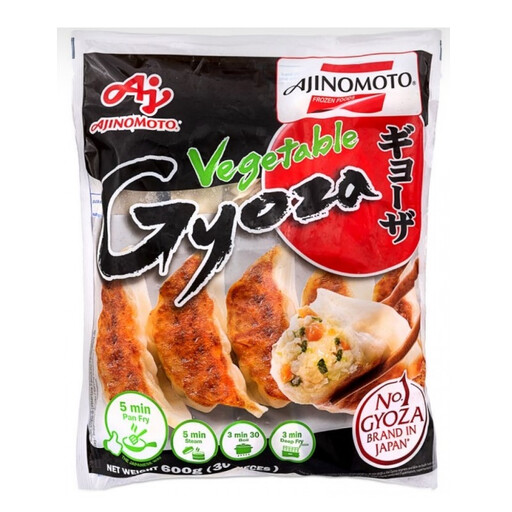
Why this product suits this profile: The pack contains 30 pieces, making it a practical way to discover vegetable gyoza and enjoy several individual meals.
The number of pieces, weight and preparation methods are clearly stated. This makes it easier to plan your supply than with a pack that does not specify the piece count.
30 pieces, a vegetable filling, and preparation by pan-frying, steaming, boiling or deep-frying.
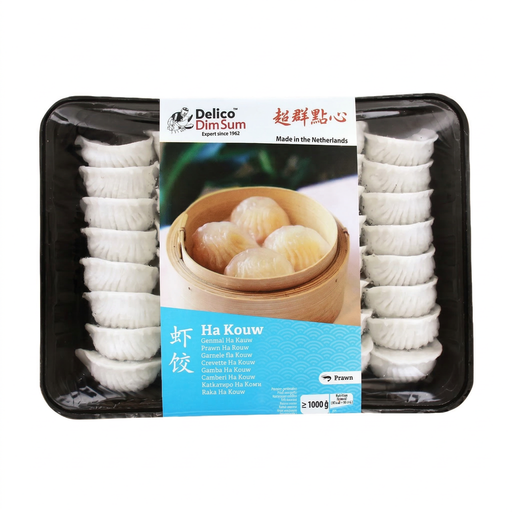
Why this product suits this profile: The product description states that the filling contains 60% prawns and has a translucent wrapper – ideal features for a classic dim sum experience at home.
The stated prawn content makes the filling easy to assess. The recommended preparation is also clearly specified: steam for 8 to 10 minutes from frozen.
1 kg pack, 60% prawns in the filling and steaming straight from the freezer.
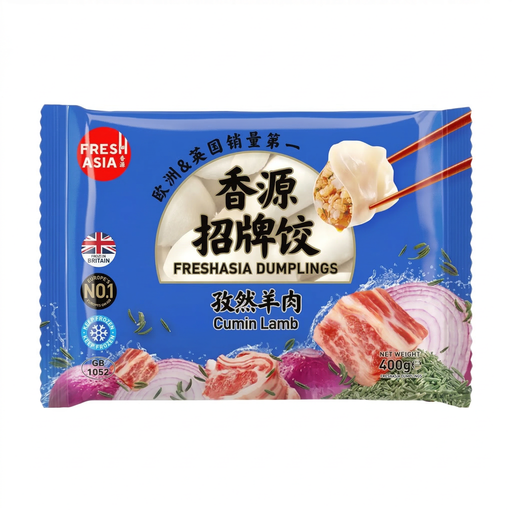
Why this product suits this profile: The lamb filling with cumin appeals to shoppers looking for a distinctive flavour alongside vegetable, chicken and pork dumplings.
The variety is clearly described as a lamb dumpling containing 29.6% lamb and 0.9% cumin. This avoids confusion with meat fillings that are simply seasoned with spices.
Stated lamb content, distinctive cumin seasoning and preparation by boiling, steaming or pan-frying.
We have put together a complete, regularly updated list of products that fully meet these strict selection criteria and the safety regulations applicable in the EU.
For a family or when entertaining, larger packs such as 800 g to 1 kg are suitable, provided you have enough space in the freezer. Single-person households can try different varieties more flexibly with 400 g or 600 g packs. If you often cook under time pressure, choose products that can be prepared without thawing first.
For a mixed selection, vegetable dumplings can be combined with prawn, chicken or pork dumplings. They pair well with soya sauce, rice vinegar, chilli oil or a light broth. When serving guests, you should clearly label allergens and prepare seafood products separately from other dishes.
Most products are placed in the pan, steamer basket or boiling water while still frozen. Gyoza are often pan-fried first and then steamed with a little water. Ha kau and many dim sum products are exclusively or preferably steamed. Always follow the manufacturer's instructions regarding time and temperature.
When stored continuously at −18 °C or below, frozen dumplings are intended to be kept until the best-before date printed on the packaging. Once thawed, they must not be refrozen. Refer to the packaging for the exact shelf life.
The price depends on factors including the filling, pack size, number of pieces, brand and delivery conditions. Comparing the price per kilogram is more useful than looking only at the pack price. You should also check whether refrigerated delivery charges apply and how many servings the pack actually provides.