
Lieferung heute & morgen

Qualitätsgarantie

Willkommens-Angebote freischalten: KOSTENLOSE Lieferung | Bis zu 80 % RABATT | Kostenlose 30-Tage-JoyPlus-Testphase
App herunterladen
Anyone looking to buy frozen products online expects convenient delivery, secure packaging and a choice that goes beyond classic ice cream. Alongside frozen fruit and frozen berries, you can also find mochi ice cream, sorbet, Asian sweets, frozen snacks and frozen cocktails online.
To avoid making the wrong choice, it is worth checking the ingredients, storage requirements, pack size and intended use. The Joybuy Product Recommendation Officer’s selection focuses on clear product information and distinguishes practical benefits from purely promotional claims.
Frozen food generally needs to be stored at -18°C or colder. When ordering online, delivery windows, insulated packaging and the condition of the goods on arrival are therefore important. Products that have already thawed significantly should not simply be refrozen.
Also check the instructions provided by the individual manufacturer. For several products, the guidance is: Do not refreeze after thawing and consume as soon as possible, or store in the fridge as stated on the packaging.
An eye-catching product image says little about the portion size. So compare the net quantity, number of individual pieces and ingredients list. For frozen berries, a 300g pack may be enough for occasional smoothies, while larger bags are more suitable for families or regular baking.
Terms such as ‘fruity’ or ‘natural’ should also be checked against the ingredients. According to the product information, Küstengold Blueberries 300 g consist of cultivated blueberries. Sugar and preservatives are not listed among the stated ingredients. However, the information on the packaging supplied with your order is always definitive.
Milk, soya, nuts, peanuts or cereals containing gluten may be relevant for mochi ice cream, frozen desserts and Asian sweets. According to the product information, a product such as Little Moons Mochi Ice Cream Passion Fruit & Mango contains cashew and soya, and may contain traces of other nuts and peanuts.
The current labelling on the packaging is also decisive for products without any listed major allergens. Recipes and production conditions may change.
For an informed decision, you should compare at least the following details:
Check whether the product must remain frozen at all times or simply be stored somewhere cool and dry. Frozen fruit such as raspberries, blueberries, avocado cubes or jackfruit belongs in the freezer. Some products, including certain frozen confectionery items, should be softened briefly at room temperature before eating.
For mochi ice cream, it is often advisable to leave it to stand for around three to five minutes. Thawing it for too long can alter the texture. Fruit cubes for smoothies or cocktails, on the other hand, can be used straight from frozen.
Before buying, consider whether you need the products for breakfast, baking, desserts, drinks or snacking. Passion fruit pulp in cubes, for example, is ideal for portioning into smoothies, sauces or cocktails. Frozen cocktails such as 24ICE Passion Fruit Martini contain alcohol and are intended exclusively for adults of legal drinking age.
The range also includes complementary items alongside food, such as a Nintendo Switch 2 case for carrying the console. However, this protective case is not a frozen product and should obviously not be stored in the freezer. The same applies to ELFBAR Frozen Berries: according to the product description, this is a disposable e-cigarette containing nicotine, intended exclusively for adults aged 18 and over. It does not belong in the food section.
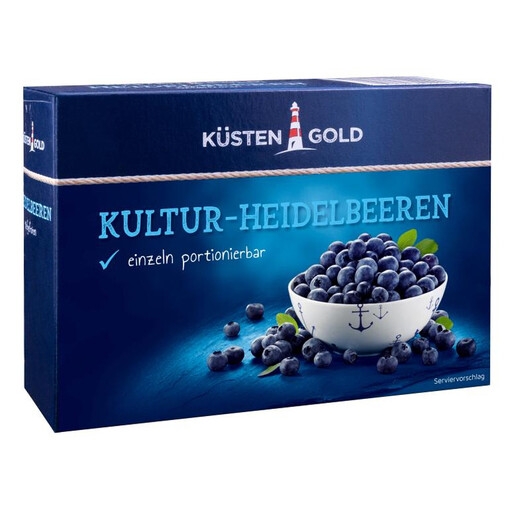
Why this product suits the profile: The 300g pack is a manageable starting point for smoothies, muffins, pancakes or desserts.
The ingredients list names cultivated blueberries as the sole ingredient. This makes the pack easy to compare with flavoured or sweetened fruit mixes.
300 g contents, according to the product information with no added sugar and no preservatives; store at -18°C or below.
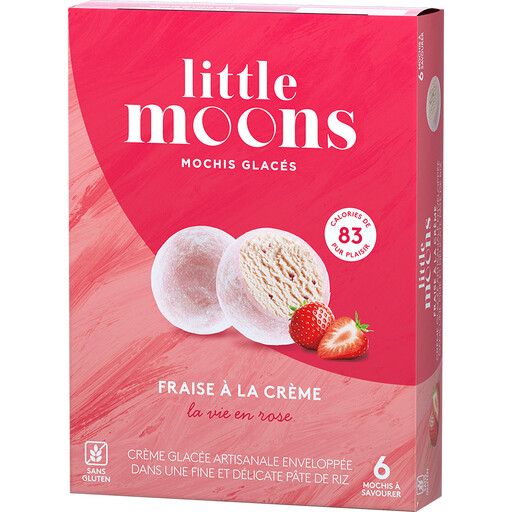
Why this product suits the profile: Six individually portioned mochi combine strawberry and cream ice cream with a soft rice coating, making them ideal for controlled serving.
The pack lists ingredients, allergens and nutritional information, as well as a specific recommendation to leave the product to stand for around five minutes before eating.
6 x 32 g, according to the product information gluten-free and suitable for vegetarians; contains milk and soya.
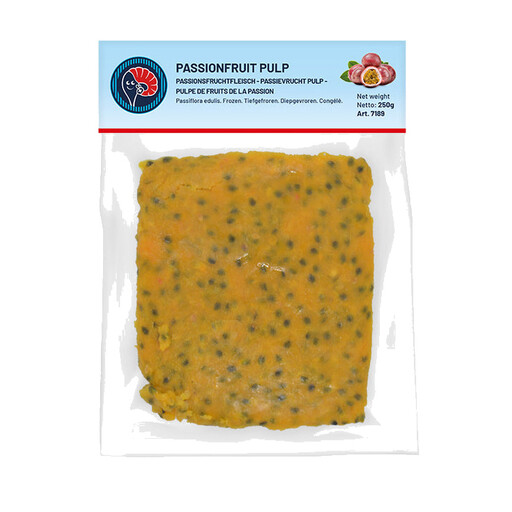
Why this product suits the profile: The portioned cubes are designed for frequent use in smoothies, desserts, sauces and non-alcoholic or alcoholic drinks.
The ingredients list states 100% passion fruit pulp with no additives. The cube format reduces leftover open product compared with large packs that have been fully thawed.
200 g contents, 100% passion fruit pulp according to the product information and easy to portion straight from storage at -18°C.
We have put together a complete, regularly updated list of products that fully meet these strict selection criteria and the safety regulations applicable in the EU.
Frozen goods are usually delivered in insulated packaging. Check the shipment as soon as possible after receiving it. If the goods are completely thawed, damaged or unusually warm, they should not be refrozen without first seeking advice. The retailer’s instructions and the information on the packaging are decisive.
When stored correctly, unopened frozen fruit remains suitable for use until the printed best-before date. Once opened, it should continue to be stored at -18°C or below and should not be refrozen after thawing. With products such as raspberries, additional information about small fruit stones may also be relevant.
The main additional cost comes from using the freezer compartment continuously. Actual electricity costs depend on the appliance, energy efficiency, ambient temperature, how full it is and how often it is opened. For a fair comparison, consider the product prices per 100g, delivery costs and any minimum order quantities together.