
Lieferung heute & morgen

Qualitätsgarantie

Willkommens-Angebote freischalten: KOSTENLOSE Lieferung | Bis zu 80 % RABATT | Kostenlose 30-Tage-JoyPlus-Testphase
App herunterladen
Tired-looking eyes, dry skin and fine lines lead many people to gel eye patches. These small hydrogel patches can easily be incorporated into a morning or evening routine and are often marketed as eye patches for dark circles or eye patches for puffiness. However, products differ considerably in terms of application, ingredients and intended use.
If you focus only on terms such as ‘Collagen’, ‘PDRN’ or ‘Glow’, you may end up buying a product that does not suit your routine. The following points will help you distinguish marketing claims from verifiable product features.
Not every gel pad is intended for the eye area. Hydrogel eye patches are usually shaped to sit beneath the eyes. Gel toner pads or facial toner pads, on the other hand, are designed to be swept over the entire face and should avoid direct contact with the eyes.
A toner pad may be suitable for dry cheeks or the forehead, but it does not automatically replace an eye patch. Before buying, you should therefore be clear about whether you are looking for targeted eye care or a facial skincare product for larger areas.
Terms such as collagen eye patches, PDRN toner pads, niacinamide or hyaluronic acid describe ingredients, not automatically proven effects for every individual user. Cosmetic products can hydrate the skin or leave it feeling smoother. They do not necessarily lead to lasting changes in dark circles, puffiness or wrinkles.
The complete INCI list on the packaging is what matters. Formulations can change. You should therefore compare the product information in the online shop with the label on the item delivered before use.
A jar containing 60 or 70 pads may initially seem practical. However, if the lid is not closed carefully, the liquid may evaporate and the pads may dry out. When using a jar, you should also use the spatula provided, so that as little as possible is transferred directly into the product.
Individually wrapped pads are hygienic and easy to take out, but they create more packaging waste. This difference is just as relevant for frequent users as the number of applications included.
When it comes to the eye area, shape, adhesion and application time are important. A well-fitting hydrogel patch should sit on clean, dry skin without slipping towards the eye. Depending on the product, the recommended application time is usually around 10 to 30 minutes.
If you are looking for quick facial skincare, toner pads may be a good choice. After cleansing, gently sweep them over the face. According to the product description, some varieties can be left on dry areas of skin for a few minutes. The rule is to avoid the eye and mouth area unless the manufacturer specifies otherwise.
If you have sensitive skin, it is worth checking for fragrances, essential oils and plant extracts. Before your first full application, a patch test on a small area of skin is recommended. If you experience burning, redness or itching, stop using the product.
The number of pads is only meaningful in relation to how they are used. With 60 eye patches, there are usually 30 applications when one patch is used per eye. With facial toner pads, one pad generally corresponds to one application.
Pay attention to fill quantity, number of pieces, recommended application time and period after opening. Storing the product in a cool, dry place away from direct sunlight helps preserve its quality. The specific instructions on the packaging take priority.
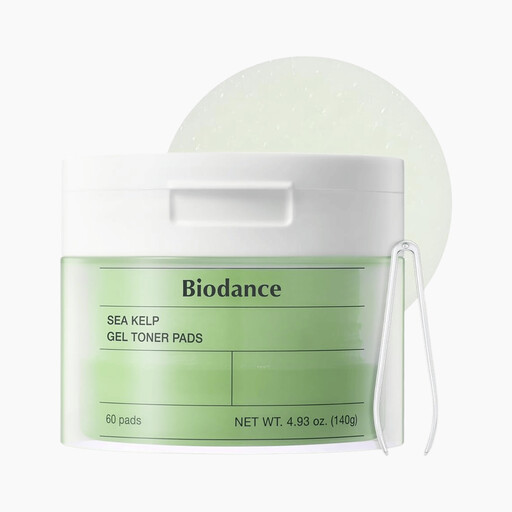
Why this product suits the profile: The 60 facial pads in the 140-g jar are suitable for users looking for straightforward Korean facial skincare after cleansing. According to the product description, the pad can be used as a toner or briefly as a hydrating mask on selected areas of the face.
Clearly categorising it as a facial toner pad prevents confusion with eye patches. The instructions explicitly state that the eye area should be avoided.
60 pads, a gel texture and Laminaria-Digitata water according to the product information; the jar is designed for a regular routine.
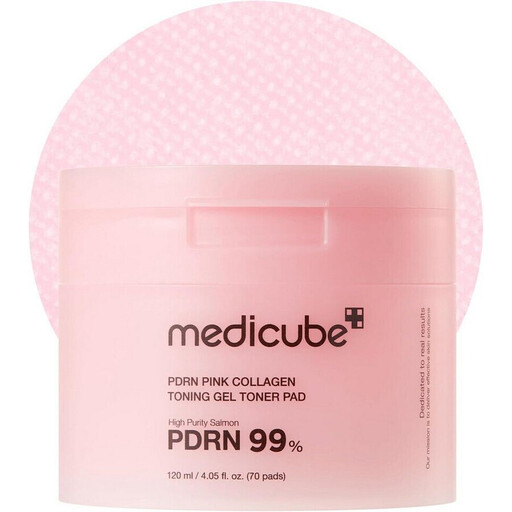
Why this product suits the profile: The combination of PDRN, hydrolysed collagen, niacinamide and adenosine appeals to users who want to combine several skincare benefits in one facial toner pad.
The product description specifies 70 pieces and use as either a pad or a short mask. This makes it easier to plan your routine around the quantity and application time.
70 gel pads and an INCI list containing PDRN, hydrolysed collagen, niacinamide and adenosine according to the product information.
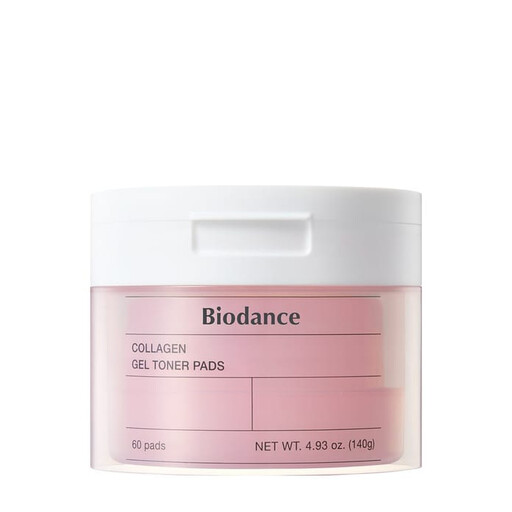
Why this product suits the profile: These hydrogel eye patches are designed for targeted care of the under-eye area. An application time of 15 to 20 minutes fits neatly into a short morning or evening routine.
The clearly defined eye-patch shape reduces the risk of accidentally applying a facial toner pad too close to the eye. The pack contains 60 pads.
Cooling gel texture, collagen according to the product description, and targeted application beneath the eyes.
We have put together a complete, regularly updated list of products that fully meet these strict selection criteria and the safety regulations applicable in the EU.
If the product gets into your eyes, rinse thoroughly with water. Do not use on damaged or irritated skin. If a reaction occurs, stop using the product and seek medical advice if necessary.
The application time depends on the product and is often between 10 and 30 minutes. Leaving them on for longer is not automatically beneficial. The instructions on the packaging or product page are the deciding factor.
Many products are designed for occasional or regular use. The appropriate frequency should be based on skin compatibility, the formulation and the manufacturer’s instructions. If you have sensitive skin, it is sensible to start gradually.
Not as a general rule. Facial toner pads are usually applied while keeping a safe distance from the eye area. For the under-eye area, hydrogel eye patches specifically designed for this purpose are the more suitable product category.