
Lieferung heute & morgen

Qualitätsgarantie

Willkommens-Angebote freischalten: KOSTENLOSE Lieferung | Bis zu 80 % RABATT | Kostenlose 30-Tage-JoyPlus-Testphase
App herunterladen
A good hair clipper not only saves you time but also the recurring cost of trips to the barber. However, the market is crowded, and many devices fail to live up to their advertising promises. The result: messy cuts, pulled hair, and a device that loses power after just a few months.
As your Joybuy Product Recommendation Officer, I'm here to help you distinguish the important features from the trivial ones. This guide will show you the most common pitfalls when buying a hair clipper and what you need to look for to find a suitable and durable model for cutting your own hair.
Many purchasing decisions are based on marketing promises that disappoint in practice. Pay close attention to these three points to avoid buyer's remorse:
To separate the wheat from the chaff, focus on the following three technical parameters. These are the primary determinants of your device's performance and longevity.
The blades are the heart of any hair trimmer. Their quality determines whether hair is cut cleanly or simply pulled.
The choice of power source depends on your personal preferences.
The versatility of a men's hair clipper is reflected in the available cutting lengths.
Instead of making a one-size-fits-all recommendation, we have identified models tailored to specific needs.
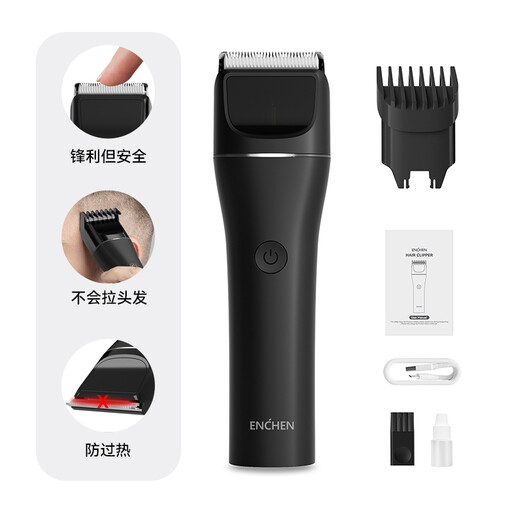
Why This Fits Their Persona: Ideal for users looking for a straightforward and affordable entry-level solution. Operation is intuitive and doesn't require fiddling with numerous separate parts.
The integrated sliding comb (0.7-21 mm) eliminates the problem of wobbly attachments. Fast charging via USB-C bypasses the trap of long waits when the battery is empty.
Easy length adjustment without changing combs. The ceramic blade ensures a clean cut and low heat buildup.
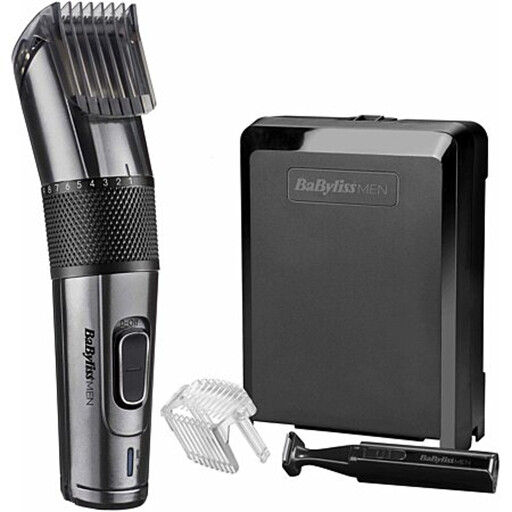
Why This Fits Their Persona: Suitable for users who want a single, versatile device for complete hair and beard grooming and who value precise styling options.
Specialised combs for beard and hair, plus a mini-trimmer for details, solve the problem of imprecise all-in-one solutions. The carbon-titanium blades are designed for durability.
Comprehensive accessory package including a hard-shell case. Length is precisely adjusted via a 360° dial with 26 steps (0.5-25 mm).
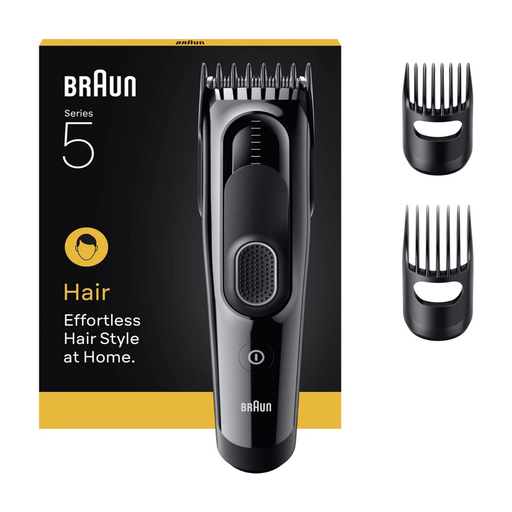
Why This Fits Their Persona: For users who cut hair regularly and value comfort, consistent results, and easy cleaning. A reliable device for continuous use.
The claim of "lifetime sharp blades" (according to the manufacturer) directly targets the pitfall of dull blades. The memory function is a genuine convenience feature that goes beyond empty "pro" promises.
The memory function saves the last used length setting. The device is also fully washable under running water, which greatly simplifies cleaning.
We've compiled a complete, up-to-date list of products that meet these strict selection criteria and European safety standards.
The frequency depends on usage and the model. A general recommendation is to apply a drop of the supplied oil to the blade set after each cleaning, especially after washing the blades. This reduces friction, prevents wear, and maintains cutting performance. Always refer to the manufacturer's instructions in the user manual.
Yes, many modern hair clippers are also suitable as beard trimmers. Look for models that offer a wide adjustment range for short lengths (e.g., from 0.5 mm to 10 mm). Some sets include special, narrower beard combs or a separate precision trimmer, which is particularly helpful for clean contours on the cheeks and neckline.
A long-hair clipper is essentially a hair clipper equipped with attachment combs for particularly long haircuts. While standard devices often have a maximum cutting length of 20 to 25 mm, long-hair clipper models can achieve lengths of 30 mm, 40 mm, or even more. If you want to maintain hairstyles with longer top hair, the maximum cutting length of the attachments is a crucial selection criterion.