
Lieferung heute & morgen

Qualitätsgarantie

Willkommens-Angebote freischalten: KOSTENLOSE Lieferung | Bis zu 80 % RABATT | Kostenlose 30-Tage-JoyPlus-Testphase
App herunterladen
The search for a high-quality Halal Baumkuchen can be more complicated than expected. Many consumers specifically looking for Halal-certified confectionery encounter products that fail to deliver on their promises. Instead of a moment of indulgence, disappointment often follows. To help you with your selection, we will highlight the most common pitfalls and show you which criteria truly matter.
A common problem is an unclear or missing Halal certification. Products are vaguely advertised as "muslim-friendly" without providing proof from a recognised certification body. Another point of criticism is the texture. With pre-packaged cakes in particular, there is a risk of receiving a dry, crumbly cake when a soft cake was expected. Finally, the information on origin can also be misleading and may not reflect the expected quality of a traditional pastry or an authentic Japanese Baumkuchen.
To make an informed purchasing decision, it is advisable to check three core criteria. These will help you objectively evaluate a product's quality and separate marketing promises from facts.
A credible Halal certification is the most important criterion for many buyers. Instead of relying on general descriptions, you should look for the official seal of a recognised certification body on the packaging. For imported Japanese sweets like the Taiyo Baumkuchen, this would be the logo of the Japan Islamic Trust (JIT), for example. This type of labelling ensures that the production processes and ingredients comply with Halal guidelines. Products without such a seal do not offer comparable assurance.
The texture of a Baumkuchen is crucial for the experience. A look at the ingredient list provides clues as to whether a soft cake can be expected.
A good Halal layer cake should retain its freshness until consumption. An individual, airtight package is ideal for this purpose. It protects the cake from drying out and from external influences. This is particularly relevant for imported products that have longer transport routes. Thoughtful packaging is often a sign that the manufacturer values the quality of their final product.
Based on the criteria mentioned, we have identified some products that are suitable for different preferences.
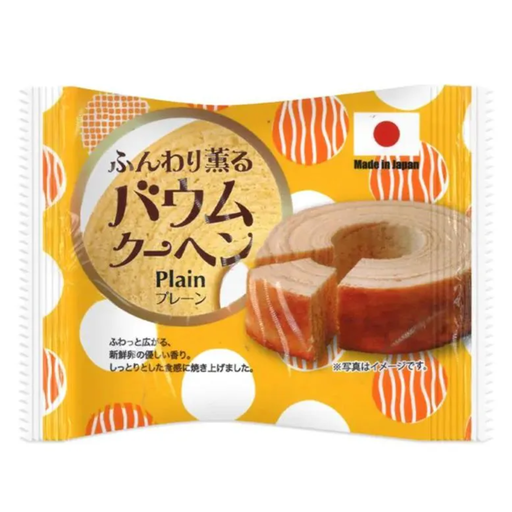
Why this product is a good fit: Ideal for anyone seeking the pure, unadulterated taste of an original Baumkuchen. The soft, moist texture is that of a classic Japanese Baumkuchen, offering an authentic experience.
The product carries a clear Halal certification from the Japan Islamic Trust (JIT). The ingredient list, including egg and humectants, counteracts the risk of a dry cake.
Classic flavour and a demonstrably soft texture. The individual packaging guarantees freshness.
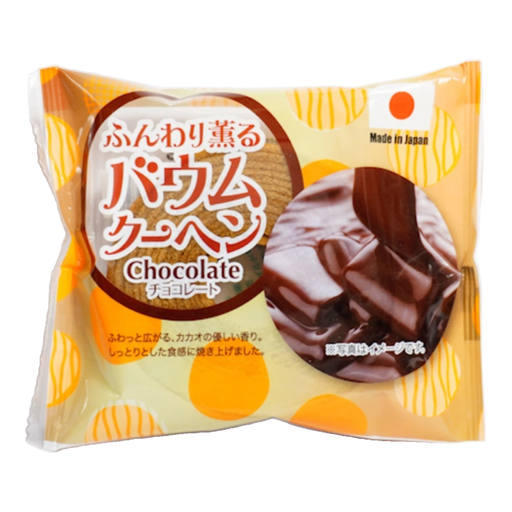
Why this product is a good fit: For everyone who appreciates the combination of moist cake and intense chocolate flavour. A successful, not-too-sweet variation on the classic.
This version is also certified as Halal by the Japan Islamic Trust. The included cocoa powder provides an authentic taste, while the recipe ensures a soft consistency.
Rich chocolate flavour in a certified Halal cake. Ideal as a snack for any time of day.
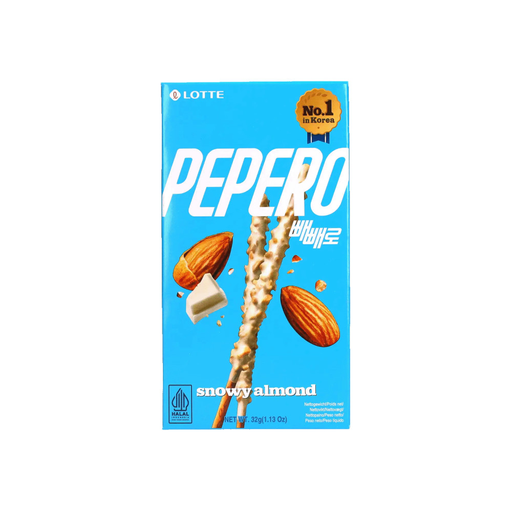
Why this product is a good fit: For anyone who wants to try other Halal-certified Japanese sweets besides cake. The crispy almond sticks offer a welcome textural change.
The product is explicitly labelled as Halal and offers a clear alternative to cake, thus avoiding the specific "dry cake" trap. It expands the selection of reliable Halal snacks.
Crispy texture with almond and chocolate flavour. A great addition for anyone who enjoys buying Halal cakes and wants to expand their assortment.
If you want to discover more Halal-certified products that meet our quality criteria, you can find additional options in our curated selection.
To preserve its moist texture, you should store the Baumkuchen unopened in a cool, dry place, protected from direct sunlight. After opening, it is recommended to keep the cake in an airtight container and consume it within a few days to prevent it from drying out.
The Japanese Baumkuchen has its roots in the German original but has evolved in Japan into its own distinct and very popular sweet. Japanese versions are often known for their particularly soft, moist, and less sweet character. They are frequently offered as individually wrapped portions, like the Taiyo Baumkuchen.
You can recognise a reliable certification by the official logo of a recognised Islamic organisation on the product packaging. Vague phrases like "suitable for Muslims" without a corresponding seal are less meaningful. Look for the labelling of institutions like the Japan Islamic Trust (JIT) or other internationally recognised bodies to ensure you are buying a verified product.