
Lieferung heute & morgen

Qualitätsgarantie

Willkommens-Angebote freischalten: KOSTENLOSE Lieferung | Bis zu 80 % RABATT | Kostenlose 30-Tage-JoyPlus-Testphase
App herunterladen
A communal hot pot is more than just a meal; it's a social dining experience. However, the preparation can quickly become overwhelming. Choosing the right hot pot ingredients is crucial, and mistakes in selection can compromise the final result. Many people end up with meat that turns tough or with ingredients that barely absorb the flavour of the broth.
This guide will help you navigate the common pitfalls of shopping for hot pot. We focus on the objective criteria that truly matter for a successful at-home hot pot experience, so you can find the perfect products with confidence.
Before we dive into recommendations, it's important to understand the most common issues that can arise during your shopping trip.
To avoid these mistakes, you should pay attention to a few key parameters. These will help you objectively assess the quality and suitability of Asian frozen foods and other ingredients.
For many, the most important ingredient is the meat. Whether for a Chinese hot pot or Japanese shabu-shabu beef, the following points are critical:
A hot pot is defined by its broth. Therefore, ingredients that can absorb it well are essential.
High-quality Asian frozen foods are often the more practical and superior choice for a successful hot pot. The IQF (Individually Quick Frozen) method is a key quality indicator here. This process involves freezing ingredients individually and very rapidly at extremely low temperatures. This prevents the formation of large ice crystals that would destroy the food's cell structure. The result: the meat remains more tender after thawing, and the ingredients don't stick together in an unmanageable block.
Here are some product suggestions tailored to different needs and preferences.
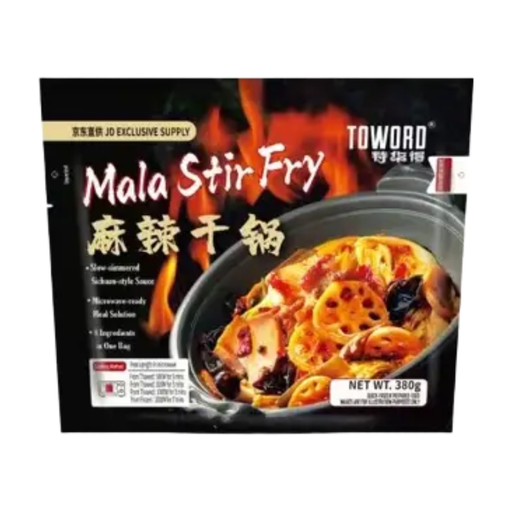
Why it's a great fit: Ideal for anyone looking for an authentic hot pot experience without the hassle. This hot pot set includes a balanced mix of vegetables, tofu, and a spicy Sichuan broth.
The ingredient mix is already optimised. This helps you avoid the problem of buying components that don't match or harmonise in flavour.
A complete package including broth and ingredients. According to the manufacturer, it's ready in about 5 minutes.
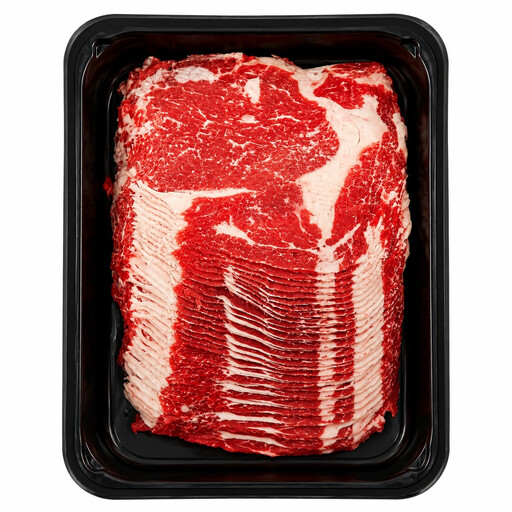
Why it's a great fit: For those who prioritise meat quality above all else. Rib-eye is renowned for its tenderness and marbling, making it an excellent choice for hot pot and sukiyaki ingredients.
This product directly addresses the problem of tough meat. The cut (rib-eye) and the precise cut thickness of 1.2 mm are optimised for quick cooking.
Consists of 100% beef. The fine marbling ensures a juicy and flavourful bite.
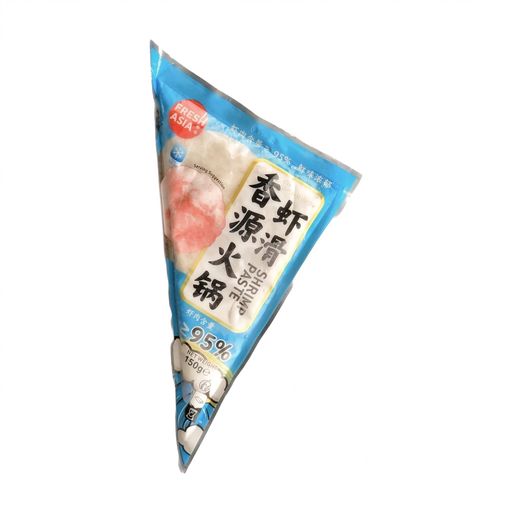
Why it's a great fit: For cooks who want to create an authentic experience with diverse textures. This shrimp paste allows you to make fresh, springy shrimp balls right at the table.
This product goes beyond standard ingredients, preventing a one-dimensional hot pot by adding a unique texture and an intense seafood flavour.
According to the manufacturer, the product consists of 95% shrimp, ensuring a pure and intense flavour. The convenient packaging makes portioning easy.
We have compiled a comprehensive, up-to-date list of products that fully meet these strict selection criteria and comply with German food regulations.
Thinly sliced meat (1-2 mm) requires very little time in a boiling broth. As a rule, it's cooked as soon as its colour changes from red to brownish-grey, which often takes only 10 to 20 seconds. Overcooking should be avoided, as it will make the meat tough.
It is generally not recommended to refreeze food that has been thawed, especially meat and seafood. This can degrade the quality (texture and taste) and increase the risk of bacterial growth. Plan your needs accordingly and only thaw the amount you intend to use.
Although both are based on the principle of cooking ingredients in a tableside broth, there are differences. Chinese hot pot is often characterised by bold, complex, and sometimes very spicy broths (e.g., based on Sichuan peppercorns). A wide variety of ingredients are used. Shabu-shabu, on the other hand, typically features a very mild, simple broth (often kombu-based). The focus here is more on the high quality of the very thinly sliced meat and the accompanying dipping sauces (ponzu and sesame sauce).