
Lieferung heute & morgen

Qualitätsgarantie

Willkommens-Angebote freischalten: KOSTENLOSE Lieferung | Bis zu 80 % RABATT | Kostenlose 30-Tage-JoyPlus-Testphase
App herunterladen
Instant coffee is practical when you want a cup of coffee without a coffee machine, filter or long waiting time. At the same time, soluble coffee, instant espresso, coffee sticks and coffee concentrate can differ considerably in their ingredients, portion sizes and preparation methods. If you focus only on terms such as “Gold”, “Espresso” or “intense”, it is easy to overlook important details.
Instant espresso is made by pouring over hot water and does not require an espresso machine. The result can be aromatic and full-bodied, but the preparation method is not the same as freshly extracted espresso with crema from a machine. So first consider whether you are looking for soluble espresso for a quick cup, or a base for a latte macchiato and tiramisu.
A jar of soluble coffee can consist of almost 100 per cent coffee. 2-in-1 coffee sticks, on the other hand, often contain whitener, sugar, fats, milk ingredients and additives. According to the product information, Nescafé 2in1 Soluble Coffee Sticks consist of 81 per cent coffee whitener and 19 per cent soluble coffee. If you want to avoid sugar or certain allergens, check the ingredients list and nutritional information.
A 100-g jar may be suitable for home use, while individually portioned coffee sticks are more practical when you are out and about. For a fair comparison, look at the price per 100 grams and the number of cups. With sticks, the number of grams per portion also matters. A product containing 2.8 g per stick is easier to measure, but depending on how strong you like your coffee, you may need a larger quantity.
For a pure coffee flavour, products made with 100 per cent soluble coffee are particularly straightforward. This includes freeze-dried varieties without sugar or coffee whitener, for example. With coffee mixes, it is worth checking the order of the ingredients: the ingredient listed first is present in the greatest quantity.
Also look out for allergens such as milk and soya. Milk ingredients and soya are expressly listed for AGF Blendy Stick Espresso au Lait Less Sugar. The product also contains 2 per cent sugar and sweeteners, including aspartame. The statement that it is a source of phenylalanine is relevant to people with phenylketonuria.
Freeze-dried coffee is made using a process in which coffee extract is frozen and dried. However, the description alone does not determine whether you will personally enjoy the flavour. The coffee content, dosage and preparation instructions are more important.
For soluble coffee in a jar, the usual recommendation is one to two teaspoons per cup. Use hot, but not boiling, water. Excessively high temperatures can affect the flavour. An airtight lid protects the powder from moisture and loss of aroma.
Not every instant product dissolves equally well in cold water. According to the product information, some products are specifically suitable for hot or cold water or milk. When making iced coffee, it is helpful to dissolve the powder in a little hot water first, then add ice or cold milk.
Liquid coffee concentrate, on the other hand, is mixed directly with water, milk or ice. Portioning is quick, although you should follow the quantity recommended on the label. Sugar-free varieties may suit people looking for a drink without added sugar. “Sugar-free” refers to the ingredients and nutritional information, and does not automatically indicate a particular flavour or caffeine content.
The following products meet different requirements: from a classic jar for home use and instant espresso to portioned sticks and cold coffee drinks.
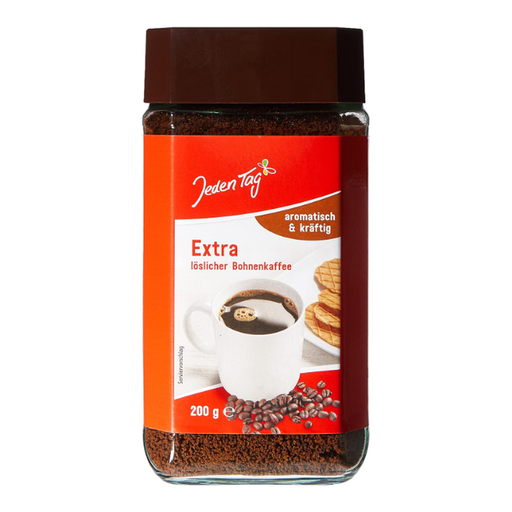
Why this product suits this profile: The 100-g jar is suitable for making coffee regularly at home or in the office. According to the product information, it consists of 100 per cent freeze-dried instant coffee.
The ingredients list does not include coffee whitener or added sugar. This makes it easier to compare the contents clearly with coffee mixes.
100-g jar; stated to be made in Germany; dosage of one to two teaspoons per cup.
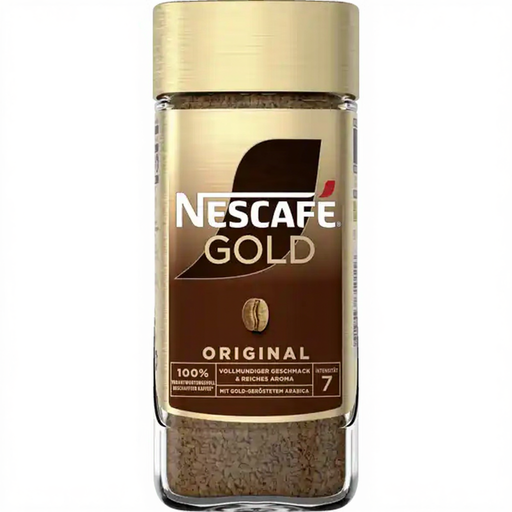
Why this product suits this profile: According to the product description, the blend combines Arabica and Robusta beans. The freeze-dried soluble coffee is intended for cups prepared at home or in the office.
The ingredients are clearly specified as 97 per cent soluble coffee and 3 per cent roasted and ground coffee.
100-g jar; preparation with one to two teaspoons; according to the product information, without the listed gluten-containing cereals, milk, nuts and other allergens.
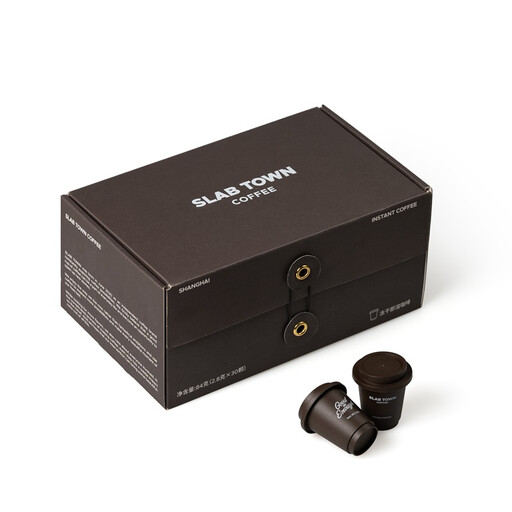
Why this product suits this profile: The 30 individual portions are suitable for the office, travelling and use in different locations. According to the product information, each portion contains 2.8 g of coffee and can be prepared with 200 ml of hot or cold water or milk.
The individual portions help prevent the powder quantity from being overestimated, as is often the case. The coffee is also listed as 100 per cent coffee powder according to the product information.
30 sticks with a total of 84 g; no allergens listed according to the product information; suitable for hot and cold preparation.
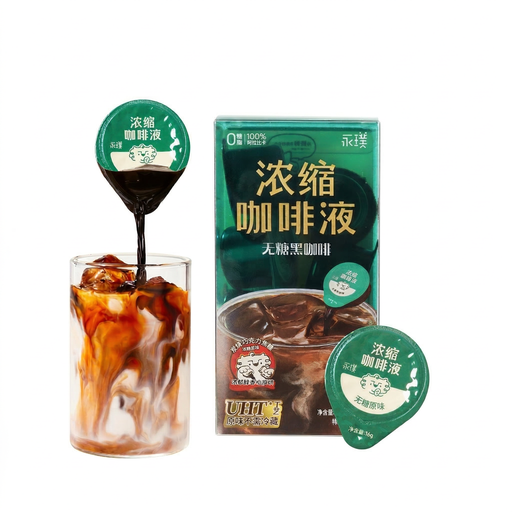
Why this product suits this profile: According to the product information, the liquid coffee concentrate is sugar-free and can be combined with hot water, ice or milk. This makes it suitable for iced coffee and quick espresso drinks without powder.
The liquid format avoids clumping when mixed into cold water. The “sugar-free” claim also distinguishes the product from sweetened coffee drinks.
126-g bottle; suitable for hot and cold drinks; stated to contain no sugar.
We have put together a complete, regularly updated list of products that fully meet these strict selection criteria and the safety regulations applicable in the EU.
Depending on the product, add around one to two teaspoons or one stick to a cup. Top up with hot, non-boiling water and stir thoroughly. For portioned products such as Nescafé 2-in-1, the 150 to 180 ml of water stated on the packaging is the relevant amount.
When unopened, the shelf life is determined by the best-before date on the packaging. Once opened, jars should be stored in a dry, cool place and kept tightly closed. Some product information recommends consuming the coffee within four to six weeks of opening to keep its aroma and free-flowing texture as stable as possible.
That depends on the product. Coffee sticks explicitly described as suitable for hot or cold water can be mixed directly with cold water. With powder, it is best to use a small amount of warm water first to dissolve it. Liquid coffee concentrate is particularly convenient for iced coffee, as it can be mixed directly with ice, water or milk.