
Lieferung heute & morgen

Qualitätsgarantie

Willkommens-Angebote freischalten: KOSTENLOSE Lieferung | Bis zu 80 % RABATT | Kostenlose 30-Tage-JoyPlus-Testphase
App herunterladen
Instant coffee sticks are practical for the office, travelling, at home or for coffee on the go. Each stick contains a single portion, requires neither a coffee machine nor a filter, and can be prepared with hot water. Even so, the products differ considerably in terms of coffee content, sugar, sweeteners, milk ingredients and portion size.
If you only consider the brand name or flavour profile, you can quickly end up buying a blend that does not suit your drinking habits. The following criteria will help you assess marketing claims objectively.
3-in-1 coffee sticks combine instant coffee, milk or creamer ingredients and sugar in a single portion. However, the coffee content can vary considerably. According to the product information, Jacobs 3in1 Mild contains 6.8% coffee, while Jacobs 3in1 Strong has a distinctly different composition, with 20% instant coffee. Both products belong to the same product family but are aimed at different taste preferences.
A strong flavour does not automatically mean less sugar. According to the stated information, Jacobs 3in1 Strong contains around 7.2 g of sugar per stick. Jacobs 3in1 Mild has a sugar content of 64 g per 100 g, according to the nutritional table. If you prefer less sweet drinks, you should therefore check the ingredients list and nutritional information rather than relying solely on terms such as “intense”, “creamy” or “mild”.
Many instant coffee sticks contain milk protein, skimmed milk powder, lactose or milk minerals. Soya may also be present in creamer powders or as an emulsifier. In the case of allergies and intolerances, the labelling on the retail packaging is the deciding factor. This also applies to varieties with chocolate, hazelnut flavouring or cappuccino.
Pure coffee portions without sugar or milk powder are suitable for a classic black coffee. According to the product description, Jacobs Krönung Instant Coffee Sticks contain 100% coffee and are prepared individually with water.
If you prefer instant coffee with milk and sugar, you will find 3-in-1 blends. For chocolatey drinks, consider cappuccino sticks, Milka varieties or café mocha blends. A higher coffee content may indicate a more pronounced coffee note, but it cannot replace a personal taste test.
Compare the information per portion, not just per 100 g. Depending on the product, a typical preparation uses around 150 ml of hot water. For varieties containing sugar, the energy content per stick is often around 40 to 50 kcal; the exact amount depends on the stick weight.
According to the ingredients information, products such as AGF Blendy Espresso au Lait Less Sugar use 2% sugar as well as sweeteners. According to the product description, the Café au Lait Unsweetened variety contains no added sugar and includes milk ingredients. In the case of aspartame, the reference to a source of phenylalanine is relevant; people with phenylketonuria should follow the information on the packaging.
Not all sticks are the same size. Examples range from 1.8 g for pure instant coffee to around 14 g for creamy cappuccino blends. You should therefore check:
Individually wrapped coffee portions are hygienic and space-saving when you are out and about. Once opened, outer bags or boxes should be stored in a dry, cool place away from direct sunlight.
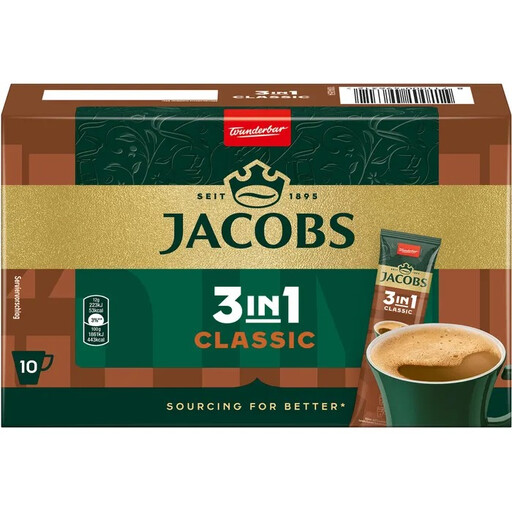
Why this product suits the profile: The combination of instant coffee, creamer and sugar is designed as an uncomplicated introduction to portioned coffee. According to the product information, the blend contains 8% instant coffee and 54% sugar.
The ingredients and nutritional information make it clear that this is a sweet 3-in-1 blend rather than pure coffee.
Individual portions, preparation with hot water and a clearly described 3-in-1 composition.
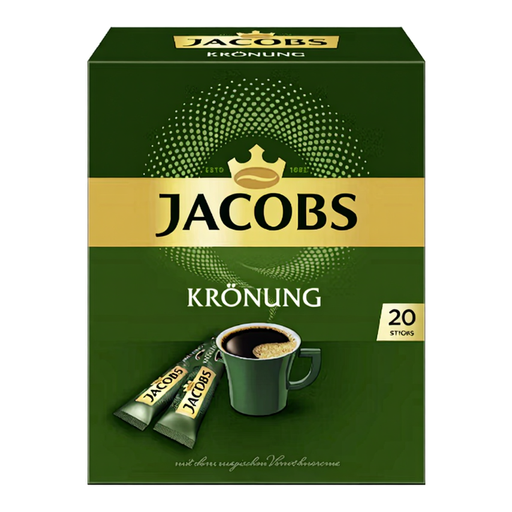
Why this product suits the profile: If you prefer to add your own sugar and milk, the product description states that these individually portioned sticks contain freeze-dried instant coffee made from coffee beans, without additives requiring declaration.
The small individual portion prevents an opened multipack from being exposed to moisture over an extended period.
20 sticks, each containing 1.8 g, with flexible quantities of water, milk or sugar.
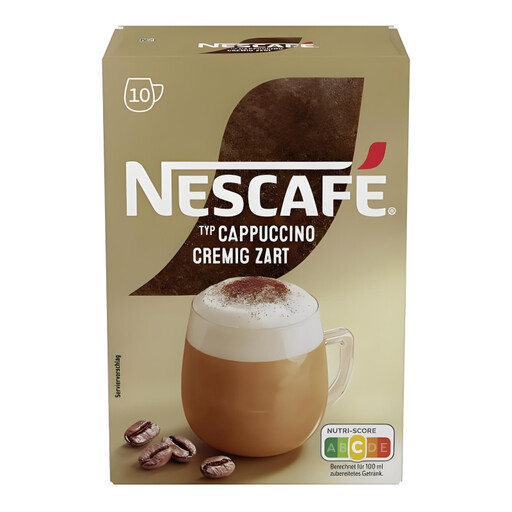
Why this product suits the profile: The 14 g portions are suitable for people looking for a creamy cappuccino drink at work, when travelling or for coffee on the go. The recommended preparation uses around 150 ml of hot water.
The packaging states the coffee content of 7.6%, along with around 6.0 g of sugar and 45 kcal per portion.
10 individually wrapped portions and a specific quantity recommendation for preparation.
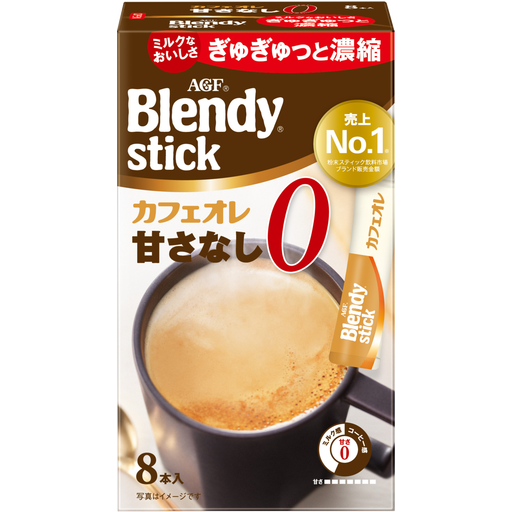
Why this product suits the profile: According to the product description, this variety contains no added sugar and combines 10% instant coffee with milk ingredients. It is suitable for people who prefer to decide how sweet their drink should be.
The name “Unsweetened” is supported by the stated ingredients list; milk and soya should still be taken into account as allergens.
8 individual portions, 10% instant coffee and no added sucrose according to the product information.
We have put together a complete, regularly updated list of products that fully meet these strict selection criteria and the safety regulations applicable in the EU.
For most coffee sticks, a kettle is all you need. Empty the stick into a cup, add the quantity of water stated on the packaging and stir thoroughly. Water that is too hot can affect the flavour and drinking temperature; several products specifically recommend hot, non-boiling water.
Ongoing costs are easy to calculate:
3-in-1 products make preparation costs easier to predict because the sugar and milk components are already included. With pure instant coffee, the recipe remains more flexible.
That depends on the recipe. Around 150 ml of hot water is often recommended for cappuccino and latte sticks. Pure coffee portions can be dosed to taste. The manufacturer’s instructions on the relevant packaging should take priority.
The best-before date is printed on the packaging. Unopened sticks should be stored in a dry, cool place, protected from heat and direct sunlight. Damaged or damp portion sachets should not be used.
No. Many blends contain sugar, milk ingredients and caffeine. If you have allergies, intolerances or particular sensitivity to caffeine, you should check the ingredients and warning information. The current details on the product packaging are decisive, as recipes may change.