
Lieferung heute & morgen

Qualitätsgarantie

Willkommens-Angebote freischalten: KOSTENLOSE Lieferung | Bis zu 80 % RABATT | Kostenlose 30-Tage-JoyPlus-Testphase
App herunterladen
Japanese curry, also known as Kare Raisu, is a cornerstone of everyday Japanese home cooking. It stands apart from its Indian or Thai counterparts with its thick, gravy-like consistency and deep, sweet-and-savory flavour profile. However, the growing selection on the market can make purchasing a challenge. Not every product promising an "authentic" experience delivers the desired taste. This guide will help you navigate common purchasing pitfalls and find the right product for your needs.
Navigating the array of curry products can lead to disappointing purchases if you don't pay attention to the details. Here are three common pitfalls:
To avoid a bad buy, you should check two fundamental parameters. These are the primary determinants of the product's flavour, effort, and suitability.
The most important distinction lies in the preparation method. Both formats have their place, but they cater to different users.
Curry Roux (Curry Cubes): This is the traditional format. It consists of solid blocks made from flour, fats, spices, and flavourings. You break off pieces from the block and dissolve them in hot water or broth after searing your meat and vegetables.
Ready-Made Curry (Retort Pouch): This is a fully cooked curry sauce, often including vegetables like potatoes and carrots, delivered in a sealed pouch. Preparation is exceptionally simple: place the pouch in boiling water for a few minutes or heat the contents in the microwave.
Japanese curries are typically offered in clearly defined heat levels, which are indicated on the packaging.
Here are some recommendations tailored to specific needs and lifestyles.
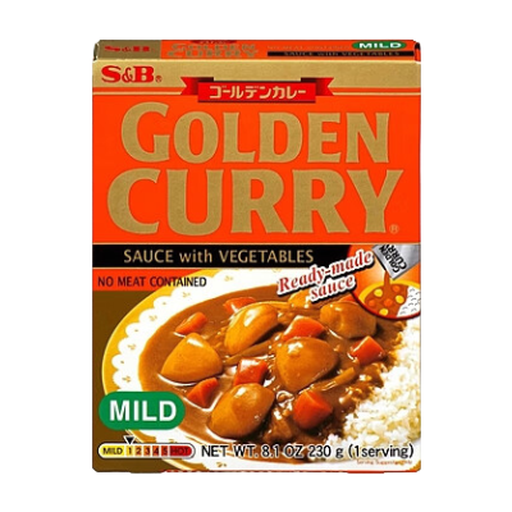
Why This Fits Their Persona: Ideal for a quick, no-fuss meal after a long day at work or between lectures. Simply heat the pouch and pour over rice—a warm meal with zero cooking effort.
This ready-made curry solves the "wrong preparation format" problem. It is perfectly tailored to the need for a quick, single-serving meal.
Already contains tender pieces of potato, carrot, and onion. The mild seasoning is widely appealing and pleasant.
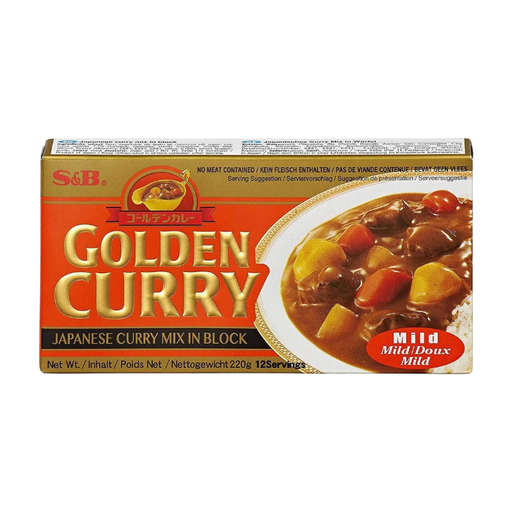
Why This Fits Their Persona: This curry roux block is the foundation for a home-cooked family meal. It allows you to add fresh vegetables and your choice of protein, and the mild recipe is kid-friendly. The large pack is economical for multiple servings.
Avoids the "false authenticity" pitfall. S&B Golden Curry offers a classic flavour profile, popular in Japan, that serves as a dependable base for a homemade dish.
Fully customisable and cost-effective for preparing larger quantities. The mild recipe is a safe bet for accommodating different taste preferences.
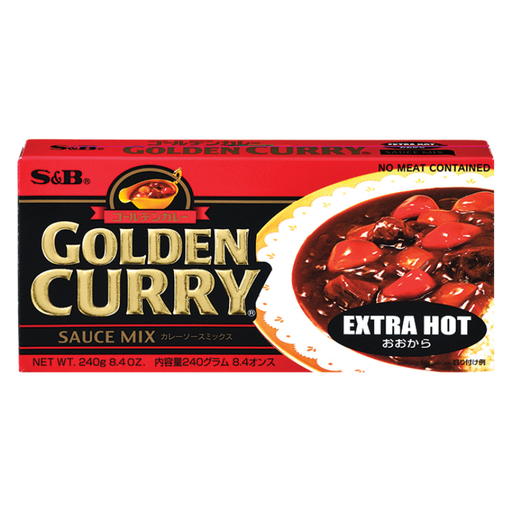
Why This Fits Their Persona: For those who find "hot" isn't hot enough. This version delivers an intense, fiery heat from an increased amount of chilli and pepper without overpowering the classic, rich curry flavour.
This product delivers on its promise. It provides significant heat, avoiding the disappointment of buying a "hot" product that turns out to be mild.
Offers a robust and piquant flavour experience. As a roux block, it still allows for flexible combination with your own ingredients.
We've compiled a complete, up-to-date list of products that fully meet these strict selection criteria and local food safety regulations.
Once opened, the remaining roux block should be stored in an airtight container in the refrigerator. This will help it retain its flavour and quality for several weeks. It is advisable to check the specific instructions on the product packaging and to use the block promptly.
Yes, this is entirely possible. Many curry roux products, such as S&B Golden Curry, are suitable for vegetarian preparation as they do not contain animal fats. Check the ingredient list to be sure. Instead of meat, you can use tofu, chickpeas, lentils, or a variety of vegetables. For ready-made curries, there are versions explicitly labelled as "vegetarian."
The three types of curry differ fundamentally in their base, consistency, and flavour profile.