
Lieferung heute & morgen

Qualitätsgarantie

Willkommens-Angebote freischalten: KOSTENLOSE Lieferung | Bis zu 80 % RABATT | Kostenlose 30-Tage-JoyPlus-Testphase
App herunterladen
By the Joybuy Product Recommendation Officer, August 30, 2026
Sausages in a jar or can are a staple in many German pantries. They promise a quick, hassle-free meal and often evoke memories of traditional home cooking. However, several pitfalls await at the point of purchase, ranging from disappointing flavour to inferior quality. Before you add your next package of shelf-stable sausages to your cart, you should know the most common mistakes that lead to a bad buy.
A common issue is misleading labelling. A product marked "Frankfurter-style" is not the same as a genuine Frankfurter Würstchen and is subject to different production standards. Another pitfall is low meat content, which is often masked by fillers like starch or a high water content. This not only compromises the taste but also the nutritional value. Finally, unclear or excessively long ingredient lists with numerous additives can be a sign that the quality of the base product is lacking.
To ensure you get a quality product that meets your expectations, you should check three core parameters. These objective criteria will help you separate the wheat from the chaff.
The deciding factor for taste and quality is the meat content. A look at the ingredients list is essential here. Products with a high meat content (often 70% or more) typically offer a better flavour experience. Pay attention to which types of meat are used (e.g., pure pork or beef) and where they appear on the list. Ingredients are listed in descending order by weight. If water or starch is high on the list, it's often a sign of a product bulked up with fillers.
For many enthusiasts, the crisp sound of biting into a sausage is an inseparable part of the experience. This characteristic "snap" is achieved by using natural casings (usually sheep or pork intestine). Products filled in artificial casings (e.g., made from collagen) may have a softer texture. The packaging or product description usually indicates which type of casing was used. If the bite is important to you, you should specifically look for sausages in natural casings.
Shelf-stable sausages require certain additives for preservation and stabilisation. These often include:
These substances are safe for consumption in approved amounts, but their presence and quantity can provide insight into the manufacturing process. Also, pay attention to the labelling of allergens like mustard, celery, or milk if you or members of your household have intolerances.
Based on these objective criteria, we have identified a few products suitable for different needs and preferences.
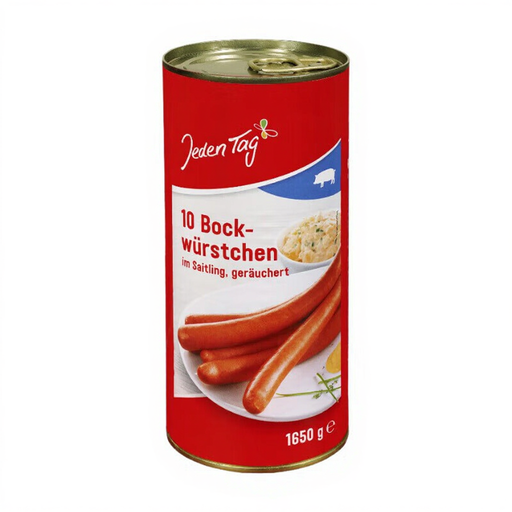
Why it's a good fit: Ideal for families or individuals looking to build a solid pantry stock. The canned packaging ensures a long shelf life, and the large quantity offers excellent value for money for everyday needs.
With a declared meat content of 80% pork, this product bypasses the trap of low meat content. The ingredient list is transparent and focused on the essentials.
The use of sheep casing (natural casing) and smoking over beechwood provide a classic taste and the desired "snap". The packaging as canned sausages maximises shelf life.
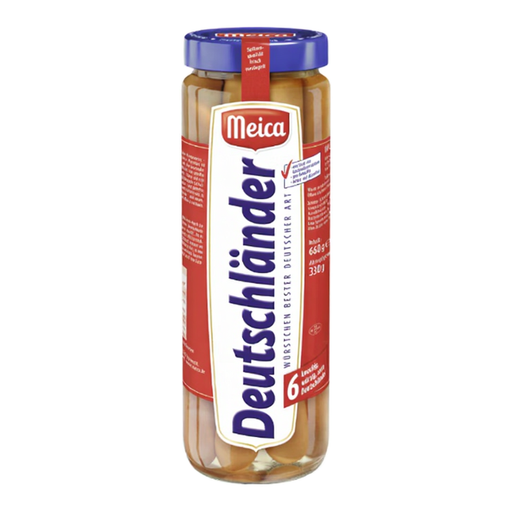
Why it's a good fit: For those who rely on the familiar taste of an established brand. Meica sausages represent consistent quality and a flavour that many consider the benchmark for Bockwurst.
The Meica brand values clear labelling. The recipe has been proven for years and avoids the use of unnecessary fillers, resulting in an authentic and predictable taste experience.
Made from 72% pork and smoked over beechwood. Preservation in brine maintains the juicy texture and bite. A reliable product for a quick meal.
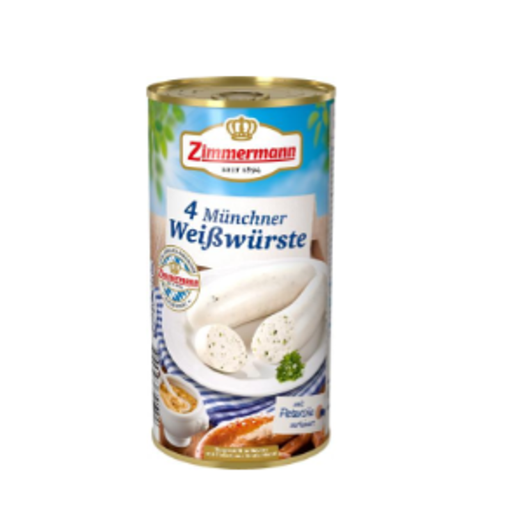
Why it's a good fit: For gourmets who don't want to compromise on authentic, regional flavour, even with canned goods. These canned white sausages bring a Bavarian speciality to your kitchen with a long shelf life.
This product avoids the "misleading label" trap as it is a genuine Munich speciality. The recipe, with fresh parsley and a hint of lemon, is clearly defined and not comparable to a standard Bockwurst.
Made with 75% pork according to the traditional recipe of a former Royal Bavarian Court Supplier. Offers a unique flavour profile that stands out distinctly from other canned sausages.
We have compiled a complete, up-to-date list of products that fully meet these strict selection criteria and German food regulations.
The most common mistake is boiling the sausages, which can cause the natural casing to burst. The correct method is to heat the sausages only in hot, not boiling, water. Bring water to a boil in a pot, remove the pot from the heat, and place the sausages in it for about 5 to 10 minutes until they are heated through. Some manufacturers recommend heating the sausages in their own brine. For this, refer to the preparation instructions on the packaging.
Before opening, inspect the packaging. For jars, the lid must be tightly sealed and should not pop in the middle when pressed (vacuum seal check). For cans, ensure they have no dents, rust, or bulges. After opening, trust your senses: an unpleasant or sour smell, a slimy surface, or a change in colour are clear signs that the product should no longer be consumed.
Although they are often used interchangeably, there are traditional differences: