
Lieferung heute & morgen

Qualitätsgarantie

Willkommens-Angebote freischalten: KOSTENLOSE Lieferung | Bis zu 80 % RABATT | Kostenlose 30-Tage-JoyPlus-Testphase
App herunterladen
The online selection of lemon soda is vast, but not every lemon-flavoured soft drink delivers on its promise. Between tempting labels and opaque ingredient lists, making an informed decision is often difficult. Many buyers only realise after opening the bottle that the taste is artificial, the sugar content is unexpectedly high, or the value for money on a bulk pack isn't what it seemed. This guide will help you avoid these common pitfalls.
Common Mistakes When Buying Lemon Soda:
To find the right lemon soda, a close look at the label is essential. Three core characteristics largely determine its quality and taste.
The distinction between full-sugar, reduced-sugar, and sugar-free varieties is fundamental.
The taste of a lemon soda is determined by its fruit content and the type of flavourings used.
The choice of packaging affects both freshness and convenience.
Instead of making a one-size-fits-all recommendation, we have matched products to specific needs and taste preferences.
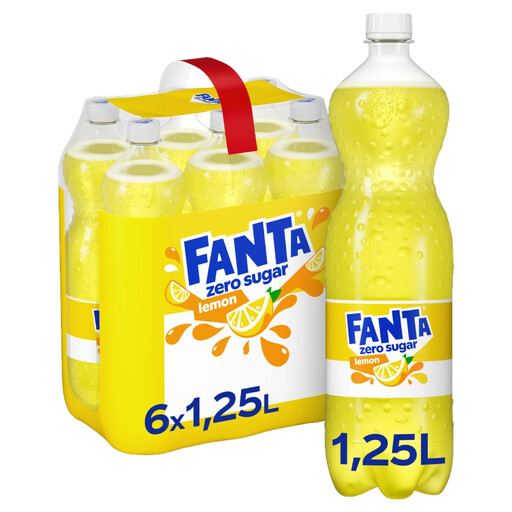
Why This Fits Their Persona: Ideal for anyone who wants full lemon flavour without the sugar and calories. The large multi-pack is convenient for families or for stocking up at home.
The "Zero" label is unambiguous and delivers what it promises: no sugar and virtually no calories. This sidesteps the trap of misleading "light" designations.
Contains 1% lemon juice from concentrate and natural flavours, according to the manufacturer. The 1.25-litre bottles offer a good compromise between volume and freshness.
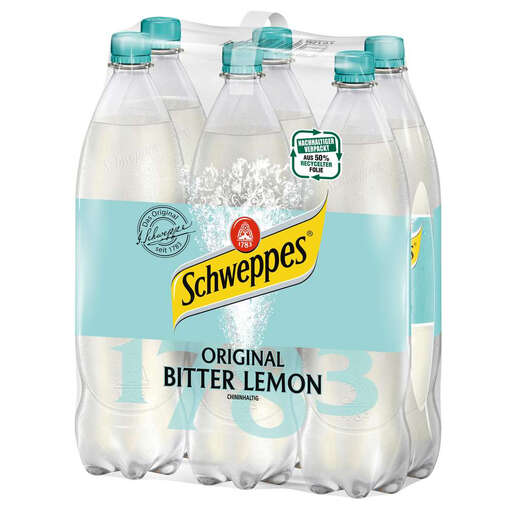
Why This Fits Their Persona: A classic for the home bar. The distinct bitter note from quinine and the strong carbonation make this beverage the ideal base for long drinks like a Gin Lemon or Vodka Lemon.
Its clear positioning as "Bitter Lemon" prevents confusion with sweeter sodas. You get exactly the tart flavour profile needed for sophisticated mixed drinks.
Contains 3% lemon juice from concentrate and the characteristic quinine flavour, according to the manufacturer. The brand is known for its consistent quality as a mixer.
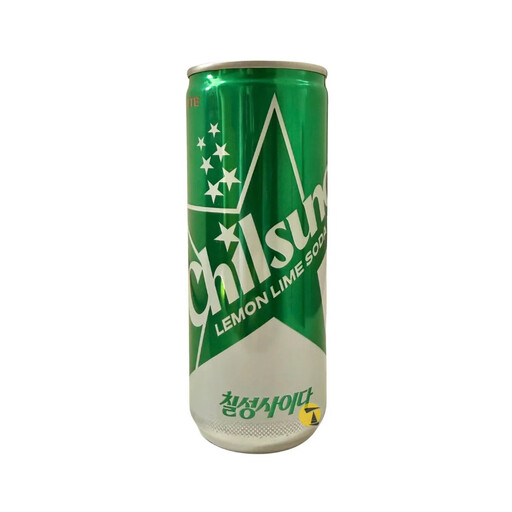
Why This Fits Their Persona: For those who are curious about new taste experiences. This Korean soda offers a different sweetness profile, often from fructose-glucose syrup, and a refreshing lemon-lime flavour.
This product breaks the monotony of familiar brands. It is clearly identifiable as an international specialty, aimed squarely at buyers who consciously want to try something new.
The 250 ml can is an ideal single-serving size for tasting. The flavour is clean and refreshing, without the tartness of bitter lemon, making it a very approachable drink.
We have compiled a complete, up-to-date list of products that fully meet these strict selection criteria and UK/EU regulations.
1. What is the difference between lemon soda and Bitter Lemon? The main difference lies in the flavour profile and ingredients. Classic lemon soda has a sweet-and-sour profile. Bitter Lemon also contains quinine, a substance responsible for its characteristic bitter aftertaste. This makes it particularly well-suited as an ingredient for cocktails and long drinks.
2. How long does an opened bottle of lemon soda last? Once opened, a soda gradually loses its carbonation. A tightly sealed PET bottle should be stored in the refrigerator and ideally consumed within two to three days to maintain the best possible taste and fizz. Smaller containers like cans or 0.33-litre glass bottles are intended for immediate consumption.
3. Are sugar-free sodas really completely calorie-free? Most sodas labelled "sugar-free" or "Zero" are practically calorie-free. According to EU regulations, products can be labelled "calorie-free" if they contain no more than 4 kcal per 100 ml. A look at the nutrition facts provides precise information. For example, according to the manufacturer, Sprite Zero Sugar contains 1 kcal per 100 ml, while Fanta Zero Lemon is listed with 2 kcal per 100 ml.