
Lieferung heute & morgen

Qualitätsgarantie

Willkommens-Angebote freischalten: KOSTENLOSE Lieferung | Bis zu 80 % RABATT | Kostenlose 30-Tage-JoyPlus-Testphase
App herunterladen
Dry lips can feel uncomfortable, tight or flaky. When choosing a lip balm, however, it is not enough to consider whether the packaging promises intensive care, natural ingredients or long-lasting moisture. The formulation, intended use and everyday tolerance are what really matter.
A shiny film can make lips feel smooth in the short term. However, it says little about how well a product retains moisture or protects against drying out. When choosing a moisturising lip balm, it is therefore worth checking the nourishing oils, waxes and butters listed in the INCI ingredients.
Plant oils, beeswax and essential oils can all be part of natural lip care. Even so, fragrances and declarable fragrance allergens such as Limonene or Linalool may irritate sensitive lips. If you are prone to reactions, look specifically for fragrance-free lip care and check the product information before buying.
Your lips are exposed to sun, wind and cold in everyday life. A lip balm with SPF can be a practical addition when spending time outdoors. The stated sun protection factor should be clearly shown on the packaging. A lip balm without a declared SPF should not be treated as sun protection.
For lip balm for dry lips and lip care for chapped lips, film-forming and replenishing ingredients are relevant. Common examples include:
The exact effect depends on the complete formulation. Product descriptions and INCI lists may change from one batch to another. The ingredients list on the packaging you receive is therefore the authoritative source.
A classic lip balm stick is usually colourless and suitable for everyday use. Tinted options such as a tinted lip balm combine lip care with a subtle make-up effect. Glossy textures can be worn as a base for lipstick or on their own.
For sensitive lips, fragrance-free products without essential fragrance oils are a sensible choice. If you prefer colour or flavour, test the product with a small amount first to check how well you tolerate it.
When an SPF is stated, the information on the packaging is crucial. During prolonged sun exposure, reapply regularly, particularly after eating, drinking or wiping your lips. Lip balm is not a substitute for medical treatment and should not be applied to open wounds, severely irritated skin or other noticeable changes.
Many sticks should only be twisted up by a few millimetres. Products extended too far may snap. Storing them in a cool, dry place and keeping the cap firmly closed helps preserve the texture and hygiene.
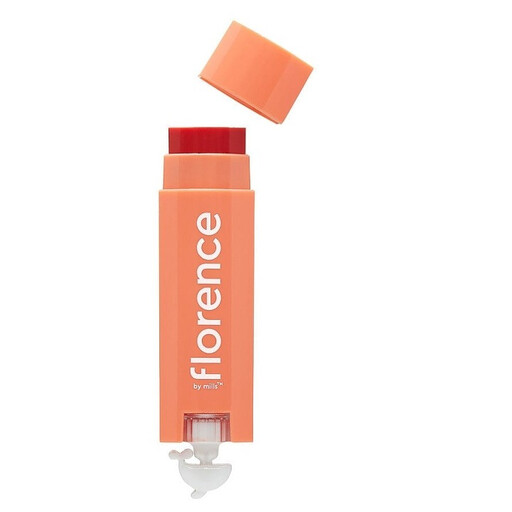
Why this product suits this profile: The 4.5 g stick combines a subtle Peach-and-Pequi Coral shade with a transparent, non-sticky texture for everyday use.
The product description mentions nourishing oils and shea butter, while also highlighting a non-sticky finish. No UV protection is stated.
Jojoba and avocado oils, shea butter and a subtle tint in a handy stick.
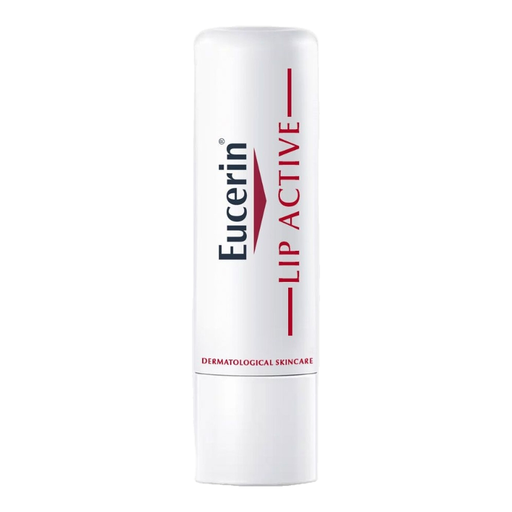
Why this product suits this profile: The stick is designed for frequent use on dry and chapped lips and, according to the product information, contains panthenol, tocopherol and UV filters.
The product information expressly mentions UV filters. This makes it easier to distinguish its intended use from that of a purely glossy or coloured product.
Panthenol, tocopherol, jojoba oil and stated UV filters; designed for repeated application.
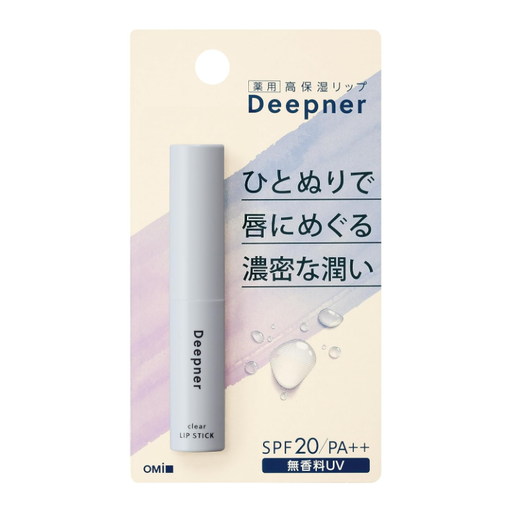
Why this product suits this profile: The fragrance-free formula with SPF20 PA++ is aimed at shoppers who want to combine moisture, UV protection and a colourless application.
The fragrance-free formulation and specific SPF20 PA++ protection are clearly stated. The slim stick should only be twisted up by 2 to 3 mm.
Fragrance-free formula, olive oil, jojoba oil and squalane, together with stated SPF20 and PA++ protection.
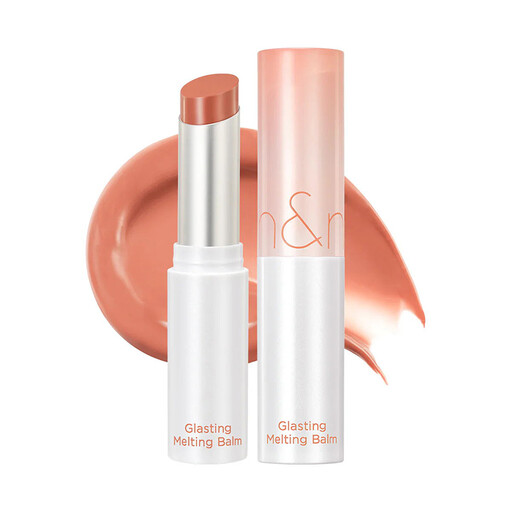
Why this product suits this profile: The Kaya Fig shade combines a melting balm texture with a glossy finish and subtle colour, for wearing alone or under lipstick.
The product information clearly states the colour, finish and fragrance. If you are looking for fragrance-free lip care, this product should not be your first choice because it contains listed fragrances.
Glossy, tinted balm texture with a Kaya Fig shade and several plant oils in the formula.
We have put together a complete, regularly updated list of products that fully meet these strict selection criteria and the safety regulations applicable in the EU.
It depends on the texture, weather and your personal needs. Applying lip balm several times a day can be helpful in dry indoor air, cold weather or wind. Reapplying frequently is not automatically a problem, provided you tolerate the product well. Stop using it if you experience burning, itching, redness or swelling.
The best-before date, batch number and, where applicable, the symbol indicating the period of use after opening are shown on the packaging. A stick should be discarded if its smell, colour or consistency changes noticeably. Direct sunlight and high temperatures can soften or affect the formulation prematurely.
For lip balm for sensitive lips, fragrance-free and dye-free formulations can be a useful guide. At the same time, you should check the complete ingredients list, as individual oils or waxes may also cause reactions. If symptoms persist or you notice unusual changes to the skin, it is advisable to seek medical advice.