
Lieferung heute & morgen

Qualitätsgarantie

Willkommens-Angebote freischalten: KOSTENLOSE Lieferung | Bis zu 80 % RABATT | Kostenlose 30-Tage-JoyPlus-Testphase
App herunterladen
Finding the right lipstick can often be more complicated than expected. The sheer variety of colours, finishes, and formulations is vast, but not every product delivers on its promise. Many users know the problem: a product advertised as "long-lasting" severely dries out the lips, or the colour shown online differs significantly from the actual shade on the skin.
This guide serves as your point of reference. It highlights the crucial product features you should look for before making a purchase, helping you make an informed decision that fits your needs. We focus on objective criteria to distinguish marketing claims from actual performance.
Before we dive into the details, let's look at three common issues that can lead to disappointment and bad purchases.
To avoid these pitfalls, it's helpful to focus on a few key parameters. These features are the primary determinants of the application, feel, and final result.
The finish describes the lipstick's appearance after application. The texture influences how it applies and feels.
A good lipstick should not only provide colour but also care for the delicate skin on the lips.
Choosing the right product depends heavily on individual needs and the intended occasion. Here are some suggestions tailored to specific profiles.
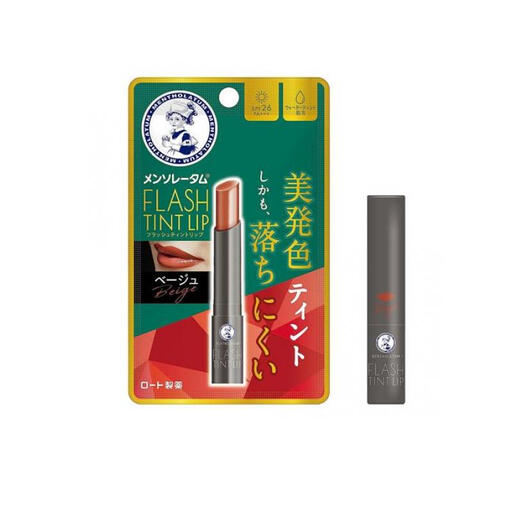
Why it's a great match: Ideal for users seeking an effortless solution for daily wear. It combines a hint of colour with moisturising care and sun protection, without being overpowering. Perfect for the office or casual outings.
As a tinted lip balm, it sidesteps the "long-lasting but drying" trap by prioritising moisture. The "Water-Tint" formula provides a natural, adaptable colour, minimising the risk of a shade mismatch.
Combines lip care with SPF 26 and a subtle tint. The formula contains six nourishing oils, including squalane and jojoba oil.
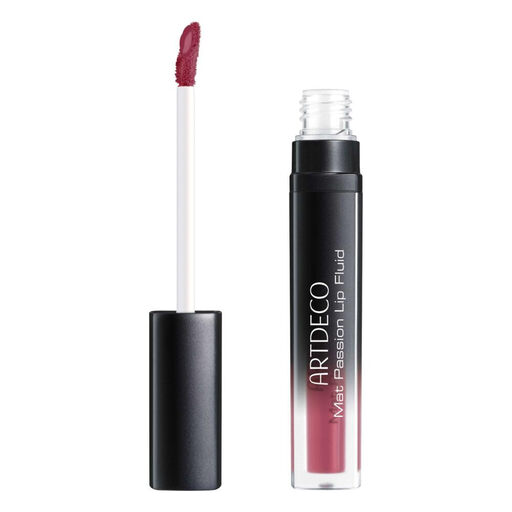
Why it's a great match: For users who want a modern, matte look with intense colour and long-lasting wear. The liquid formula allows for precise application, creating a defined result.
The product description highlights a "weightless texture" and a "comfortable feel," which counteracts the common drying issue with matte products. Its high coverage ensures a true-to-colour result.
This liquid lipstick becomes transfer-proof and long-lasting after drying. The precision applicator facilitates an even application.
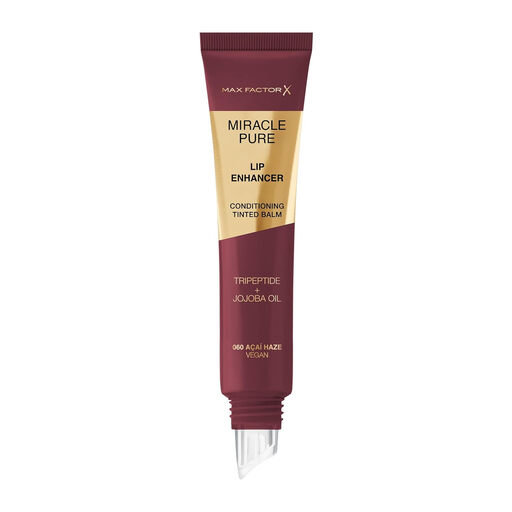
Why it's a great match: For anyone who wants to combine the nourishing aspect of a balm with the glossy finish of a lip gloss. It's an excellent choice if your lips are prone to dryness and a healthy, well-cared-for look is the priority.
This product is clearly positioned as a conditioning, tinted balm, thus avoiding the "dryness trap." According to the manufacturer, its moisturising effect is clinically proven, which counteracts the fallacy of "empty conditioning claims."
The vegan formula contains jojoba oil and tripeptides for a nourishing effect. The applicator is designed for a pleasant application experience.
We've curated a complete, up-to-date list of products that meet our strict selection criteria and all relevant safety standards.
A common method is to determine your skin's undertone. Look at the veins on your wrist in natural daylight. Bluish veins suggest a cool undertone (colours with blue or purple nuances work well), while greenish veins indicate a warm undertone (colours with orange or golden nuances are suitable). If you see both, you likely have a neutral undertone, which suits most colours.
Good preparation is key. First, apply a thin layer of lip balm and let it absorb. A lip liner in a matching shade can not only define the lip contour but also act as a base and prevent the colour from bleeding. After applying the lipstick, you can gently blot your lips with a tissue and apply a second coat.
A lipstick labelled as vegan contains no ingredients of animal origin. This includes, for example, beeswax (Cera Alba), lanolin (wool fat), and carmine (CI 75470), a red pigment. Look for official seals (e.g., the V-Label) or check the product description and the INCI list of ingredients.