
Lieferung heute & morgen

Qualitätsgarantie

Willkommens-Angebote freischalten: KOSTENLOSE Lieferung | Bis zu 80 % RABATT | Kostenlose 30-Tage-JoyPlus-Testphase
App herunterladen
The popularity of tropical fruit drinks is steadily on the rise. Mango drinks, in particular, are becoming a sought-after alternative to traditional soft drinks, available in a wide variety of styles—from classic nectars to modern creations with chewy pieces. However, the market is vast, and not every bottle delivers on its promise. Before you decide to buy a mango drink, it's worth knowing the common pitfalls to avoid disappointment.
To make an informed choice that meets your expectations, you should check three key parameters. These will help you objectively evaluate the quality and type of any mango drink.
The product's official designation already provides the first important clue about its composition. Pay attention to the following distinctions:
A close look at the ingredients list is essential. If mango puree or mango juice appears near the top of the list, it's a good sign of a higher fruit content.
For those who love beverages with a unique mouthfeel, Asian-style drinks with inclusions are an interesting option.
The nutrition facts panel reveals the sugar content. The value for "of which sugars" per 100 ml allows for a direct comparison between different products. The ingredients list also shows whether artificial colours, preservatives, or flavour enhancers are used, which is relevant for making a conscious purchasing decision.
Based on these objective criteria, we have selected a few products for different taste profiles and preferences.
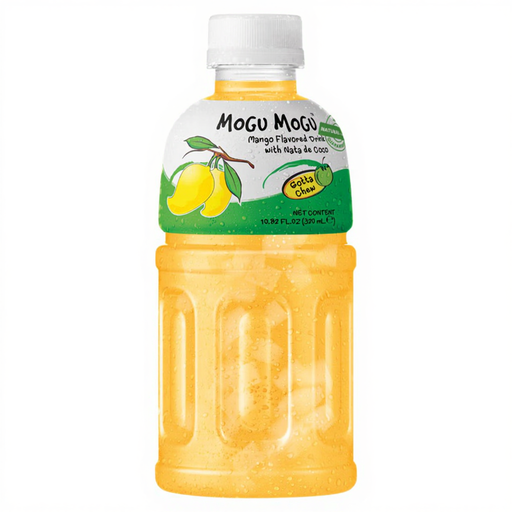
Why it's a great fit: Perfect for anyone bored with simple juices who is looking for a playful, interactive drinking experience typical of modern Asian beverages.
This drink sidesteps the "disappointing texture" trap. The Mogu Mogu brand is famous for its trademark feature: a declared 25% nata de coco content in every bottle.
The combination of a sweet mango refreshment and a high proportion of nata de coco creates a unique drinking and chewing experience.
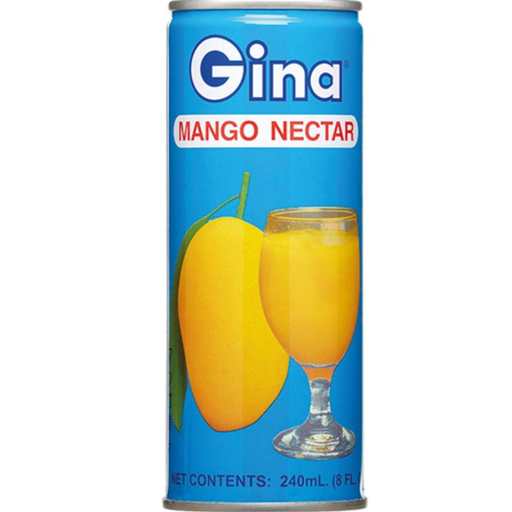
Why it's a great fit: Optimal for connoisseurs who value an intense, authentic mango flavour and a rich, nectar-like consistency without any distracting textures.
This drink counters the "low fruit content" trap with an exceptionally high mango puree content of 35%. This is significantly more than many standard nectars.
The high pulp content provides a dense, velvety texture and a deep, natural fruit flavour that closely resembles that of a fresh, ripe mango.
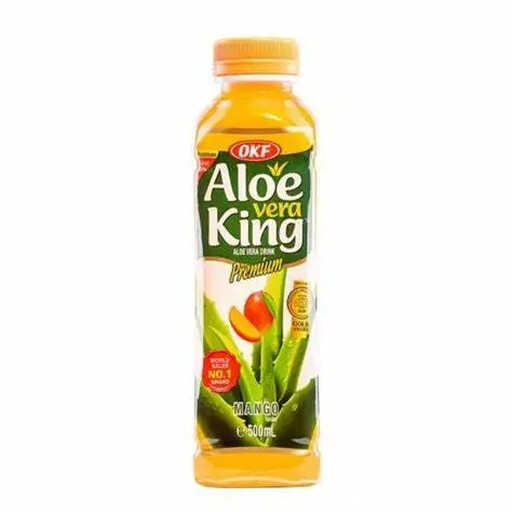
Why it's a great fit: For those who expect more than just flavour from their drink and seek a combination of tropical refreshment and functional ingredients like aloe vera.
This drink avoids being just another sugary refreshment by offering a functional component. With 30% aloe vera (juice and gel), it delivers a unique texture.
The fusion of mango flavour with a high content of real aloe vera pieces offers a refreshing and textured alternative to classic juices.
We've compiled a complete, up-to-date list of products that meet these strict selection criteria.
The main difference lies in the fruit content. Mango juice must be 100% fruit. Mango nectar is a mixture of fruit pulp or juice, water, and sugar, with a legally required minimum fruit content of 25% for mangoes. A mango fruit drink has an even lower fruit content and typically contains more added sugar and flavourings.
Nata de coco is a chewy, translucent food product that originated in the Philippines. It is produced by the fermentation of coconut water and has a jelly-like consistency. It is a popular ingredient in Asian desserts and beverages, providing an interesting, chewable texture.
Unopened mango drinks should be stored in a cool, dry place away from direct sunlight. Once opened, they should be refrigerated and consumed within a few days, as indicated on the packaging. For the best taste experience, most mango drinks, especially those with nata de coco or aloe vera, are best served well-chilled. It is also advisable to shake the bottle well before opening to distribute any fruit pulp or pieces evenly.