
Lieferung heute & morgen

Qualitätsgarantie

Willkommens-Angebote freischalten: KOSTENLOSE Lieferung | Bis zu 80 % RABATT | Kostenlose 30-Tage-JoyPlus-Testphase
App herunterladen
Choosing the right motorcycle protective pants is a fundamental decision for any rider. However, the market is flooded with products whose marketing promises often create more confusion than clarity. Many riders invest in gear that fails to provide the expected protection in a crash or becomes a hazard itself due to a lack of comfort. Before you make a decision, it's crucial to understand the most common pitfalls.
A widespread problem is an improper fit, which causes protectors to shift during a fall, rendering them useless. Another shortcoming is the use of non-breathable materials. Such armored motorcycle pants can lead to excessive sweating and a loss of concentration on longer rides or in warm weather. Finally, some manufacturers use terms like "padded" or "reinforced" without the protective effect being verified by recognized standards.
To make an informed purchasing decision, you should focus on objective criteria rather than marketing claims. Three parameters are of central importance here.
The core of any motorcycle pants with protectors are the protective elements themselves. There is a significant difference between simple foam inserts and certified protectors.
A good pair of armored motorcycle pants must do more than just protect. Comfort is critical for safety, as discomfort impairs concentration. The base of the pants should be made from a lightweight, elastic, and breathable material.
A combination of stretchy Lycra fabric and large mesh panels has proven effective here. This construction ensures a close-to-body fit, similar to leggings, which holds the protectors securely in place. At the same time, the mesh fabric allows for continuous air circulation, wicking moisture away from the body and ensuring a comfortable climate even during exertion or high temperatures. This is particularly relevant for Enduro pants or Motocross pants intended for sport use.
The protective effect lives or dies by the fit. Pants that are too loose will cause the protectors to be out of place in the critical moment. Pants that are too tight restrict freedom of movement and create uncomfortable pressure points.
Therefore, look for a snug cut that does not constrict. Elastic waistbands and adjustable straps on the waist or legs can help to customize the fit. The pants should feel like a second skin and follow every movement without the protective elements changing their position. This is also of great importance for MTB protective pants used in dynamic sports.
Instead of presenting an overwhelming list, we have matched models based on typical user profiles.
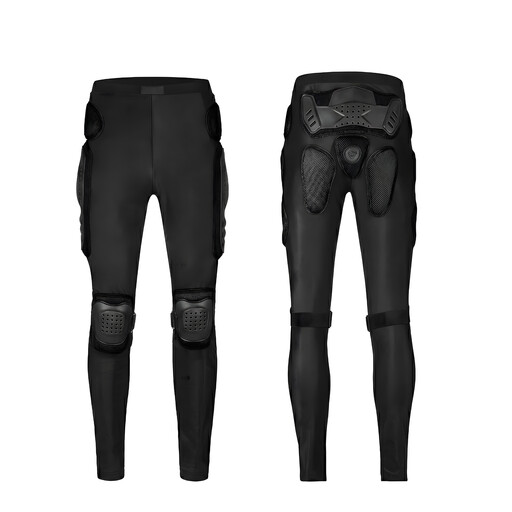
Why This Fits Their Persona: Anyone starting out with motorcycling or mountain biking needs reliable baseline protection without spending a fortune. This model offers comprehensive protection for the hips, thighs, and knees at an accessible price point.
Instead of vague padding, this model uses clearly defined hard-shell protectors. The snug fit of the mesh fabric prevents the protective elements from shifting during a fall.
Comprehensive protection for hips, thighs, and knees. The breathable base material ensures comfort across various temperatures.
Why This Fits Their Persona: Riders who are active both on the road and in light off-road terrain need a versatile solution. These pants can be worn discreetly under motorcycle jeans or other Enduro pants, offering protection without restricting mobility.
The lightweight and breathable mesh fabric prevents the heat buildup that is a common problem with many budget-friendly protective pants. This maintains comfort even on long tours.
Flexible enough to be worn under various types of outerwear. The combination of stretch material and fixed protectors ensures freedom of movement and a secure fit.
Why This Fits Their Persona: In sports like downhill mountain biking, motocross, or skateboarding, maximum freedom of movement and targeted impact protection are crucial. These pants are lightweight and flexible enough not to interfere, yet they provide robust protection in critical areas.
Unlike bulky, rigid systems, this model relies on a flexible base of Lycra and mesh that conforms to the body. The protectors remain fixed without hindering movement patterns.
Very lightweight and breathable, ideal for strenuous activities. The hard-shells on the hips, thighs, and knees offer targeted protection during falls.
We have compiled a complete, real-time list of products that fully satisfy these strict selection criteria and UK safety regulations.
Yes, models designed as armored base layers are very well-suited for this. They are made of thin, elastic mesh fabric and fit snugly against the body. Make sure the jeans worn over them are not too tight to avoid pressure points and to ensure sufficient freedom of movement. Jeans made of robust denim with a bit of stretch are often a good combination.
Proper care is crucial for longevity. On most models, the protectors must be removed before washing. Hand wash the pants in cold water with a mild detergent. Rinse them thoroughly and let them air dry in the shade. Avoid direct sunlight, heaters, or a tumble dryer, as heat can damage the elastic fibers and protective materials.
Joint protectors are typically classified into two protection levels according to the European standard EN 1621-1. Level 1 represents the minimum standard and offers good baseline protection. Level 2 protectors must absorb more impact energy to receive certification, thus offering a higher level of protection. However, they may be slightly thicker or heavier. The choice depends on personal safety needs, the area of use, and your budget.