
Lieferung heute & morgen

Qualitätsgarantie

Willkommens-Angebote freischalten: KOSTENLOSE Lieferung | Bis zu 80 % RABATT | Kostenlose 30-Tage-JoyPlus-Testphase
App herunterladen
By the Joybuy Product Recommendation Officer, August 28, 2026
The craving for authentic, sweet Chinese steamed buns is a familiar feeling for many fans of Asian cuisine. Nai Huang Bao, also known as steamed custard buns, promise a soft, fluffy dough casing and a sweet, creamy filling. However, anyone who has purchased frozen varieties is likely familiar with the potential disappointment: a filling that's watery instead of creamy, or dough that becomes soggy rather than fluffy during steaming.
This guide will help you navigate the most common purchasing pitfalls and find products that live up to their promise. We'll focus on objective characteristics you can check directly on the packaging or in the product description.
Before we dive into the selection criteria, here are two common issues that can lead to an unsatisfying experience:
To avoid these issues, you should focus on a few verifiable product characteristics. These provide insight into the quality you can expect.
The name itself offers a clue about the type of filling. Nai Huang Bao (奶黄包) literally means "milk-yolk bun" and refers to a firm, creamy custard filling. On the ingredients list, look for components like whole milk powder, egg powder, and sugar, which indicate a classic custard cream.
These should be distinguished from Liu Sha Bao (流沙包), which contain a liquid, often slightly salty egg yolk filling that flows out when opened. If you are specifically looking for the classic, sweet custard variety, make sure the product description does not indicate a liquid filling.
A good dough for sweet baozi should be airy, soft, and slightly elastic after steaming. The foundation for this is high-quality wheat flour. The ingredients list should also specify yeast or another suitable leavening agent that provides volume. Products that rely solely on chemical leaveners can sometimes have a less authentic texture.
Clear and precise preparation instructions are a mark of quality. For frozen dim sum, the exact steaming time is crucial for achieving an optimal result. Check that the packaging is undamaged to avoid freezer burn, which negatively affects the texture of both the dough and the filling.
Here are some recommendations tailored to different needs and preferences.
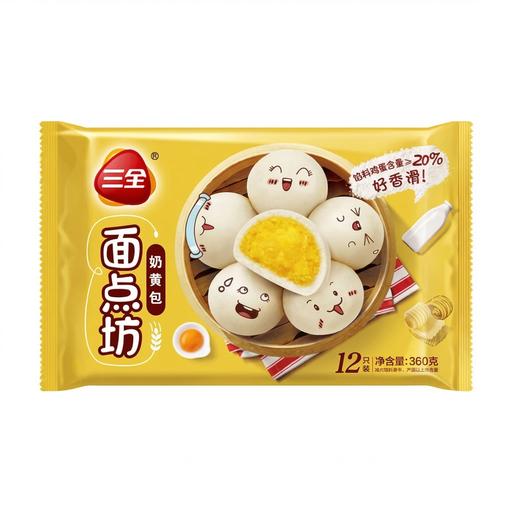
Why This Fits Their Persona: Ideal for those seeking the authentic taste of a sweet Chinese breakfast. These buns are specifically designed as classic Nai Huang Bao and are excellent as a dessert or sweet snack.
The ingredients list, featuring wheat flour, milk powder, and egg powder, points to a traditional, firm custard filling, avoiding the disappointment of a watery consistency. The Sanquan brand is known for its reliable quality in frozen ready-made meals.
Quick to prepare in 8–10 minutes in a steamer. The dough remains soft and fluffy after steaming.
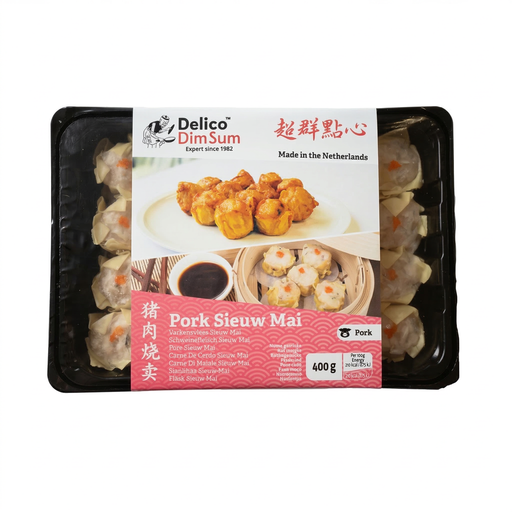
Why This Fits Their Persona: For those who appreciate the variety of dim sum and want to enjoy savoury classics alongside sweet options. Siu Mai are an excellent addition to an authentic dim sum meal at home.
This product bypasses the specific pitfalls of custard buns by offering a completely different, savoury alternative. The pork and shrimp filling is clearly defined, delivering a juicy, flavourful experience.
A classic Cantonese dim sum treat. Preparation is also straightforward, taking about 10–12 minutes in a steamer.
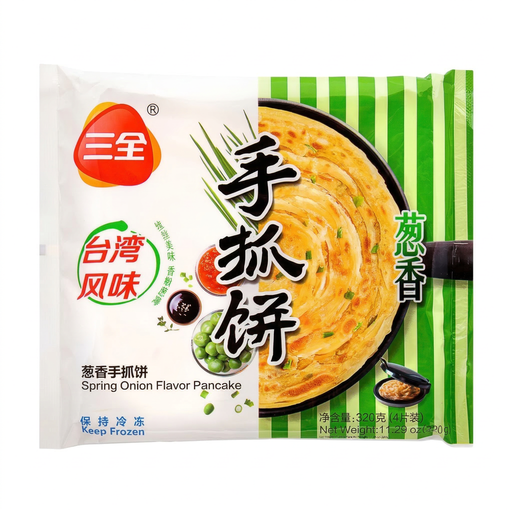
Why This Fits Their Persona: Perfect for busy professionals or families who need a quick yet tasty and satisfying meal. This spring onion pancake is a savoury alternative that works well as a side dish or a main course.
This product offers a completely different textural profile—crispy on the outside, soft and flaky on the inside. It completely avoids the typical problems of steamed dough, like sogginess or toughness, offering reliable and simple pan-fry preparation.
No thawing required; goes straight from the freezer to the pan. Golden brown and ready to serve in minutes.
We have compiled a complete, up-to-date list of products that fully meet these strict selection criteria.
For the best results, place the frozen buns in a steamer or a pot with a steamer insert over boiling water. Be sure to leave enough space between the buns to allow them to expand. Steam them over medium-high heat for the time indicated on the package, usually between 8 and 12 minutes. The lid should remain closed during steaming.
The main difference is the filling. Nai Huang Bao has a firm, sweet custard cream filling that becomes soft but not liquid when heated. Liu Sha Bao, on the other hand, contains a filling made from salted egg yolk, butter, and sugar, which melts when heated and flows out when the bun is opened ('flowing sand').
Frozen dim sum should always be stored at a temperature of -18°C or colder. When purchasing, check that the packaging is intact and tightly sealed to prevent freezer burn. Once thawed, products should not be refrozen but should be prepared and consumed promptly. Pay attention to the expiration date on the packaging.