
Lieferung heute & morgen

Qualitätsgarantie

Willkommens-Angebote freischalten: KOSTENLOSE Lieferung | Bis zu 80 % RABATT | Kostenlose 30-Tage-JoyPlus-Testphase
App herunterladen
A no-drill double roller blind is an attractive solution for many homes. This system offers clear advantages, especially in rental properties where structural changes are often prohibited, or for anyone who prefers a hassle-free installation. It allows for flexible light control and protects your privacy without damaging walls or window frames.
However, the vast selection on the market can often lead to uncertainty. Not every product delivers on its promises. Before you make a decision, it's important to understand the common pitfalls that can lead to a poor purchase.
Common Problems When Choosing:
To avoid these issues, you should pay attention to a few fundamental quality features and technical specifications.
A functional and durable no-drill window blind is distinguished by precise craftsmanship and well-thought-out details. The following three points are crucial for your purchasing decision.
The heart of any clamp-on blind is its mounting mechanism. A reliable clamp-fit blind features adjustable clamp brackets that can adapt to various window frame thicknesses.
To achieve optimal privacy and light protection, measuring correctly is essential. The order width—the total width of the blind including its brackets—is not the same as the fabric width.
A double roller blind, often called a day and night blind or a no-drill zebra blind, consists of two parallel fabric panels. These panels are divided into alternating transparent and opaque stripes.
Based on the quality criteria mentioned, we have identified several products suitable for different user profiles.
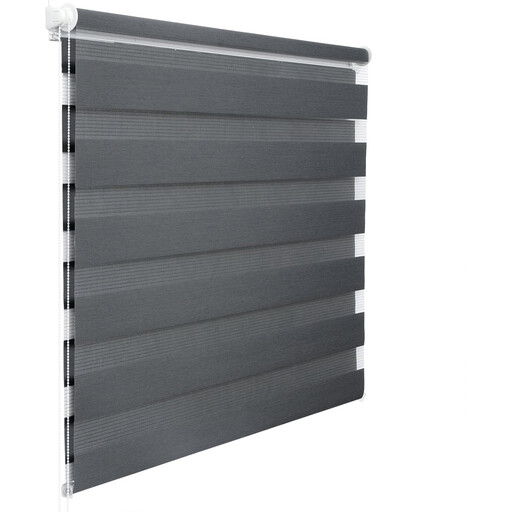
Why it's a good fit: Perfect for renters seeking a reliable, straightforward, and cost-effective solution. The installation is tool-free and leaves no marks on the window frame.
The clamp brackets are designed for a common window frame thickness of 13–23 mm, providing a stable hold. Clear measuring instructions help you avoid the pitfall of a fabric panel that is too narrow.
Offers both a clamp-fit and an optional drill-mount installation. The 100% polyester fabric is protected against fraying thanks to thermal-cutting technology and is suitable for humid rooms.
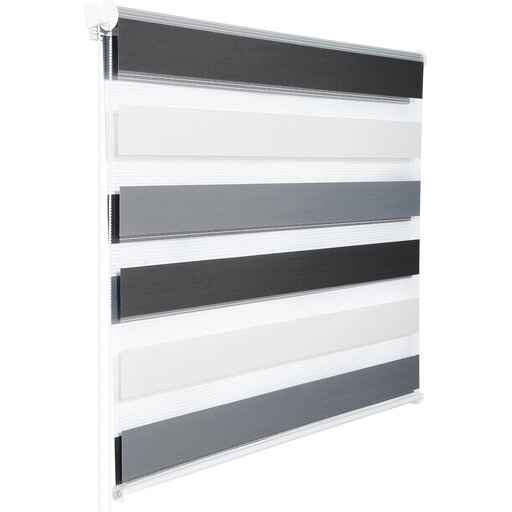
Why it's a good fit: For those who value a modern aesthetic. The tri-colour design in white, grey, and anthracite adds a stylish accent and stands out from standard single-colour solutions.
The alternately woven fabric panels are cleanly finished to prevent fraying. The zebra blind design ensures precise light control without the quality compromises found in cheaper models.
The variable play of light created by the alternating opaque and transparent panels allows for a customisable atmosphere. The chain pull can be flexibly mounted on the left or right side.
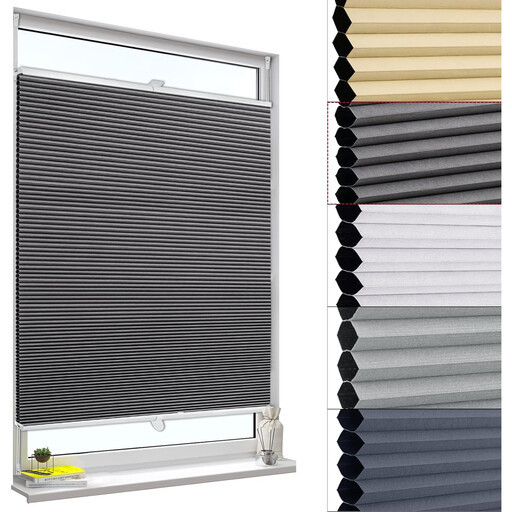
Why it's a good fit: For bedrooms or children's rooms where maximum darkness and quiet are a priority. Thanks to its special construction, this pleated blind offers more than just privacy.
Instead of a single layer of fabric, this blind uses a double-layered honeycomb structure that completely blocks light. The clamp-fit installation is also designed for a secure fit without drilling.
The honeycomb structure with an integrated aluminium coating provides an effective blackout effect while also offering thermal and sound insulation. It features safe, chain-free operation.
We have compiled a complete, up-to-date list of products that fully meet these strict selection criteria and German safety regulations.
Measure the width of the glass pane and add approx. 4 cm to determine the order width. This ensures the fabric slightly overlaps the pane on both sides, minimising light leakage. For the height, measure the entire height of the window sash. Also, check the thickness of your window frame to ensure compatibility with the clamp brackets.
Most clamp-fit systems are designed for standard uPVC windows that can be opened. They are generally not suitable for skylights, fixed-pane windows, or wooden windows. The product description usually provides specific details on compatible window types and frame thicknesses.
Most polyester double roller blinds are easy to maintain. For regular cleaning, simply dust the fabric with a soft brush or a feather duster. For light stains, the fabric can be gently wiped with a slightly damp cloth. Avoid using harsh cleaning agents, as they could damage the material.