
Lieferung heute & morgen

Qualitätsgarantie

Willkommens-Angebote freischalten: KOSTENLOSE Lieferung | Bis zu 80 % RABATT | Kostenlose 30-Tage-JoyPlus-Testphase
App herunterladen
A slipping mat can not only disrupt your concentration but also increase the risk of injury during your workout. However, the market for fitness mats is crowded and full of marketing promises. Many buyers invest in a new yoga mat, only to discover after a few weeks that it's unsuitable for their needs. Before you make a decision, it's crucial to understand the most common pitfalls that can lead to a bad purchase.
The 3 Most Common Traps When Buying an Exercise Mat:
To make an informed decision, you should focus on objective and verifiable features. Three core parameters are crucial for the functionality, safety, and longevity of your new at-home fitness mat or studio mat.
The material is the primary factor determining grip, cushioning, weight, and durability.
The thickness of a mat is measured in millimetres (mm) and should be tailored to your primary use case.
Slip resistance depends not only on the material but crucially on the surface texture. Look for mats with a different texture on each side. A typical configuration is a top side with fine lines for hand and foot grip and an underside with a wave pattern that prevents the mat from sliding on smooth floors (e.g., hardwood or tile). An included sports mat with a carrying strap also makes transport and storage easier.
Instead of making a one-size-fits-all recommendation, we have identified mats that meet specific needs and avoid the pitfalls mentioned earlier.
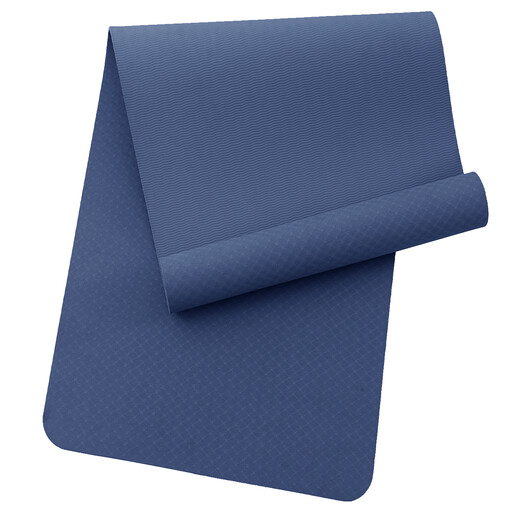
Why This Fits Their Persona: Ideal for anyone seeking a reliable all-around mat for starting yoga, Pilates, or home workouts. It combines the most important features—slip resistance, balanced cushioning, and portability—without requiring a large initial investment.
This mat uses transparently declared TPE material instead of cheap PVC. The 6 mm thickness avoids the instability of overly padded mats and provides a solid foundation for balance exercises.
The dual-sided texture ensures reliable stability on the floor and grip for hands and feet. Includes a carrying strap for easy transport.

Why This Fits Their Persona: Perfect for users who prioritise maximum comfort and joint protection during floor exercises. The extra padding is ideal for Pilates, gymnastics, or individuals with sensitive knees and elbows.
This mat debunks the thickness myth because, despite its 10 mm thickness, it is made from high-density TPE. This prevents excessive sinking and maintains a degree of stability that is absent in cheap, soft mats.
Offers noticeably increased cushioning to relieve pressure on the spine, hips, knees, and elbows. The dual-sided anti-slip texture still ensures safety.
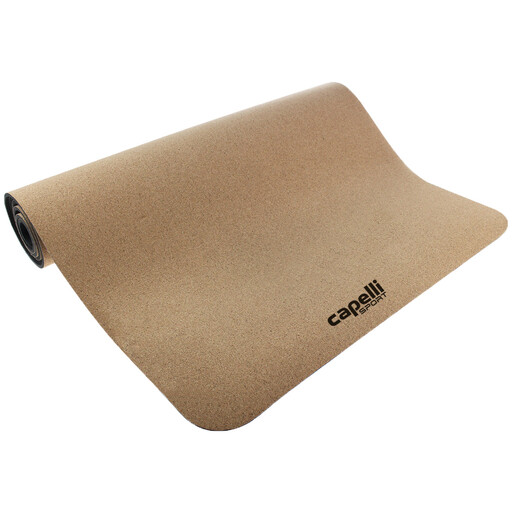
Why This Fits Their Persona: Designed for users who need maximum grip during intense and sweaty workouts like Hot Yoga or Vinyasa flows. The cork surface reacts to moisture, improving grip when it's needed most.
This mat actively solves the "surface deception" problem. Instead of relying on a purely visual texture, it uses the functional property of cork, which increases its grip with sweat, preventing slippage.
Natural, sweat-resistant cork surface with increasing grip in wet conditions. The TPE underside provides stability on the floor.
We have compiled a complete, up-to-date list of products that fully meet these strict selection criteria and applicable safety regulations.
Most TPE, NBR, and cork mats should not be machine washed. For cleaning, it is usually sufficient to wipe the surface with a damp cloth after your workout, using a mild soap solution if necessary. Allow the mat to air dry completely before rolling it up again. Avoid harsh cleaning agents and direct, prolonged sunlight to protect the material.
This is normal for new mats that were packaged tightly rolled. To counteract this, you can roll the mat in the opposite direction for a few hours. Alternatively, lay it flat on the floor and weigh down the ends with books for a while. The problem usually resolves itself after a short period of use.
Not necessarily. While a thick fitness mat (e.g., 10 mm or more) offers more comfort for exercises performed while lying or sitting, it can reduce stability during balance exercises. Your foot sinks in deeper, which makes holding your balance more difficult and can put more strain on the joints in your foot and ankle. For a mixed workout of strength, balance, and stretching, a thickness of 6 mm is often the more balanced compromise.