
Lieferung heute & morgen

Qualitätsgarantie

Willkommens-Angebote freischalten: KOSTENLOSE Lieferung | Bis zu 80 % RABATT | Kostenlose 30-Tage-JoyPlus-Testphase
App herunterladen
Porridge oats are available in many varieties: as coarse or finely milled flakes, instant porridge, individual sachets, or blends with apple, cinnamon, vanilla and chocolate. However, the differences are not limited to flavour. The ingredients list, portion size, preparation time and possible allergens all determine whether a product fits into your daily routine.
Instant porridge can usually be prepared particularly quickly. However, this initially only tells you something about how it has been processed and how easily it dissolves. Flavoured products may also contain sugar, syrup, milk powder or other ingredients. If you are looking for a simple oat porridge, check the ingredients list and sugar content per 100 grams.
A single sachet containing around 58 to 65 grams is practical for eating on the go, but provides a different quantity from a 375- or 700-gram pack. If you eat porridge regularly for breakfast, it is worth comparing the price per 100 grams. Individual sachets also make portioning easier, but create more packaging per meal.
A wholegrain porridge can contain a high proportion of wholegrain oats while still including other ingredients such as milk powder, cocoa or sweeteners. For products containing nuts, milk or wheat, it is also important to check the allergen information. The term “natural” is not a substitute for checking the ingredients carefully.
Oats naturally contain gluten or may come into contact with gluten-containing cereals during processing. Look for information about oats, wheat, milk, soya, peanuts and nuts. Kölln Hafer-Porridge Feine Basis, for example, contains wholegrain oats, soluble oat bran, wholegrain wheat flakes, almond flour and linseeds. This means the product contains several allergens that must be declared.
Wholegrain content is particularly relevant if you are looking for a less heavily flavoured base. A neutral blend can be customised with fresh fruit, nuts or spices.
For a fair comparison, you should consider both figures. A product may appear relatively high in calories per 100 grams, while the actual portion is smaller. Relevant values include:
According to the product information, Kölln Feine Basis contains 16 grams of protein and 14 grams of fibre per 100 grams. This is factual nutritional information, not a general promise of a particular effect.
For preparing porridge quickly, individual sachets are particularly convenient. Dr. Oetker Vitalis Apple & Cinnamon Porridge is designed to be prepared with 125 millilitres of boiling water, milk or a plant-based alternative. After a soaking time of at least three minutes, the oat porridge is ready to serve; alternatively, it can be heated in the microwave.
A larger pack usually requires measuring or portioning and, in some cases, a saucepan. In return, you can control the consistency and portion size yourself. When preparing porridge in a saucepan, follow the instructions provided by the relevant manufacturer, as flake size and blend ratios vary.
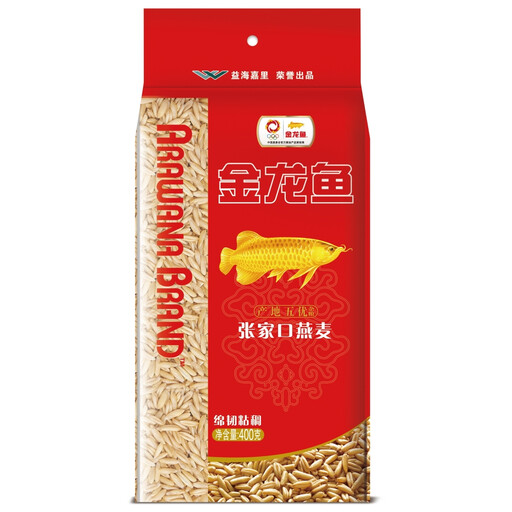
Why this product suits the profile: The neutral oat base is suitable for classic porridge, baking recipes and your choice of toppings.
The ingredient description lists oats as the base and does not include a pre-portioned flavour blend. This leaves you free to choose your own additions.
400-gram pack; versatile for breakfast and baking.
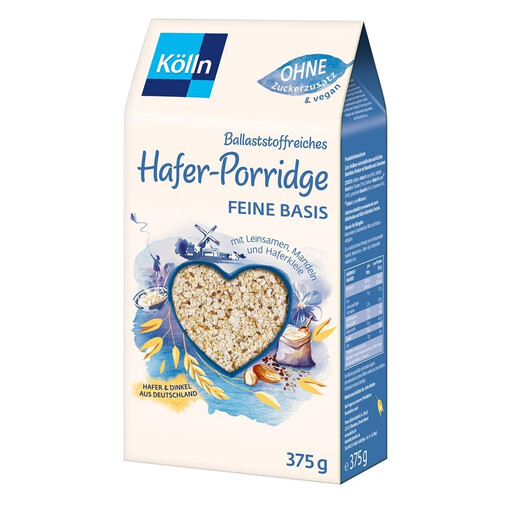
Why this product suits the profile: The Feine Basis blend combines several cereal and seed ingredients and can be customised with fruit, purée or spices.
The nutritional table and percentage-based ingredients list make comparison transparent. According to the product information, no additional sugar is listed.
16 grams of protein and 14 grams of fibre per 100 grams according to the product information; resealable inner packaging.

Why this product suits the profile: The 700-gram bulk pack is designed for regular preparation and, according to the description, contains no artificial colours or flavourings.
The ingredient description states that it contains 100 per cent oats. Nevertheless, check the current packaging and allergen information before eating.
Large pack size; according to the product description, preparation with hot water takes around one minute.
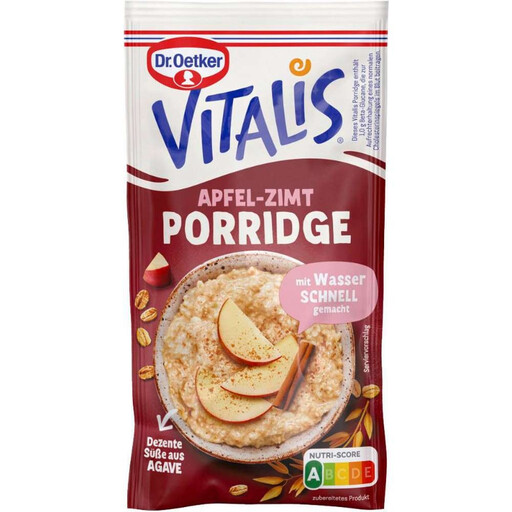
Why this product suits the profile: The individual sachet is ideal for the office, university or travelling when you do not have access to scales or a saucepan.
The quantities are clear: 58 grams of product and 125 millilitres of liquid. The declared wholegrain oat content is 51 per cent, with a further 14 per cent consisting of dried apple pieces.
Apple and cinnamon flavour; can be prepared with hot water, milk or a plant-based alternative.
For apple and cinnamon porridge, individual serving blends are a convenient option. If you prefer a more intense flavour, you can also find chocolate porridge in individual portions or larger packs. A neutral base, on the other hand, works well with banana, berries, nut butter or cocoa and can be adapted to suit different preferences in the family.
Instant porridge is a sensible choice if you need to prepare it at work or in student accommodation. When using an electric pot, follow the operating instructions and observe the stated fill levels and safety clearances. For most individual products, however, all you need is a bowl and hot water.
This depends on the product. Individual serving blends are often mixed with 125 to 150 millilitres of hot liquid and left to stand for a few minutes. Traditional oats can be heated in a saucepan with water or milk. For a creamier consistency, you will generally need to extend the soaking or cooking time.
Dry oats and blends generally have a longer shelf life when stored in a cool, dry place. However, the best-before date on the packaging is always the deciding factor. Once opened, larger packs should be tightly sealed and protected from moisture.
No. The term primarily refers to the stated protein content. Portion size, ingredients, allergens, sugar and fibre values, as well as your personal diet, are also important. So compare the nutritional table per 100 grams and per portion.