
当日/次日达

品质保障

开启新人专享福利: 全场免邮 | 低至 2 折 | 免费试用 30 天 JoyPlus 会员
下载 Joybuy
For many, gyoza, the classic Japanese dumplings, are synonymous with a quick yet sophisticated treat. Whether as a main course, side dish, or snack, the demand for high-quality frozen gyoza for home cooking is steadily growing. However, the market can be confusing, and not every product delivers on its promise. Before you buy gyoza again, you should know the common pitfalls that often lead to a disappointing meal.
As your Joybuy Product Recommendation Officer, I'm here to filter the essential information so you can make an informed decision. Here are the most common problems and what to look out for:
To avoid these issues, you should check three core parameters before making a purchase. These will help you objectively assess the quality and character of the dumplings.
The filling is the heart and soul of every gyoza. You can identify a high-quality filling by a clear and detailed ingredient list.
The dough determines the texture. Whether you're buying Japanese dumplings or looking to buy mandu, the choice affects the dough's thickness and the ideal cooking method.
Established brands are often an indicator of a particular style.
These parameters will help you separate the wheat from the chaff and find frozen dumplings that meet your expectations.
Here are some recommendations tailored to different needs and flavour profiles that meet the quality criteria mentioned above.
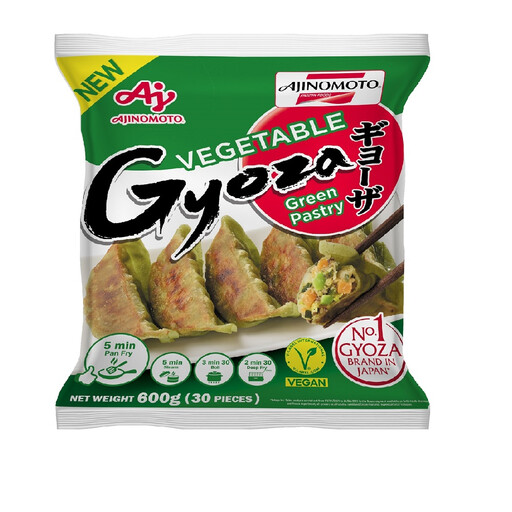
Why it's a great fit: Ideal for anyone looking for a purely plant-based filling that goes beyond standard vegetables. The mix of cabbage, carrots, wood ear mushrooms, and edamame soybeans provides a varied texture and a balanced flavour.
This product escapes the "vegetable trap" with a transparent ingredient list featuring a diverse mix that provides texture and aroma, rather than relying solely on cabbage.
The 600g bulk pack with 30 pieces offers great value for stocking up. The dough, coloured with spinach powder, is also visually appealing.
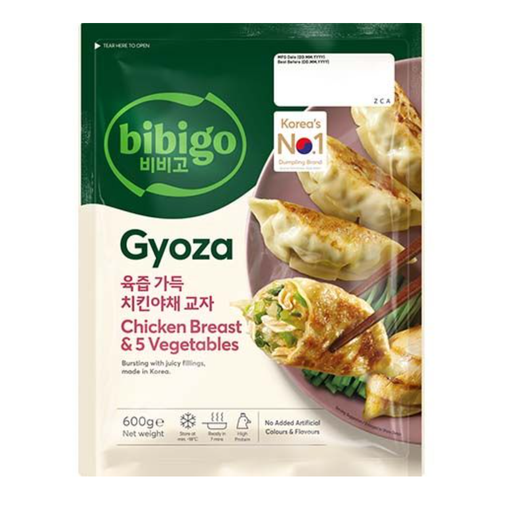
Why it's a great fit: For those who prefer the typical Korean mandu style. The filling of chicken breast and a declared mix of five vegetables, wrapped in a thin dough, is designed for a crispy texture when pan-fried.
The clear declaration of "Chicken Breast" and "5 Vegetables" counteracts vague ingredient lists. The thin dough is specifically designed for frying, avoiding the gummy dough dilemma.
The Bibigo brand is known for its Korean specialities, which provides a reliable guide for authentic flavour. The protein content is a solid 9.1g per 100g.
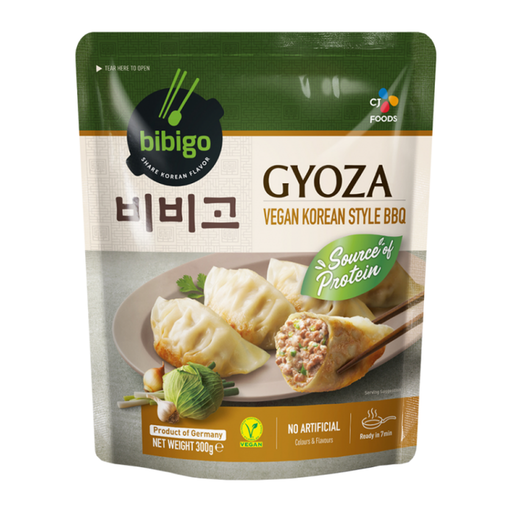
Why it's a great fit: This product is an excellent choice for vegans who want more than just a simple vegetable filling. The bold, smoky flavour of Korean BBQ, combined with soy sauce and sesame oil, delivers an intense taste experience.
It sidesteps the trap of bland vegetarian fillings by offering a clear and powerful flavour profile. The base of wheat gluten and various soy products provides a meat-like texture.
At 11.3g of protein per 100g, this product is a remarkable protein source for a vegan meal. The 300g pack is ideal for smaller households or for trying it out.
We have compiled a complete, up-to-date list of products that fully meet these strict selection criteria and German regulations.
1. How do I properly store opened frozen gyoza? To maintain quality, the bag should be sealed tightly after opening, ideally with as little air inside as possible. Immediately return the gyoza to the freezer at -18°C (-0.4°F). Dumplings that have been thawed should not be refrozen.
2. What is the difference between gyoza and mandu? Gyoza are the Japanese version of dumplings. They are often crescent-shaped, have a thin dough, and are usually pan-fried (yaki-gyoza). Mandu is the Korean term for dumplings. They come in various shapes and sizes, and their dough can be thin or slightly thicker depending on the type. Mandu can be fried, steamed, boiled, or served in soups.
3. Do I need a special sauce when buying gyoza? Although many gyoza are tasty on their own, a dipping sauce completes the experience. A classic and quick-to-prepare sauce consists of soy sauce, a splash of rice vinegar, and optionally a few drops of sesame or chili oil. Ready-made gyoza dipping sauces are also available in stores.