What should you look for when buying?
Start by checking the allergens on the specific pack. For varieties that may suit your avoidance requirements, you can then compare the portion size, protein content and other ingredients.
| Criterion |
What to check |
Who it matters most to |
| Allergens and cross-contact |
Compare the allergen you need to avoid with the ingredients list, highlighted allergens and any precautionary ‘may contain’ information on the current pack. |
Anyone who needs to avoid a specific allergen should not judge a variety by its front-of-pack information alone. For around 38% of consumers, checking for allergens comes first. |
| Protein and portion size |
Check the protein content alongside the bar’s weight, and note whether the nutritional information is given per 100 g or per serving. |
A convenient snack should fit into your routine around training, without letting protein claims dictate your choice. Around 23% of consumers prioritise this use. |
| Ingredients and sweeteners |
Check for ingredients such as sugar alcohols, along with serving advice and any warning about a possible laxative effect if consumed in excess. |
If you are sensitive to certain sweeteners, you’ll want to take the specific recipe into account. For around 23% of consumers, this question of tolerance is the main concern. |
| Availability and changes to varieties |
Check the specific variety and its current packaging every time you buy it, even if you already know the product. |
If you shop regularly, you may want to find a suitable variety again, while bearing in mind that the range or packaging could have changed. Around 16% of consumers put this practical consideration first. |
Products to compare on Joybuy
This selection includes mainly individually portioned protein bars, as well as a protein chocolate as an alternative type of snack. First compare the products against the allergen you personally need to avoid, then look at portion size and ingredients; a product’s inclusion here does not mean it is suitable for any particular allergy.
 No image available
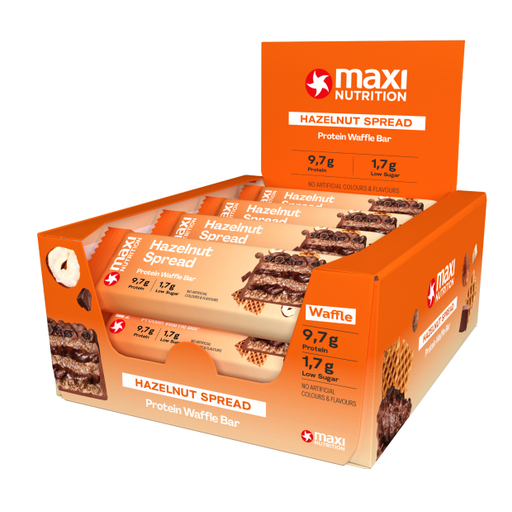
Maxi Nutrition Muesli Nut Butter protein wafer bars, 12 × 39 g
These individually wrapped wafer bars may suit you as an on-the-go snack if the ingredients fit your avoidance requirements.
The product information lists wheat, milk, soya and hazelnuts, as well as possible traces of other nuts. It also lists maltitol and warns of a possible laxative effect if consumed in excess. Check this information on the current pack.
View on Joybuy
 No image available
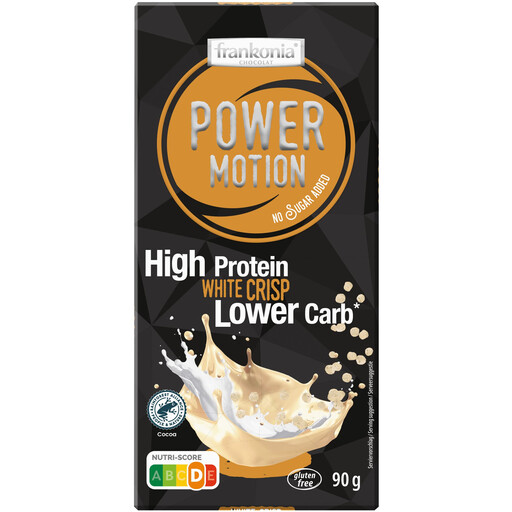
Frankonia Chocolat Power Motion White Crisp protein chocolate, 90 g
This chocolate is an alternative to a bar if you’re looking for a snack you can portion out and its ingredients are suitable for you.
The product information lists milk and soya, as well as possible other allergens, including wheat and various nuts. It also lists maltitol and warns of a possible laxative effect if consumed in excess. Check the current pack against your avoidance requirements.
View on Joybuy
 No image available
Corny Protein Crunchy Vanilla & White Choc, 12 × 45 g
The 45 g bars work well as individual snacks, provided the ingredients on the specific pack suit your avoidance requirements.
The product information lists milk, soya, hazelnuts and cereals containing gluten, among other ingredients, as well as the sweeteners maltitol and sucralose. Check the full allergen information on the current pack.
View on Joybuy
 No image available
Barebells Vegan Protein Bar Peanut Caramel, 12 × 55 g
These bars are labelled vegan and designed as individual portions; vegan does not mean free from the allergens that matter to you.
The product information lists wheat, soya and peanuts as ingredients, along with maltitol and maltitol syrup. Check the packaging to assess possible other allergens and confirm the current recipe.
View on Joybuy
 No image available
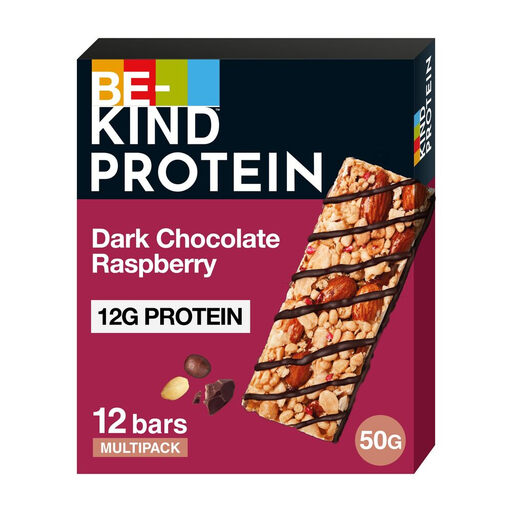
BE-KIND Protein Dark Chocolate Raspberry, 12 × 50 g
The 50 g bars make a substantial individual portion for when you’re out and about, provided the allergen information on the current pack meets your needs.
The product information lists peanuts, soya and almonds; milk and other nuts are listed as possible traces. Check the ingredients and precautionary allergen information before choosing a specific pack.
View on Joybuy
Frequently asked questions
How can I spot relevant allergens in a protein bar?
Check the highlighted allergens in the ingredients list, as well as any precautionary ‘may contain’ information on the current pack. The European Commission explains that allergens which must be declared in the EU need to be identified when used as ingredients; precautionary information, on the other hand, relates to possible unintended cross-contact.
Is a gluten-free protein bar suitable for people with other food allergies?
Not automatically: the ‘gluten-free’ label does not answer questions about milk, soya, peanuts or nuts. For example, the gluten-free Seitenbacher bar described by REWE contains milk and almonds, and lists possible traces of peanuts, soya and other nuts.
What does ‘High Protein’ tell me about whether a bar is suitable?
A protein claim alone tells you neither whether the bar is suitable for you as someone with an allergy nor whether you need an additional protein snack. Once you’ve checked for allergens, compare the protein content with the actual portion size; the Verbraucherzentrale says additional protein products are often unnecessary for general dietary needs.
Why are sweeteners worth checking in protein bars?
They may affect your personal tolerance and the serving advice. The Verbraucherzentrale notes that sugar substitutes can have a laxative effect when consumed in large quantities, so check the ingredients list and guidance for the specific variety.
What should I do if the online information differs from the packaging?
Base your choice on the information on the current pack, not just the online listing. EDEKA specifically notes that its product information may differ from the packaging.


