Which bar might suit you?
The occasion matters more than a prominent protein figure on the front of the pack. When studying, you need a snack that suits you; on training days, you may also want to consider the protein per portion.
Students who train
If you’re planning to take a bar with you and occasionally have one after exercise, compare the protein and energy per bar rather than looking only at the figures per 100 g. A bar is a snack, not a substitute for a proper meal. The German Nutrition Society says that healthy adults doing recreational sport do not have an increased protein requirement.
Students who need to check ingredients carefully
If you have allergies, follow a particular diet or are sensitive to sweeteners, the exact recipe matters. The bars described here differ in their protein sources, allergens and warnings about possible traces. Different varieties within the same product range can also vary.
Students stocking up on snacks
If you’re setting aside bars for several study or training days, check the pack size, portioning and storage instructions. Before buying in larger quantities, make sure the variety you’ve chosen meets your ingredient requirements and check how it should be stored.
What should you look for when buying?
First, decide what you want the bar for. Then compare the figures per portion and, if you have allergies or ingredient preferences, check the current packaging. Labels such as cereal bar, protein bar and snack bar alone won’t answer these questions.
| What to consider |
What to check |
Who it matters to |
| Protein per portion |
Compare the protein and energy per bar; don’t confuse figures per 100 g with those for a single portion. |
After training, I want to know exactly how much protein is in an individual bar, rather than being swayed by the large percentage on the pack. Around 40% of consumers prioritise sports use and the protein per portion when making this choice. |
| Ingredients and suitability |
Check the protein source, highlighted allergens, possible traces and sweeteners on the current packaging. |
If I need to avoid certain ingredients, finding a suitable recipe matters more than the amount of protein. For around 30% of consumers, checking the ingredients comes first when choosing a bar. |
| Stocking up and portion size |
Check the number and weight of the bars, as well as the storage and consumption instructions for the variety you’ve chosen. |
I want to have bars ready for several study days, with portions and storage requirements that fit my routine. Around 30% of consumers place the greatest importance on having a supply to hand. |
Two specific products show how much the protein content per portion can vary. According to REWE, one portion of Corny Nuts & Protein Vanilla contains 9.8 g of protein; REWE lists 13.5 g of protein per 45-g bar for the REWE PWR Protein Bar Peanut. That doesn’t make the products directly interchangeable: compare the type of bar, ingredients and portion size that suits you, too.
Key brands to consider
These examples show how specific bars and product ranges differ. Information about one product does not necessarily apply to other varieties from the same brand.
Corny
Corny Nuts & Protein Vanilla is a nutty, grain-based cereal bar for anyone who prefers this type of bar as a portioned snack.
- According to REWE, one portion contains 9.8 g of protein and 4.6 g of fibre.
- The product contains ingredients including peanuts, soya, cashews, milk ingredients and maltitol. Check the packaging if you need to avoid any of these.
REWE PWR
The Protein Bar Peanut is an example of a bar with a stated protein content per individual portion.
- REWE lists 13.5 g of protein, 7.7 g of fibre and 141 kcal per 45-g bar.
- The Peanut variety contains ingredients including milk protein, soya protein, peanuts, sesame and sweeteners.
ALDI SPORTS
ALDI SÜD lists several types of protein bar in its range; the high-protein product featured here is sold in a multipack.
- For the product featured here, ALDI SÜD lists a pack of 3 × 45 g, with 36 g of protein and 14 g of fibre per 100 g.
- ALDI SÜD notes that products may vary by supplier, recommends eating one bar per day and warns of a possible laxative effect if eaten in excess.
MAX BALANCE
The products described by EDEKA include both a Stracciatella protein bar and a vegan variety with an almond biscuit flavour.
- EDEKA describes the vegan Almond Biscuit variety as containing a protein blend of pea, rapeseed and fava bean protein.
- The Stracciatella bar contains milk, collagen and soya ingredients. The vegan variety contains almonds and carries additional traces warnings; check the information for the variety you choose.
Protein bars for on-the-go snacking and training days
This Joybuy selection includes portioned protein and snack bars for study breaks, eating on the go and training days. It doesn’t make the choice for you between a nutty, grain-based cereal bar and a bar with a higher protein content—or whether you want a bar at all. Check the current packaging details for each product.
 Image unavailable
Barebells Vegan Protein Bar Peanut Caramel, 12 × 55 g
An option if you’re looking for a portioned protein bar to take with you or enjoy on a training day. If you follow a plant-based diet, check the current ingredients list; if you have allergies, pay particular attention to the information about peanuts, wheat and soya. Also check the sweetener guidance.
Pack size: 12 bars, 55 g each.
View at Joybuy
 Image unavailable
Barebells Soft Protein Bar Salted Peanut Caramel, 12 × 55 g
A portioned protein bar for anyone planning a snack around a training day. Before buying, read the information about milk, peanuts, soya and possible traces, as well as the guidance on consuming sweeteners.
Pack size: 12 bars, 55 g each.
View at Joybuy
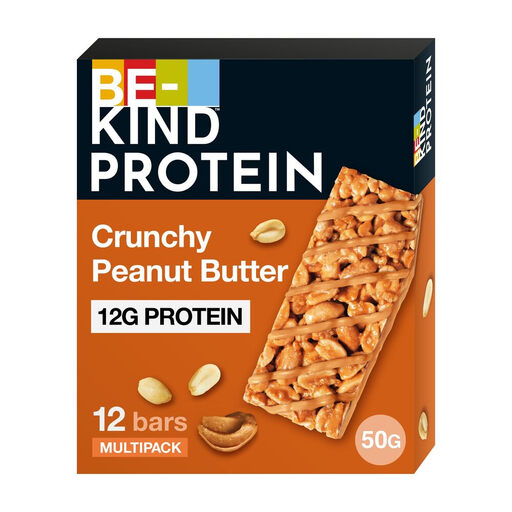 Image unavailable
BE-KIND Protein Crunchy Peanut Butter, 12 × 50 g
If you prefer a nutty snack bar for study breaks, the size of each portion is particularly relevant to your snacking needs. If you have allergies, check the current information about peanuts, milk, soya and other possible nuts.
Pack size: 12 bars, 50 g each.
View at Joybuy
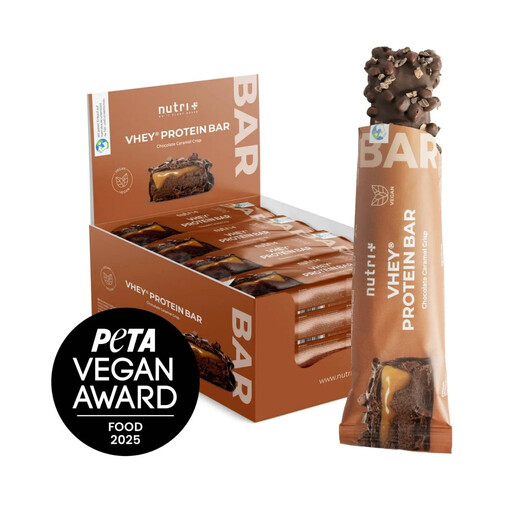 Image unavailable
Nutri+ Whey Protein Bar Chocolate Caramel Crisp, 12 × 50 g
A portioned bar for a planned snack during a study or training day. If the protein source or a vegan diet matters to you, check the ingredients on the current packaging carefully: the name “Whey” and the available information about plant proteins don’t provide a clear picture. Compare the nutritional information per bar, too.
Pack size: 12 bars, 50 g each.
View at Joybuy
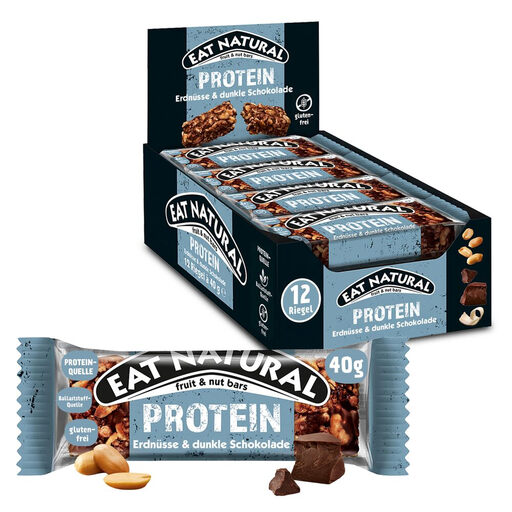 Image unavailable
Eat Natural Protein Bars Peanuts & Dark Chocolate, 12 × 40 g
A nutty bar for eating on the go, and for anyone comparing smaller individual portions. If protein and energy per snack matter to you, check the information for a 40-g bar. If you have allergies, also read the warnings about peanuts, soya and possible traces.
Pack size: 12 bars, 40 g each.
View at Joybuy
Frequently asked questions
Can a protein bar help you concentrate before an exam?
Don’t choose a protein bar expecting it to improve your concentration: there’s no basis here for that kind of effect while studying. Whether it works as a snack instead depends on your usual diet, the occasion and its ingredients. The German Nutrition Society says that healthy adults doing recreational sport do not have an increased protein requirement.
How can I tell if a bar is suitable for me if I have an allergy?
Always check the ingredients and allergen information on the current packaging for the specific variety. The Federal Ministry of Agriculture, Food and Regional Identity explains the labelling requirements for the 14 most common allergens. Also check product-specific warnings about traces, and don’t rely on an ingredients list you read previously if you’re switching varieties.
What does a warning about a possible laxative effect mean?
For bars containing certain sugar alcohols, this warning is relevant to how much you eat. The consumer advice centre warns that large quantities may have a laxative effect, so follow the instructions on the relevant packaging—particularly if you’re planning to have several bars during a study day.
Can I keep protein bars in my rucksack for several study days?
Follow the storage instructions for the product in question. For the REWE PWR Protein Bar Peanut, REWE recommends storing it in a cool, dry place. Before stocking up, check the instructions on the bars you’re actually planning to buy.


