People with coeliac disease
For supper, you need bread that is clearly labelled gluten-free. Traditional rye-based pumpernickel isn’t a suitable choice.


Traditional pumpernickel isn’t suitable for a gluten-free supper: as the Federal Centre for Nutrition explains, it is traditionally made from rye. If you need to choose strictly gluten-free foods, check the label on the specific pack. For a darker style of bread, look for appropriately labelled wholemeal or multigrain loaves, while a bread mix will need time to prepare.
For supper, you need bread that is clearly labelled gluten-free. Traditional rye-based pumpernickel isn’t a suitable choice.
If you like pumpernickel’s character, compare the type of bread and ingredients when looking at gluten-free alternatives. A dark wholemeal or multigrain loaf may give you the kind of bread you’re after, but it won’t taste the same as rye pumpernickel.
It makes a difference whether the bread is ready to eat, needs to be ordered fresh or has to be made from a bread mix. Plan storage and preparation around your supper.
If you need strictly gluten-free bread, check the labelling first. Then consider the type of bread and how much effort is involved: ready-sliced bread is easier to plan for than freshly ordered bread or a bread mix.
| What to consider | What to check when buying | Who it matters to |
|---|---|---|
| Gluten-free labelling | Look for ‘gluten-free’ on the current pack, and read the ingredients and allergen information. Rye or barley malt in traditional pumpernickel is not a gluten-free base. | If I’m choosing bread for supper because of coeliac disease, clear labelling matters more than the colour or familiar name of the bread. This is the top priority for around 50% of consumers. |
| Type of bread and flavour | Compare wholemeal, multigrain and white breads by their ingredients and type. A dark colour alone tells you nothing about the flavour or whether it is gluten-free. | I want a hearty loaf rather than a white option, but accept that a gluten-free alternative will taste different from rye pumpernickel. This is the main consideration for around 30% of consumers. |
| Storage and preparation | Check the pack size and storage instructions. If you’re buying fresh bread, plan your order; for bread mixes, allow for the extra ingredients and baking time. | If I want supper on the table without baking, I need ready-made bread. If I want to bake it myself, I can plan for the extra effort. Around 20% of consumers put this practical consideration first. |
The colour and the name pumpernickel are no substitute for gluten-free labelling. The Federal Centre for Nutrition describes rye as the traditional base, and the pumpernickel products listed by REWE and EDEKA include rye in their ingredients.
If you need gluten-free bread, check the labelling, ingredients and allergen information on the pack you’re actually buying.
Gluten-free breads may be made with ingredients other than rye. Schär lists rice, millet and buckwheat among the ingredients in its wholemeal bread, so you shouldn’t expect it to taste exactly like pumpernickel.
Decide whether you’re looking for a dark style of bread or a particular texture, then compare appropriately labelled types of bread.
A bread mix isn’t a ready-made loaf. Fresh bread from a specialist bakery also needs to be available in time for your planned supper.
If supper is unplanned, a ready-made loaf that has been stored appropriately is a better choice. Plan ahead if you want to bake your own or place an order.
Baking takes time, and you’ll also need to provide any extra ingredients required for the specific mix.
Packaged, gluten-free sliced breads for sandwiches and open sandwiches at supper.
Specialist bakery offering gluten-free breads, including brown and dark varieties.
Gluten-free bread mixes for baking your own bread to have with supper.
Traditional pumpernickel to compare with, if you don’t need to choose gluten-free bread.
Rye-based pumpernickel to compare with when choosing gluten-free bread.
This selection includes crispbread, bread rolls and a bread mix labelled gluten-free. They offer different ways to enjoy supper, but none is specifically proven to be a substitute for rye pumpernickel. If you need strictly gluten-free bread, always check the current labelling on the pack.
 No image available
An option if you’d like to top gluten-free-labelled dark crispbread for supper. Crispbread is a different type of bread from moist pumpernickel, so check the labelling and ingredients on the current pack.
 No image available
For a supper with toppings where gluten-free-labelled crispbread will do and you’re not looking for the dark character of pumpernickel. Compare the ingredients and storage instructions on the pack before choosing.
 No image available
A bread roll option for when you don’t need dark slices of bread with supper. Check the preparation instructions before use, and read the ingredients and allergen information on the pack before buying.
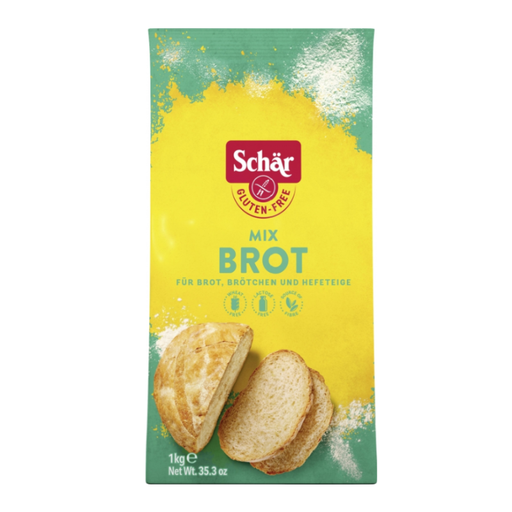 No image available
For a planned supper when you’d like to bake your own bread. This mix isn’t ready to eat, so check the pack for any extra ingredients you’ll need and the preparation instructions. The product name doesn’t suggest that it will make a dark pumpernickel-style loaf.
No. According to the Federal Centre for Nutrition, traditional pumpernickel is made with rye. The product information for the pumpernickel listed by REWE and EDEKA also mentions rye. So if you need a gluten-free supper, look for an alternative that is clearly labelled gluten-free.
Look for ‘gluten-free’ on the specific pack, and also read the ingredients and allergen information. The European Commission explains that EU rules govern the use of the term ‘gluten-free’. A dark appearance or the name ‘wholemeal bread’ is no substitute for this labelling.
A dark wholemeal or multigrain bread labelled gluten-free is a good place to start if you’re looking for a hearty loaf. Still, compare the ingredients and don’t expect the same rye flavour: Schär lists rice, millet and buckwheat among the ingredients in its wholemeal bread.
Follow the storage instructions for the product. Schär recommends resealing an opened pack of Meisterbäckers Classic and eating the bread within a few days or freezing it. Don’t assume the same instructions apply to other breads without checking.
No. A bread mix isn’t ready to eat straight away, and it won’t automatically make dark bread like pumpernickel. According to the manufacturer, Hammermühle’s gluten-free white bread mix also needs yeast, water and oil. Check the preparation instructions for any other mix you use.